ablation for afib
Could AFib Ablation Be Right for You? A Guide to Your Next Conversation

Could AFib ablation be right for you?
Catheter ablation may be worth discussing if you have atrial fibrillation, especially when the conversation is about long-term rhythm control.
Atrial fibrillation, often called AFib, is an irregular or quivering heartbeat that can increase the risk of blood clots, stroke, and heart failure. Catheter ablation is a procedure that uses thin tubes to create small scars that block faulty electrical signals in the heart. The treatment can be a meaningful option to discuss, but it does not promise permanent freedom from AFib.
Your next step is usually a prepared conversation, not a decision made from a single number. The guide covers how ablation works, compares it with antiarrhythmic medication, and lists questions about candidacy and follow-up.
The central questions are straightforward:
- What type of AFib do you have, and what treatment goal are you discussing?
- What could ablation change, and what would it not guarantee?
- How does the procedure compare with antiarrhythmic medication for your circumstances?
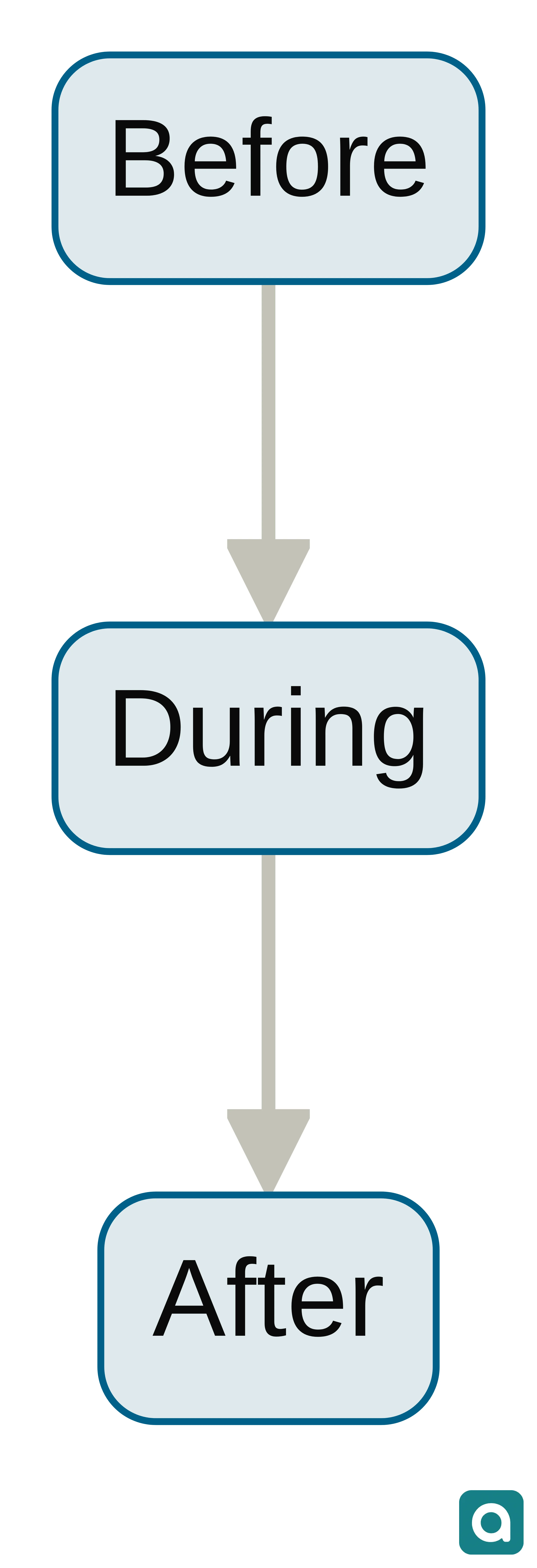
- What will happen before, during, and after the procedure?
- What follow-up plan will help you understand whether treatment is working?
A treatment discussion becomes more useful when you bring your own rhythm history, symptoms, medicines, and prior test information. Those details help the clinician explain which parts of the published results may apply to the conversation and which may not.
What does catheter ablation do?
Catheter ablation treats an irregular heart rhythm by changing small areas of heart tissue that send faulty electrical signals. A clinician guides thin catheters toward the heart and uses energy to create tiny scars. Those scars can block signals that contribute to irregular heartbeats.
The exact approach belongs in your individual consultation. A name such as pulmonary vein isolation describes the treatment method; it does not, by itself, establish that the procedure is appropriate for you.
The procedure uses catheters and commonly involves small punctures in the groin through which wires are passed toward the heart. A hospital discharge guide says temporary groin discomfort or bruising can occur afterward.
The purpose is rhythm control: reducing the electrical activity that can sustain AFib. The purpose is not to make every heartbeat immediately predictable, and the procedure does not remove the need for a follow-up plan. Ask how the clinician will judge the result, which symptoms should prompt a call, and which medicines or other treatments remain part of your care.
Pulmonary vein isolation describes where the treatment is directed, while catheter ablation describes how energy is delivered through thin tubes. Those terms explain the procedure without answering every practical question about your care.
Use the explanation as a starting point. Ask what the planned procedure is intended to change, whether pulmonary vein isolation is part of the plan, and how the clinician will measure the result. A clear explanation should also cover what the procedure cannot guarantee.
Overview
AFib ablation is a rhythm-control option that requires a shared evaluation. The clearest way to approach it is to separate the treatment question from the personal suitability question.
Use this four-part overview:
- Understand the rhythm pattern. The U.S. guideline specifically discusses ablation as a first-line option for selected people with paroxysmal AFib. A separate study described persistent AFib lasting more than seven days and less than one year, showing why the type and duration of AFib belong in the discussion.
- Define the goal. The goal may involve reducing recurrent AFib or symptoms, but a treatment result is not measured the same way for every person. Ask whether the clinician is discussing fewer episodes, fewer symptoms, less hospitalization, or another outcome.
- Compare the available paths. Catheter ablation and antiarrhythmic drugs are both rhythm-control approaches discussed in the clinical literature. Their potential benefits, burdens, and uncertainties are different.
- Plan the follow-up. Irregular rhythm episodes can occur during the first few weeks after ablation. One hospital’s discharge guidance says it usually waits at least three months before fully assessing effectiveness, so early symptoms do not automatically provide the final answer.
This overview gives you a framework for a consultation. Take the four questions to a clinician who can relate them to your rhythm history, previous treatment, and goals. Ask for the follow-up method in plain language before you agree to a procedure.
A useful consultation should leave you knowing three things: what result the treatment is intended to change, how that result will be measured, and what happens if AFib returns. If any of those answers are unclear, write the question down and ask it again.
A simple way to organize the conversation is to divide your notes into four headings:
- Rhythm: the AFib pattern and the episodes you have noticed.
- Goal: the change you hope treatment might make.
- Choice: ablation, antiarrhythmic medication, or continued discussion of the available paths.
- Follow-up: the timing, measurements, and response plan after treatment.
This four-part note is a conversation aid. It does not predict the result or determine which treatment fits you.
Why candidacy is a shared evaluation
Candidacy for AFib ablation depends on the situation being evaluated, not on the diagnosis name alone. We consider catheter ablation a first-line option for long-term rhythm control in appropriately selected AFib patients. The words selected and appropriately selected set a clear boundary: neither statement makes ablation the right treatment for every person with AFib.
Your consultation should connect the general evidence with your own history. A clinician may ask about the pattern of your AFib, how long episodes last, what you have already tried, what symptoms you experience, and what outcome matters to you. Those details belong in the discussion rather than on a checklist that you can use to approve yourself for treatment.
Bring these candidacy questions to the appointment:
- Is my AFib pattern paroxysmal, persistent, or another pattern?
- What makes ablation reasonable to discuss in my case?
- What treatment goal are we pursuing: fewer episodes, fewer symptoms, or another measurable outcome?
- Have my previous medicines changed the decision, and what would continuing them involve?
- Which health information or test results could change the plan?
- If we do not choose ablation now, what is the next rhythm-control option?
The published CABANA trial summary involved people who were taking an antiarrhythmic medication and were considered candidates for AF ablation. That detail shows why prior treatment may be part of the conversation, but it does not turn medication history into a universal eligibility rule.
AFib pattern is one reason published results need careful interpretation. The U.S. guideline discusses selected people with paroxysmal AFib, while one cited study examined persistent AFib lasting more than seven days and less than one year. Those are different groups and should not be treated as interchangeable.
Ask the clinician to name the AFib pattern being discussed and to explain whether the evidence being used describes people with that pattern. The question keeps a group result in its proper context.
A second cardiology opinion can be reasonable if you have palpitations, fainting spells, or an irregular heart rhythm. Use a second discussion to compare the proposed goal, alternatives, risks, and follow-up plan rather than simply asking for a yes-or-no answer.
What benefits can—and cannot—be expected
The potential benefit of catheter ablation is better rhythm control for some people, especially when the comparison is recurrent AFib or AFib-related care. A systematic review found that catheter ablation performed better than antiarrhythmic drugs for several outcomes, including symptomatic AF recurrence, AF-related hospitalization, and all-cause mortality, although the certainty varied.
These findings describe comparisons between treatment groups. They do not predict your personal result. A relative reduction is not the same as a guarantee that AFib will stop, and it does not tell you how your symptoms, follow-up needs, or other conditions will respond.
Ablation also has limits. The same systematic review found no important difference in quality of life between catheter ablation and antiarrhythmic drug treatment. A lower recurrence measure does not automatically translate into a different quality-of-life result for every person.
Early rhythm changes can add uncertainty. One hospital’s discharge guidance says irregular rhythm episodes can occur during the first few weeks and that it usually allows at least three months of healing before fully assessing effectiveness. Ask how early episodes will be interpreted and when your result will be reviewed.
Every treatment choice needs a discussion of burdens and adverse events. The systematic review considered serious adverse events that could be related to catheter ablation and side effects related to antiarrhythmic drugs. A discharge guide also describes small groin punctures, temporary bruising, and discomfort after ablation.
Ask for the procedure-specific risks that apply to you, how often they occur in the setting being considered, what warning signs require immediate help, and what follow-up is available. A general description of benefits cannot replace that conversation.
Separate the possible benefit from the treatment burden by asking four direct questions:
- Which outcome are we trying to improve?
- What result did the relevant study measure?
- What uncertainty remains for someone with my AFib pattern?
- What would the medication alternative involve instead?
The questions help you hear whether a quoted result concerns recurrence, hospitalization, mortality, quality of life, or another measure. Those outcomes are not interchangeable.
How recurrence changes the decision
Recurrent AFib after ablation does not have a single meaning or a single timetable. Irregular rhythm episodes may occur during the first few weeks, and one hospital’s guidance allows at least three months of healing before it fully assesses effectiveness. Ask when your follow-up assessment will occur before interpreting an early episode as treatment failure.
The procedure itself also does not use the immediate end of AFib as its only measure of success. In one cited study of persistent AFib lasting more than seven days and less than one year, AFib ended during the procedure in 30% of cases. The study said procedural termination was not the endpoint because AFib often ended before complete pulmonary vein isolation. That 30% figure describes that study group and that procedural observation; it is not a personal success rate.
Outcomes vary because the clinical question, AFib pattern, treatment comparison, and follow-up measure can vary. Evidence about selected people with paroxysmal AFib cannot be transferred automatically to every person with persistent AFib. A result reported as fewer recurrent episodes is also different from a result reported as quality of life or hospitalization.
Ask your clinician to name the outcome being measured and the time point for judging it. Useful questions include:
- What counts as recurrence in my follow-up plan?
- How will symptoms and rhythm recordings be considered together?
- If AFib returns, what options will we discuss?
- Would medication continue during part of the healing period or afterward?
A clear definition helps you understand what the procedure is intended to change and what it may not change.
A follow-up plan should distinguish an early rhythm episode from the later assessment of effectiveness. The hospital guidance describes a healing period of at least three months for its service, while the cited study shows that ending AFib during the procedure was not the final endpoint.
Ask for the exact review point used by the treating team. Ask what information you should record between the procedure and that review, and ask who should receive those updates. The timing and measurement should be stated before you rely on an early result.
How ablation compares with medication
| Question | Catheter ablation | Antiarrhythmic medication |
|---|---|---|
| What is the treatment? | A catheter procedure that creates small scars to block faulty electrical signals. | A medication-based rhythm-control approach. |
| What did the cited comparisons measure? | The cited comparisons included antiarrhythmic therapy as the comparison treatment. | |
| What other outcomes were reviewed? | A systematic review found ablation performed better for symptomatic AF recurrence, AF-related hospitalization, and all-cause mortality, with varying certainty. | The same review compared medication treatment with ablation for those outcomes. |
| What should you discuss about burdens? | The review considered serious adverse events that could be related to ablation, and the procedure can involve temporary groin discomfort or bruising. | The review considered side effects related to antiarrhythmic drugs. |
| What about quality of life? | The review found no important difference between the two treatments. | The review found no important difference in quality of life between the treatments. |
Use the comparison to ask better questions rather than to choose from a distance. Ask which outcome matters most in your case, what burden you would accept, how each option would be followed, and what would happen if AFib recurred. Ask for the absolute numbers and time frame that apply to the population being discussed; a relative result from a trial cannot provide your personal forecast.
One way to keep a comparison fair is to match like with like. First, check the group being studied: selected people with paroxysmal AFib aren’t automatically the same as people with persistent AFib. Next, check the endpoint. A reduction in recurrent AFib answers a different question from a change in quality of life or hospitalization. Then check when the result was measured. An early rhythm episode during healing can’t be read in the same way as a later review defined by the treating team. Finally, compare burdens, not only benefits: catheter ablation involves procedure-related risks and follow-up, while antiarrhythmic medication involves medication-related side effects. The cited review considered both kinds of burden, but it did not make either path right for every person.
If a clinician presents a percentage or relative result, ask four follow-up questions: Who was included? What exactly counted as recurrence or improvement? When was the outcome measured? What would the comparable burden be for the other option? If the answers are unclear, the number may still describe the study accurately, but it may not answer the decision you are trying to make. This approach turns evidence into a focused conversation without treating a group result as a forecast for your own care.
Medication remains part of the comparison even when ablation is being considered. Ask whether antiarrhythmic treatment has already been tried, what continuing it would mean, and which medication effects matter in your situation. Ask the same follow-up question for both paths: how will the treatment goal be measured, and what happens if the first plan does not meet it?
The review’s findings do not make ablation or medication universally preferable. They give you group-level outcomes to place beside your own goals and the clinician’s explanation.
What happens before, during, and after ablation?
Before ablation, the useful task is to understand the plan and give the clinician accurate information. Bring your AFib history, previous treatment details, current medication list, test results you have been given, and the questions you want answered. Ask which tests are needed, what the procedure is intended to change, how medicines will be handled, and who will explain the follow-up plan.
A consultation should end with a practical next step rather than a vague impression. After your consultation, we provide a written plan covering lifestyle recommendations, medications, testing, and referrals as needed. Ask for a written explanation of the plan in language you can use at home.
During catheter ablation, thin catheters are guided toward the heart. Energy creates small scars that block faulty electrical signals, and pulmonary vein isolation may be used for some cases of AFib. A hospital discharge guide says the catheters are passed through two or three small punctures near the groin in the described procedure.
Ask the clinician to explain the planned approach, the treatment setting, what you may feel, how long you will be observed, and who will contact you afterward. Do not assume that another person’s procedure details describe yours.
After the procedure, temporary groin discomfort or bruising can occur. The discharge guide advises keeping the wound clean and dry and says irregular rhythm episodes are common during the first few weeks after ablation. It describes follow-up and says its service usually allows at least three months of healing before fully assessing effectiveness.
Your discharge instructions should control your care because they reflect the procedure and setting you received. Ask who to call about rhythm changes, wound symptoms, medicine questions, and the date or timing of follow-up. If you are given instructions that differ from a general article, follow the instructions from your treating team.
The procedure discussion can be organized into three short stages:
- Before: confirm the planned approach, medication instructions, required testing, and contact for questions.
- During: ask where the catheters enter, how the electrical signals will be treated, and who is responsible for explaining the procedure.
- After: keep the written wound and rhythm instructions available, know who to contact, and confirm the follow-up timing.
This sequence is a preparation tool. Your treating team gives the instructions that apply to your procedure.
Groin bleeding deserves prompt attention. The discharge guidance says excessive swelling or bleeding from the puncture site should be reported to the care team; for heavy bleeding, it directs you to apply direct pressure and call an ambulance. Use the emergency instructions given by your own treating facility if they differ.
What should you ask before choosing a clinician?
Choosing a clinician for an AFib ablation discussion means asking how the person will evaluate your case, perform or arrange the procedure, and follow you afterward. You do not need to remember every technical term. You do need answers that connect the procedure to your goals.
Ask these questions:
- What experience do you have evaluating and treating AFib with catheter ablation?
- Are you trained in electrophysiology, or how is electrophysiology expertise involved in my care?
- What AFib patterns and patient circumstances are relevant to the approach you are discussing?
- Where would the procedure take place, and who would be responsible for the procedure and recovery instructions?
- What are the important risks for my situation, and what symptoms should prompt urgent help?
- How will you define recurrence and measure the result?
- How long will you follow me after the procedure?
- What is the plan if AFib returns during the healing period or later?
- How does ablation compare with antiarrhythmic medication for my treatment goal?
- What other rhythm-control choices should I understand before deciding?
Listen for specific answers rather than a broad promise. A useful explanation should identify the outcome being measured, the time frame for judging it, the burdens of the procedure, the burdens of medication, and the plan if the first approach does not meet the treatment goal. The cited evidence includes relative comparisons and group results; the clinician should explain how much, or how little, those results apply to your circumstances.
A practical way to compare consultations is to write down the answer under each heading:
- Reason: why ablation is being discussed now.
- Measure: what outcome will show whether it helped.
- Burden: what procedure-related or medication-related problems you should understand.
- Timing: when early rhythm changes will be reviewed.
- Plan B: what will happen if AFib returns or the first approach does not meet the goal.
The headings do not score a clinician or select treatment. They help you notice whether the conversation covers both the potential benefit and the limits.
How to prepare for an AFib consultation
Prepare for an AFib consultation by making the discussion easy to follow. A short written record can help you describe what has happened without relying on memory alone.
Bring or write down:
- When you first learned about AFib and what you were told about its pattern.
- What symptoms you notice, when they occur, and how long they last.
- Any rhythm recordings, test reports, or discharge papers you have received.
- Your current medicines, previous antiarrhythmic medicines, and questions about them.
- Other health information your clinician should consider.
- Your main treatment goal, such as fewer symptoms or fewer recurrent episodes.
- The questions you want answered about procedure setting, risks, follow-up, and alternatives.
Do not change or stop a medicine simply because you are considering ablation. Ask the clinician who manages that medicine what to do.
If you contact Amavita Heart and Vascular Health, the website form asks for your name, phone, email, insurance plan, preferred office, visit reason, preferred language, and notes. Use the notes field to say that you want to discuss AFib ablation and to list the questions that matter most to you.
We serve patients across Miami-Dade County from locations in Kendall and North Miami Beach. We provide care in English, Spanish, and Haitian Creole. Those details can help you organize a conversation that fits your location and language needs, but they do not establish that ablation is appropriate for you.
Use the callback form to make the first conversation more focused. In the visit-reason or notes fields, identify that you want to discuss AFib ablation, state the AFib pattern if a clinician has already named it, and list the questions you want answered about alternatives, risks, the procedure setting, or follow-up. Include the preferred office and preferred language so the request carries the practical details you want to share. If you have records or medication questions, note that you want to discuss them rather than changing treatment on your own.
A callback request is a way to begin contact; it does not reserve an appointment time. It also should not be used instead of emergency care. If symptoms could represent a stroke, heavy bleeding after a procedure, or another medical emergency, follow the emergency pathway described earlier. For a nonurgent request, keep your notes and medication list available so the eventual conversation can focus on whether an individualized evaluation is appropriate and what information the clinician needs next.
A useful consultation note can fit on one page. Put your AFib pattern and recent episodes at the top, your medicines and previous treatment next, and your questions about recurrence, risks, and follow-up at the bottom. Leave space to write the clinician’s answers.
Include the proposed review point, because one hospital’s guidance allows at least three months of healing before fully assessing effectiveness. Include the definition of recurrence as well. Those two details make later conversations easier to follow.
When should you seek urgent care?
Urgent symptoms should be handled through emergency care, not a routine callback request. AFib can increase the risk of blood clots and stroke, so if you think you may be having a stroke or another medical emergency, seek emergency help immediately.
After ablation, heavy bleeding from a groin puncture is also an emergency concern. The discharge guidance directs you to apply direct pressure and call an ambulance for heavy bleeding. Excessive swelling or bleeding should be reported to the treating care team according to your discharge instructions.
Do not wait for a consultation response when symptoms feel life-threatening or could represent a stroke. Use the emergency pathway in your location.
A routine consultation is appropriate for questions about candidacy, treatment comparisons, procedure planning, or follow-up when you are not experiencing an emergency. Write down what happened, when it happened, and what instructions you were given so the clinician can address the question clearly.
If you have already had ablation, keep the treating facility’s discharge instructions close by. Those instructions identify the contact pathway for wound concerns and rhythm questions in the setting where your procedure took place.
The practical boundary is simple: use routine contact for questions, and use emergency care for possible stroke, another medical emergency, or heavy bleeding after a procedure. A callback request is not a substitute for immediate help.
Key Highlights
Keep these points with your consultation questions:
- Catheter ablation uses thin catheters and small scars to block faulty electrical signals in the heart.
- The U.S. guideline describes ablation as a possible first-line option for selected people with paroxysmal AFib; that does not make it appropriate for everyone.
- Ablation may reduce recurrent AFib and some other outcomes compared with antiarrhythmic drugs, but the evidence has varying certainty and does not provide a personal guarantee.
- The cited review found no important difference in quality of life between ablation and antiarrhythmic drug treatment.
- Early irregular rhythm episodes can occur, and one hospital’s guidance allows at least three months before fully assessing effectiveness.
- Ask about procedure-specific risks, medication side effects, alternatives, the treatment setting, and the follow-up plan.
- Seek emergency help for possible stroke, another medical emergency, or heavy bleeding after a procedure rather than waiting for routine contact.
Use the highlights as a short appointment checklist:
- Name the AFib pattern being discussed.
- Name the treatment goal and the outcome that will measure it.
- Compare ablation with antiarrhythmic medication, including burdens and uncertainty.
- Write down the recovery instructions and follow-up timing.
- Keep emergency instructions separate from routine contact information.
The checklist helps you prepare. It does not replace the discussion that connects the general information with your circumstances.
What is the next step in Miami-Dade County?
The next step is a prepared evaluation that connects your AFib history with the potential benefits, limits, risks, alternatives, and follow-up of catheter ablation. A qualified clinician must decide whether the procedure is suitable for you; this guide cannot make that decision.
At Amavita Heart and Vascular Health, we provide care in English, Spanish, and Haitian Creole, serve patients across Miami-Dade County from Kendall and North Miami Beach, and provide a written plan after consultation covering lifestyle recommendations, medications, testing, and referrals as needed. Bring your symptom history, medication information, test records, and questions about recurrence and follow-up to the conversation.
If you are not facing an emergency, you can request a callback and include your preferred office, language, visit reason, and questions in the website form.
What should you know about AFib ablation?
What is catheter ablation for AFib?
Catheter ablation is a procedure that treats atrial fibrillation by using thin tubes to create small scars in the heart. These scars block faulty electrical signals that cause irregular heartbeats.
What should I expect during the catheter ablation procedure?
During catheter ablation, thin catheters are guided to the heart through small punctures in the groin. Energy is used to create scars that block abnormal signals. You may experience temporary groin discomfort or bruising afterward.
How long does recovery take after AFib ablation?
Recovery from AFib ablation can vary, but irregular rhythm episodes may occur in the first few weeks.
What questions should I ask my clinician before AFib ablation?
You should ask about the clinician’s experience with AFib ablation, the specific risks for your situation, how success will be measured, and what follow-up care will look like.
When should I seek emergency care after AFib ablation?
Seek emergency care if you experience heavy bleeding from the groin puncture site, signs of a stroke, or any other life-threatening symptoms. Do not wait for a routine consultation in these cases.
What are the potential benefits of catheter ablation for AFib?
Catheter ablation may reduce recurrent AFib and improve rhythm control compared to antiarrhythmic medications, but individual results can vary and are not guaranteed.
How can I prepare for a consultation about AFib ablation?
Prepare by bringing your AFib history, current medications, any test results, and a list of questions about the procedure, risks, and follow-up care.
Have questions about your heart or circulation?
Reading only goes so far. Leave your number and a care coordinator will call you back within one business day, or call us now.