

Recognizing the signs of atrial fibrillation (AFib) during exercise is crucial for elderly individuals. These symptoms can serve as vital indicators of heart health. Research shows that many older adults experience pronounced AFib symptoms while being active. Understanding these warning signs empowers individuals to take proactive steps in managing their well-being.
What happens when these seemingly minor symptoms - like a fluttering heartbeat or unexpected fatigue - are ignored? The stakes are high. Ignoring these signs can have significant implications for heart health. It’s essential for seniors to stay vigilant and informed.
In addition to this, being aware of your body’s signals can lead to timely interventions. If you notice any unusual symptoms, don’t hesitate to reach out for support. Remember, you’re not alone in this journey. There are resources and people ready to help you navigate your health with care and understanding.
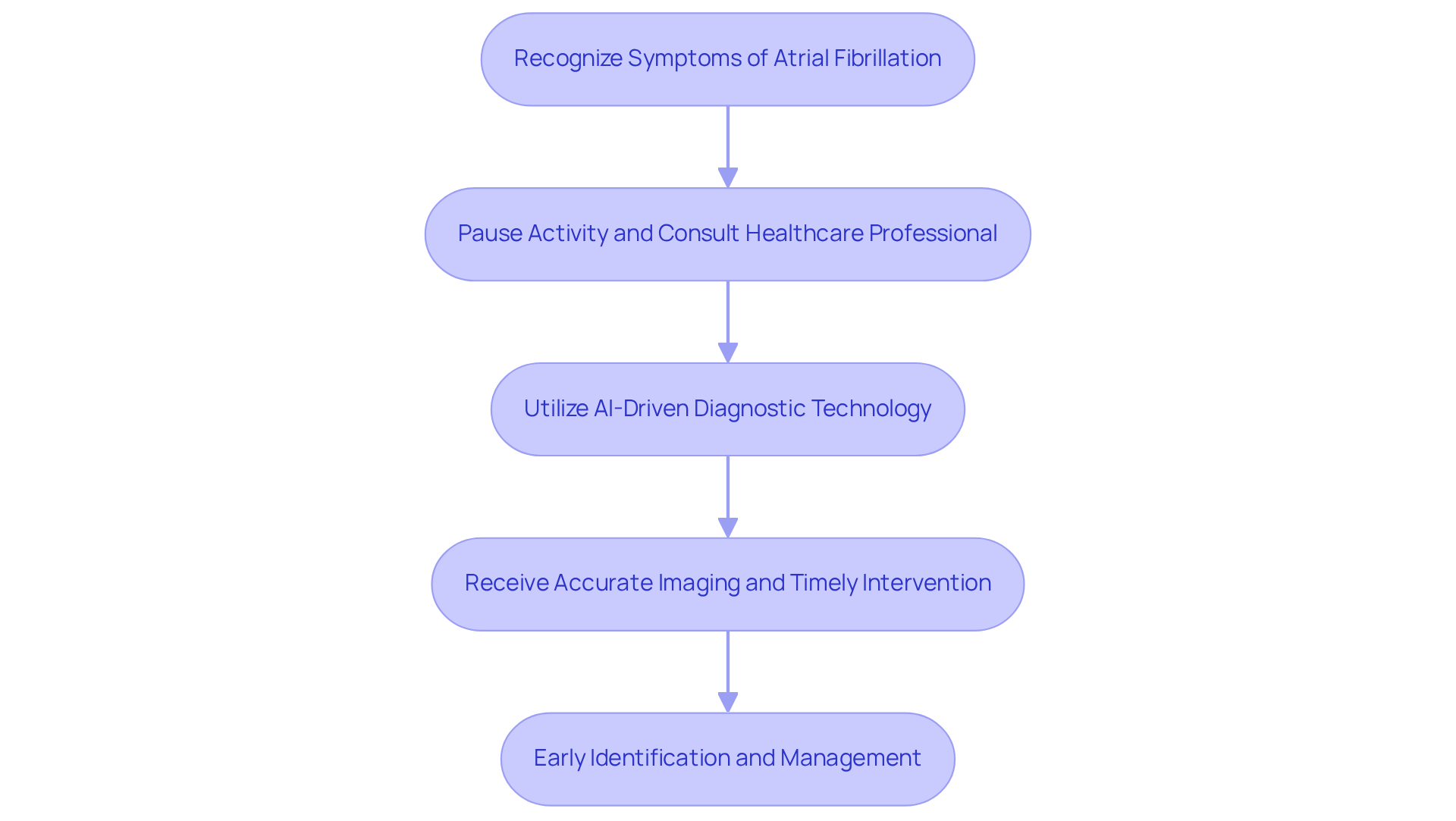
A fluttering or irregular heartbeat can feel like a racing or skipping sensation, and it’s a key sign of atrial fibrillation. For many elderly individuals, the symptoms of afib during exercise can become more pronounced. It’s important to keep a close eye on these heart rhythms. Recognizing this symptom is vital, as it may signal the onset of atrial fibrillation, prompting a necessary pause in activity and a conversation with a healthcare professional.
Have you noticed any symptoms of afib during exercise? Recent studies show that older adults often experience symptoms of afib during exercise, highlighting the need for awareness and proactive management. At Amavita Heart and Vascular Health, we understand how concerning this can be. Our experts utilize advanced AI-driven diagnostic technology through the CardioElite™ program, designed to facilitate early detection of atrial fibrillation and other heart conditions.
This innovative program combines portable, FDA-cleared AI ultrasound for bedside diagnostics with real-time guidance, ensuring accurate imaging and timely intervention. Cardiologists emphasize that early identification of atrial fibrillation can significantly alter the course of the condition. Recognizing and responding to these warning signs is crucial, and we’re here to support you every step of the way.
If you’re feeling uncertain or anxious about your heart health, please reach out. You’re not alone in this journey, and we’re dedicated to helping you navigate your concerns with care and compassion.
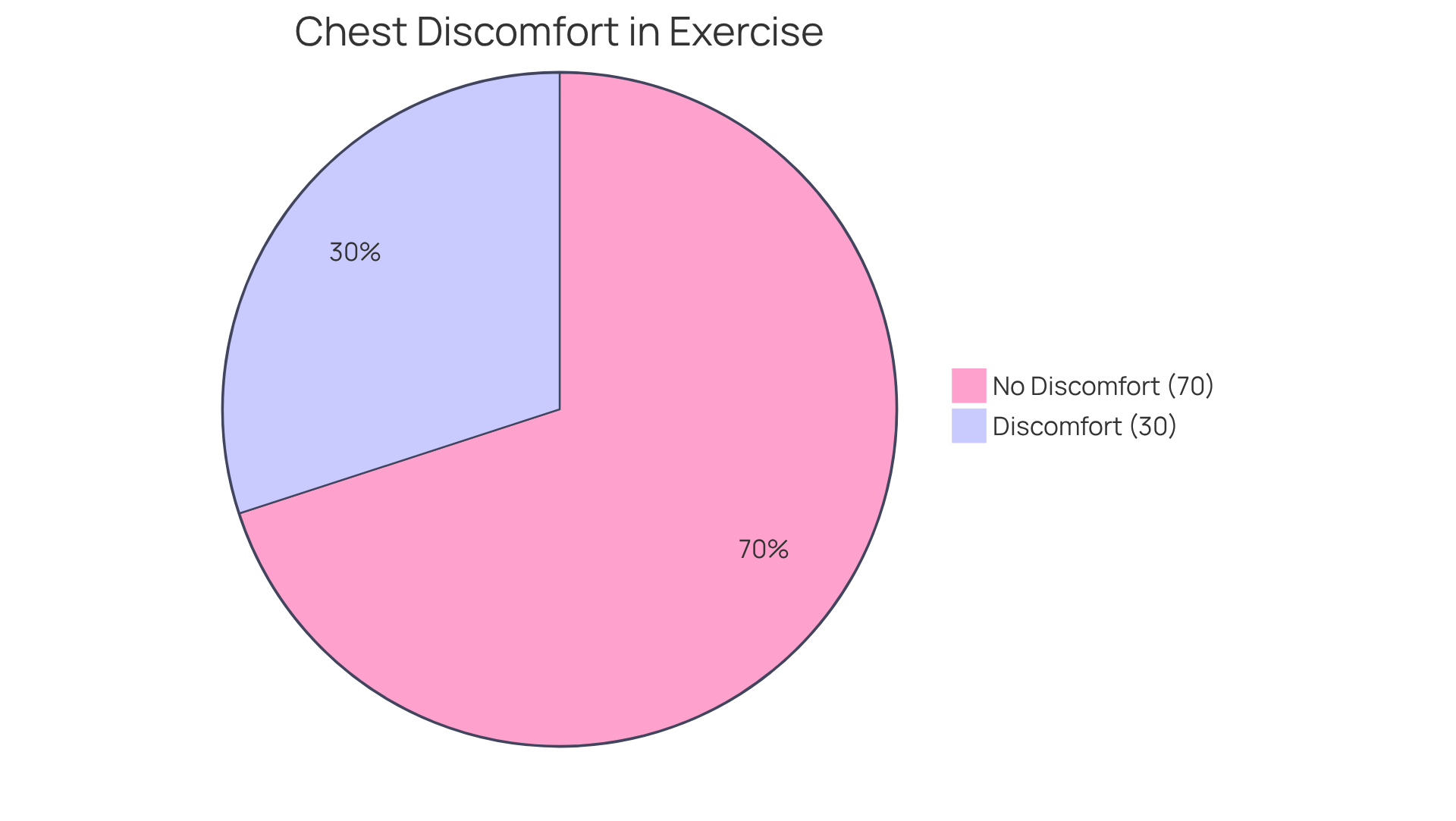
Experiencing symptoms of afib during exercise, such as chest discomfort or pain, can be a significant warning sign, especially for older individuals. It may indicate symptoms of afib during exercise or other serious heart conditions. Symptoms of afib during exercise, including chest pain often described as a heavy weight or tightness, should never be overlooked. Did you know that around 30% of older adults report feeling chest discomfort while being active? This statistic highlights the importance of being vigilant about your heart health.
If you ever feel any chest discomfort, it’s crucial to stop exercising right away and reach out to a healthcare professional. Early recognition and intervention can prevent severe complications and greatly improve your overall heart health. Heart health experts emphasize that understanding these signs is vital for older individuals. Taking prompt action can truly be life-saving.
Remember, you’re not alone in this. Many people share similar concerns, and seeking help is a strong and positive step towards ensuring your well-being. Your health matters, and there’s support available to help you navigate these challenges.
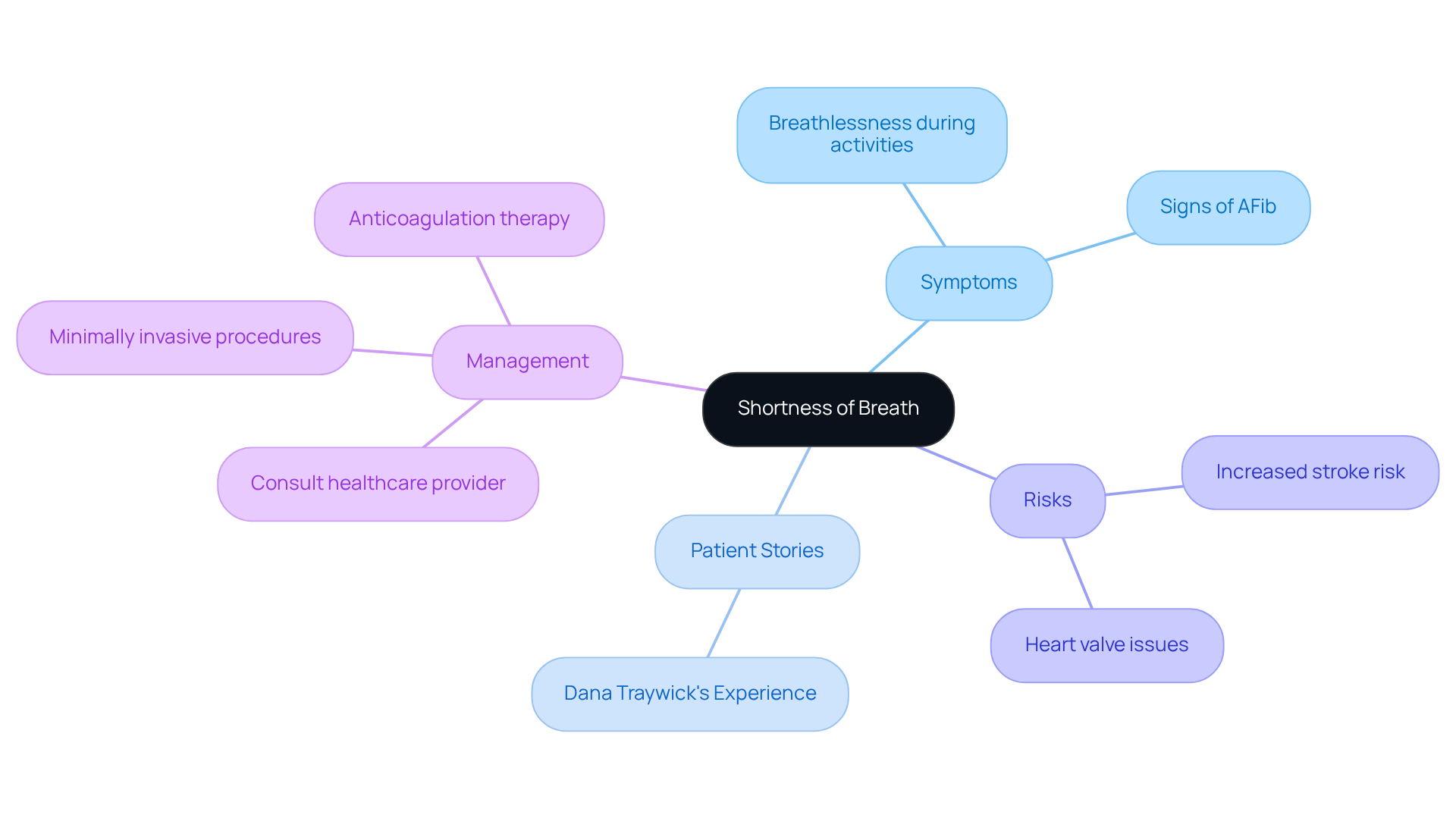
Experiencing symptoms of afib during exercise, like shortness of breath, can be a concerning sign, particularly for older adults. Many find themselves feeling breathless even during light activities, which may indicate that their heart is struggling to pump blood effectively. Did you know that research shows up to 50% of older individuals with atrial fibrillation (AFib) might not notice these signs? It’s crucial for patients to stay alert to any changes in their breathing patterns.
Take, for example, Dana Traywick, a retired schoolteacher who shared her journey. She often felt short of breath during her daily activities. After seeking help at Amavita, Dana found that her condition improved significantly, allowing her to return to her active lifestyle. The cardiologists at Amavita stress the importance of recognizing shortness of breath, as it can signal worsening heart function and increase the risk of complications, such as stroke. Heart valve issues, for instance, can lead to symptoms like breathlessness and fatigue, which are vital to address.
Experts highlight that AFib can increase stroke risk by five times, especially in older adults. If you notice symptoms of afib during exercise, it’s essential to stop immediately and consult your healthcare provider. At Amavita, Dr. Martinez-Clark specializes in minimally invasive procedures that can repair or replace damaged valves, significantly improving breathing and energy levels. Additionally, anticoagulation therapy plays a crucial role in preventing blood clots and strokes in older adults with AFib.
Understanding the connection between atrial fibrillation, heart valve disease, and shortness of breath is key to effective management and enhancing your overall quality of life. Remember, you’re not alone in this journey, and seeking help can lead to a healthier, more active life.
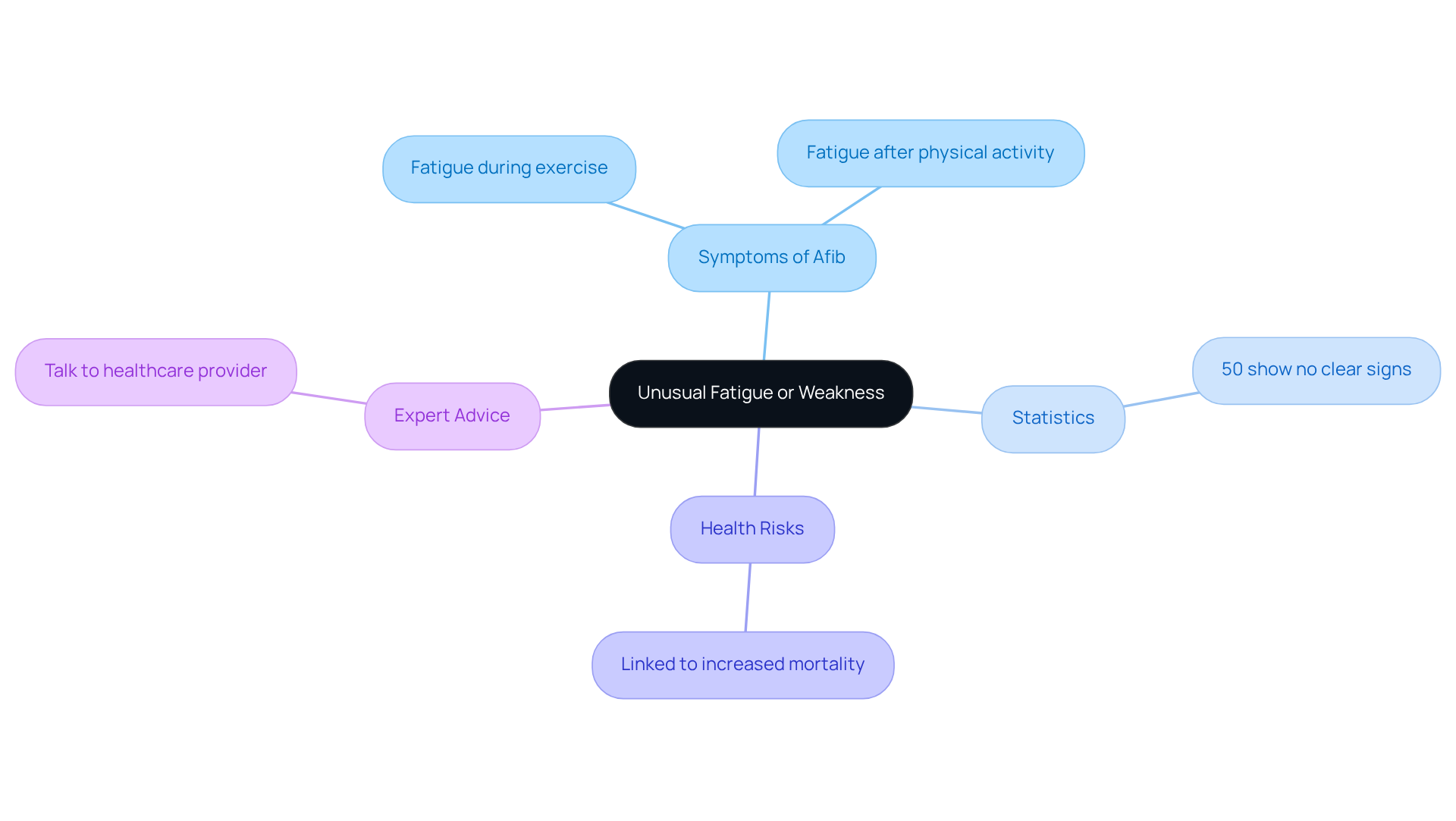
Many older individuals often find themselves feeling unusually tired or weak, which may be symptoms of afib during exercise, during or after physical activity. This fatigue can sometimes seem out of place, not matching the effort put in, and it’s easy to mistake it for just a part of aging. However, it’s important to recognize that this could be among the symptoms of afib during exercise.
Did you know that studies indicate up to 50% of elderly individuals with atrial fibrillation show no clear signs? This makes it crucial for you to pay close attention to your energy levels. Fatigue isn’t just a minor inconvenience; it has been linked to increased mortality and can serve as an early warning sign of declining health.
Geriatric experts emphasize that recognizing fatigue as a significant indicator can aid in the early detection and management of symptoms of afib during exercise. If you notice any significant changes in your energy levels, please don’t hesitate to talk to your healthcare provider. This could point to an underlying rhythm issue that deserves attention. Remember, your health matters, and reaching out for support is a vital step towards ensuring your well-being.
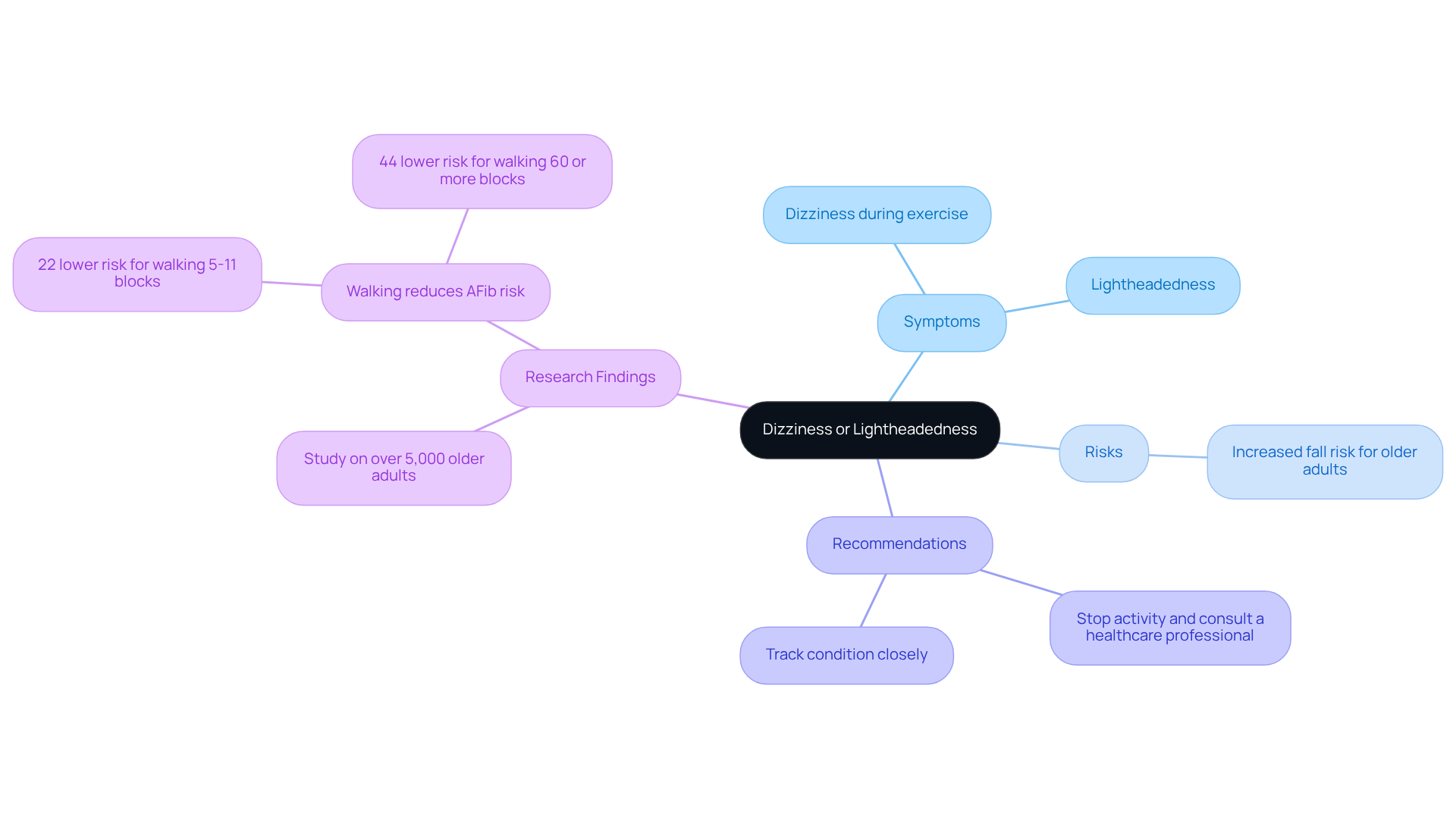
Experiencing symptoms of afib during exercise, like dizziness or lightheadedness, can be concerning, especially for those with atrial fibrillation (AFib). This symptom often signals that the heart isn’t pumping effectively, leading to insufficient blood flow to the brain. For older adults, feeling dizzy while being active is particularly alarming, as it can increase the risk of falls and serious injuries.
It's crucial to recognize this symptom. If you or a loved one feels dizzy, it’s important to stop the activity right away and consult a healthcare professional. Research shows that lightheadedness is a common experience among older adults with AFib, which underscores the importance of being aware of the symptoms of afib during exercise and managing them proactively.
For instance, a study involving over 5,000 older adults revealed that those who walked regularly saw a significant reduction in their AFib risk. However, many still reported experiencing symptoms of afib during exercise. This highlights the importance of tracking your condition closely and maintaining open communication with your healthcare team.
Remember, you’re not alone in this. By staying informed and seeking support, you can ensure safer exercise practices and better manage your health.
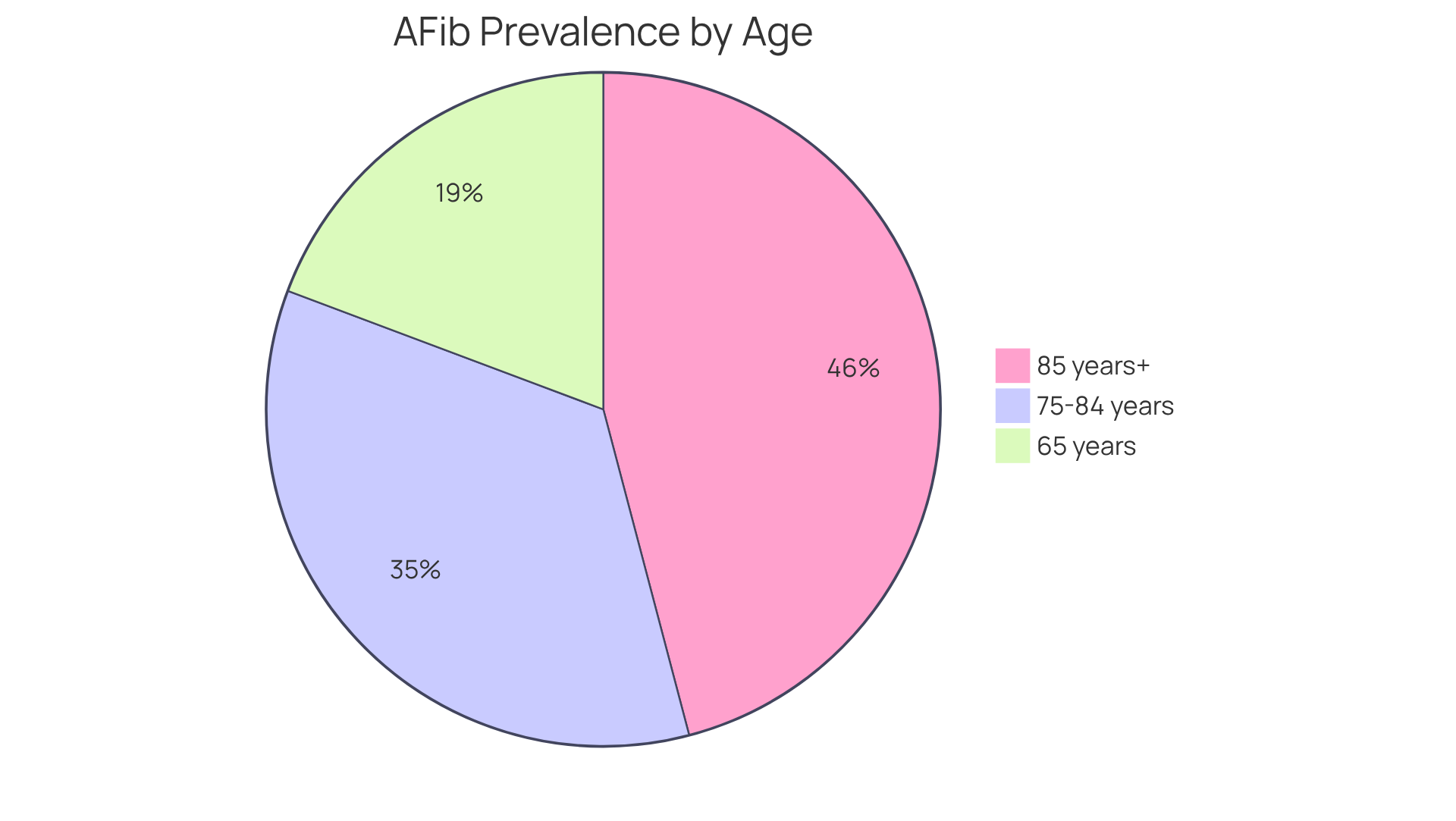
Palpitations or a racing heart can be alarming symptoms of afib during exercise for elderly patients, particularly when engaging in physical activity. These sensations, often felt as a pounding or fluttering in the chest, may indicate underlying cardiac issues like atrial fibrillation (AFib). Did you know that recent studies show AF occurs in:
This highlights the importance of recognizing these symptoms.
If you or a loved one experiences palpitations, it’s crucial to stop the activity immediately and consult a healthcare provider. Prof. Małgorzata Kurpesa, MD, PhD, emphasizes, "Conduction disturbances in individuals with frailty syndrome require prompt diagnosis and treatment because they are life-threatening." At Amavita Heart and Vascular Health, our specialists are here to help. We utilize advanced diagnostic imaging and the innovative AI-powered CardioElite™ program to effectively identify and manage these conditions.
Symptoms of afib during exercise may include:
Remember, maintaining good physical fitness is essential. Regular exercise can help prevent arrhythmias and enhance overall cardiovascular health. Understanding these indicators is crucial for ensuring proper management of potential arrhythmias. Our minimally invasive therapies are designed to help you resume your daily activities with confidence. You’re not alone in this journey; we’re here to support you every step of the way.
Excessive sweating during exercise can be one of the symptoms of afib during exercise, as our bodies may react to irregular heart rhythms with increased perspiration. For elderly patients, noticing unusual sweating-especially when it is accompanied by symptoms of afib during exercise, such as palpitations or shortness of breath-is crucial. Recent studies show that many older adults experience symptoms of afib during exercise, highlighting the need for awareness.
Have you ever felt a sudden increase in sweating while exercising? It’s important to listen to your body. If you notice unusual sweating, it’s wise to pause your activity and reach out to a healthcare professional. Cardiologists stress the significance of this response, as it can lead to timely diagnosis and management of atrial fibrillation.
Real-life stories reveal that some older adults have experienced notable symptoms of afib during exercise, such as sweating episodes, prompting them to seek medical evaluation. This proactive approach can make a difference in managing their health. Remember, you’re not alone in this-support is available, and taking action can lead to better health outcomes.
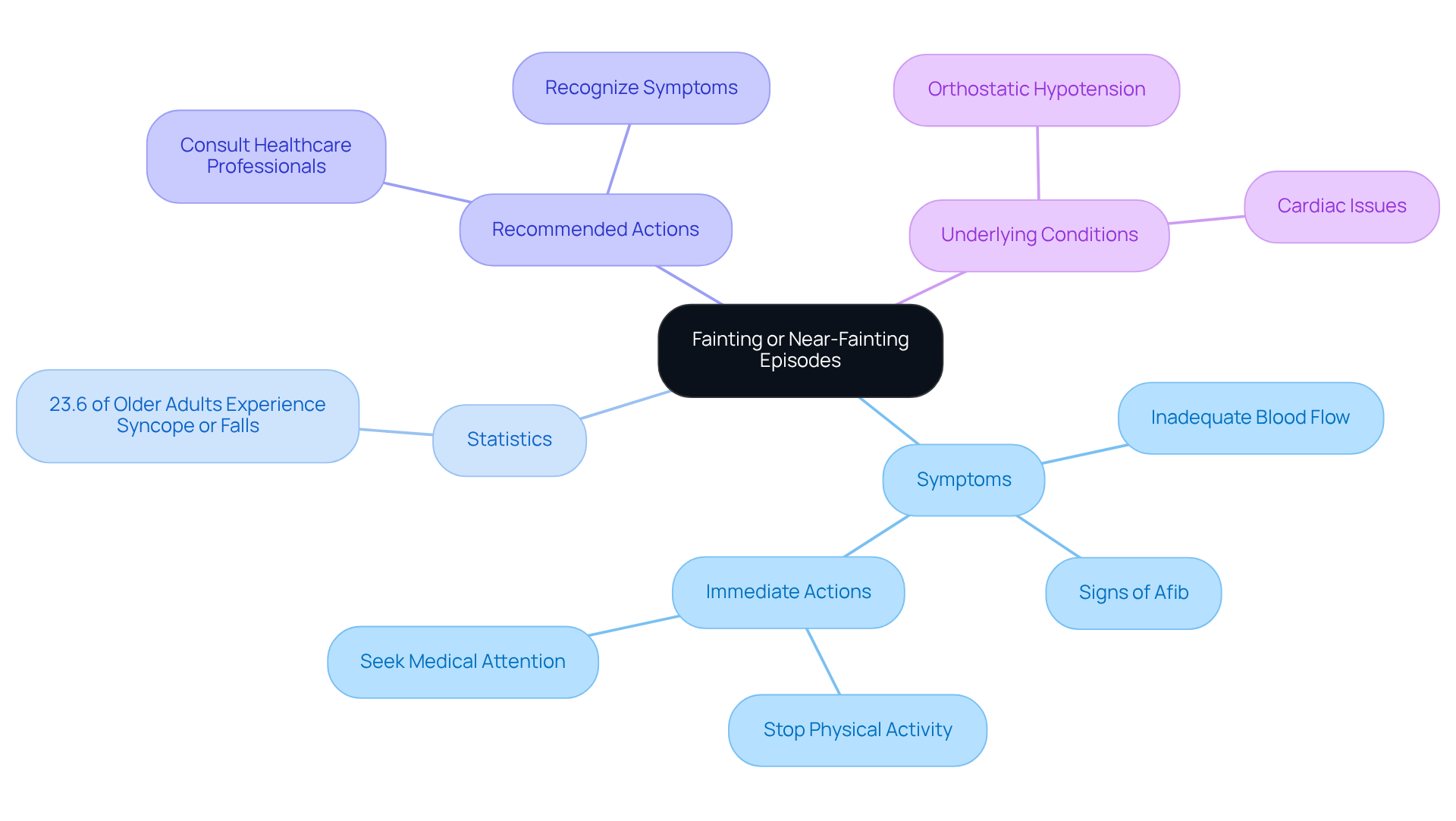
Fainting or near-fainting episodes during exercise can indicate symptoms of afib during exercise, which is particularly concerning for elderly patients. These episodes may signal inadequate blood flow to the brain and can be considered as symptoms of afib during exercise. It’s crucial for seniors to recognize these signs and stop all physical activity immediately if they occur. Seeking prompt medical attention can significantly reduce the risk of serious complications.
Did you know that nearly 23.6% of older adults experience syncope or falls? This statistic highlights the prevalence of these alarming symptoms in this demographic. Heart specialists emphasize that understanding the triggers and the symptoms of afib during exercise is vital for effective management. For instance, elderly individuals may faint during physical exertion, especially if they have underlying conditions like orthostatic hypotension.
Identifying these symptoms early can lead to prompt interventions, ultimately enhancing outcomes and quality of life. Remember, you’re not alone in this. If you or a loved one experiences these symptoms, don’t hesitate to reach out for support. Your health and well-being are important, and there are caring professionals ready to help.
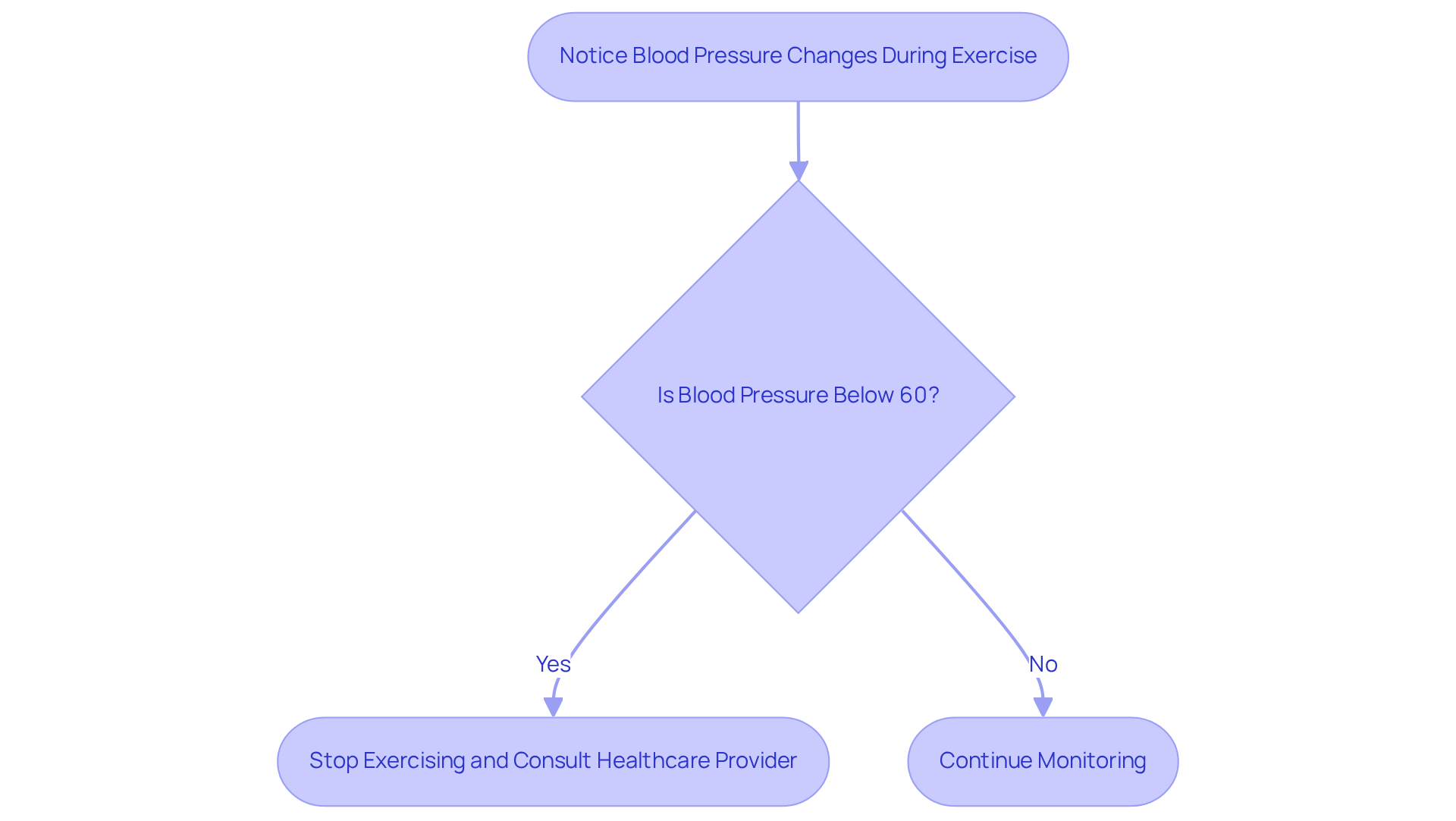
Elderly patients, have you noticed fluctuations in your blood pressure during exercise? This can be a significant indicator of atrial fibrillation (AFib). Research shows that older adults often experience notable changes in blood pressure when engaging in physical activity, largely due to the heart's reduced ability to pump effectively. A recent study highlighted that many older adults with cardiovascular conditions reported blood pressure scores below 60 during exercise, which is concerning for overall cardiovascular wellness.
At Amavita Heart and Vascular Health®, our cardiologists want you to know that significant changes in blood pressure should prompt you to stop exercising immediately and consult with a healthcare provider. This is crucial for proper cardiovascular monitoring. We offer thorough cardiac assessments and preventive approaches, utilizing advanced imaging technologies and tailored interventions to address these issues and significantly reduce the risk of myocardial infarction.
Understanding these variations is essential, as they can greatly impact your cardiovascular health, particularly in managing symptoms of AFib during exercise and preventing complications. To ensure your safety while exercising, we strongly advise you to consult with your healthcare provider before starting any new exercise program. Remember, you are not alone in this journey; we are here to support you every step of the way.
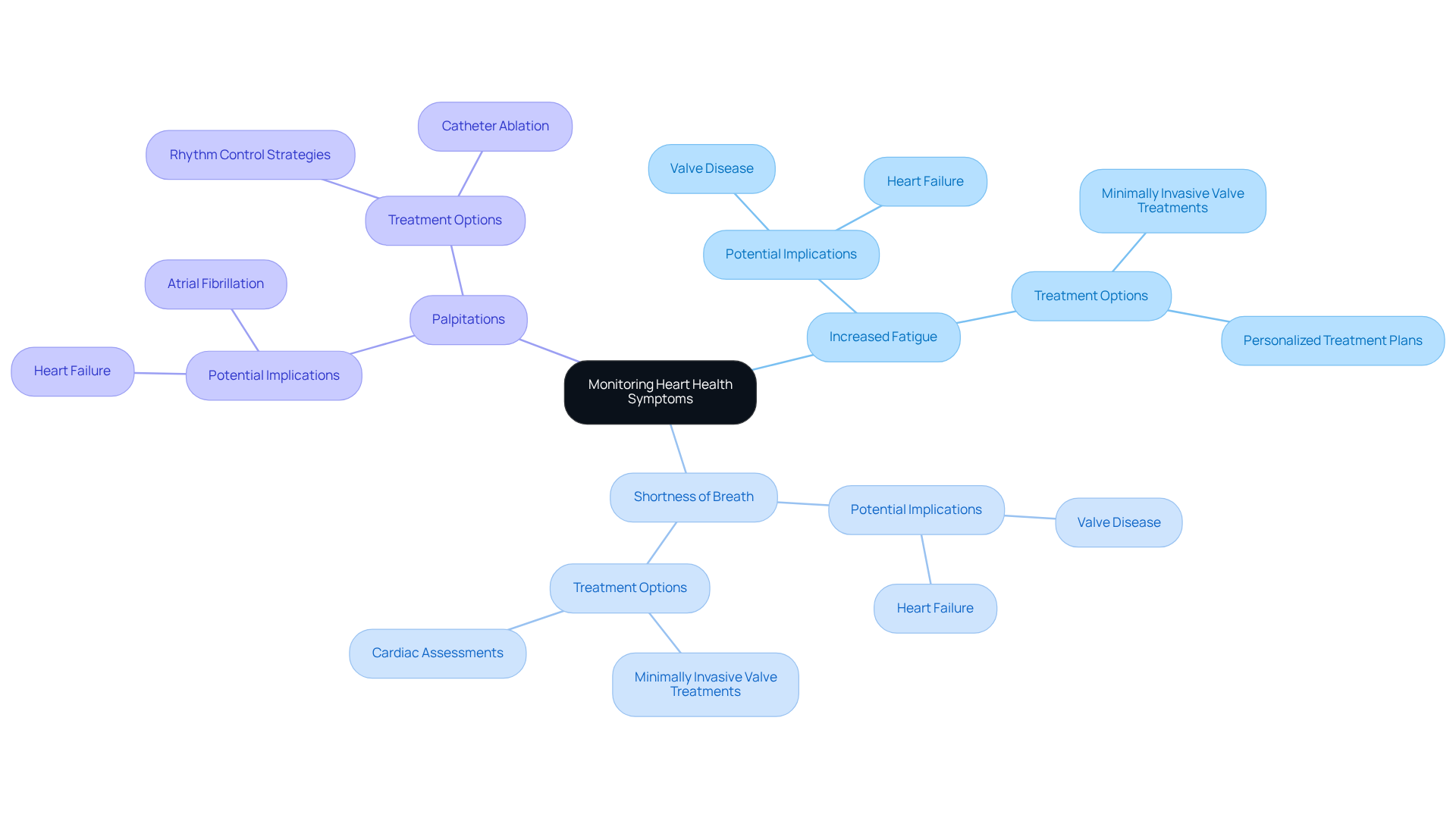
As we age, it’s crucial for senior patients to stay alert to any new or worsening signs during physical activity. These changes can be important indicators of our heart health. Common signs to keep an eye on include increased fatigue, shortness of breath, and palpitations that feel more frequent or intense than usual. For instance, shortness of breath might suggest valve disease, which occurs when heart valves don’t open or close properly, forcing the heart to work harder. This can lead to feelings of breathlessness and fatigue, and if left unaddressed, valve disease could progress to heart failure.
At Amavita, we understand these concerns deeply. Dr. Martinez-Clark specializes in minimally invasive valve treatments that can repair or replace damaged valves without the need for open-heart surgery. Many patients experience significant improvements in their breathing and energy levels after these procedures. It’s not uncommon for older individuals with atrial fibrillation to notice symptoms of afib during exercise. That’s why monitoring the symptoms of afib during exercise is crucial for effectively managing atrial fibrillation and maintaining optimal heart health.
Recognizing these changes early can lead to timely medical intervention, which is vital for preventing complications associated with the symptoms of afib during exercise. Recent studies show that proactive monitoring can greatly enhance outcomes for older adults. It’s essential for patients to communicate any concerns with their healthcare providers. Amavita offers thorough cardiac assessments that can identify the exact causes of fatigue and other issues, allowing us to create personalized treatment plans aimed at improving heart function.
As Dr. Epstein wisely points out, "We know that outcomes are better if you’re treated before those changes occur. So it’s not a good idea to wait." Additionally, research indicates that AFib increases the risk of early-onset dementia by 52% in individuals under 70, underscoring the importance of vigilance in symptom monitoring.
Our innovative AI-powered CardioElite™ program enhances early detection and patient outcomes, ensuring that elderly patients receive the best possible care. Remember, you’re not alone in this journey; we’re here to support you every step of the way.
Recognizing the symptoms of atrial fibrillation (AFib) during exercise is crucial for elderly patients. Timely intervention can significantly improve health outcomes. Have you ever felt fluttering heartbeats or experienced chest discomfort while being active? These sensations, along with:
are key indicators that deserve your attention. Each of these signs can signal potential cardiac issues that may arise during physical activity.
Awareness of these symptoms is essential for proactive health management. Listening to your body is vital, and seeking medical advice when you notice concerning signs can make a difference. With advances in diagnostic technology, like the AI-driven CardioElite™ program, early detection and intervention can lead to better management of AFib. This, in turn, enhances the overall quality of life for older adults.
Ultimately, staying informed and vigilant about heart health is paramount. Engaging in regular communication with your healthcare provider and prioritizing symptom monitoring can empower you to take charge of your well-being. By recognizing and addressing these symptoms promptly, you can navigate your fitness journey with greater confidence and safety. Remember, you’re not alone in this; support is always available.
What is a fluttering or irregular heartbeat and why is it important to recognize it?
A fluttering or irregular heartbeat can feel like a racing or skipping sensation and is a key sign of atrial fibrillation (afib). Recognizing this symptom is vital as it may signal the onset of afib, prompting a necessary pause in activity and a conversation with a healthcare professional.
How do symptoms of afib during exercise differ for older adults?
Recent studies show that older adults often experience more pronounced symptoms of afib during exercise, highlighting the need for awareness and proactive management of their heart health.
What technology does Amavita Heart and Vascular Health use for diagnosing afib?
Amavita utilizes advanced AI-driven diagnostic technology through the CardioElite™ program, which combines portable, FDA-cleared AI ultrasound for bedside diagnostics with real-time guidance, ensuring accurate imaging and timely intervention.
What should you do if you experience chest discomfort or pain during exercise?
If you feel any chest discomfort or pain while exercising, it’s crucial to stop immediately and reach out to a healthcare professional, as these symptoms can indicate afib or other serious heart conditions.
What percentage of older adults report feeling chest discomfort during physical activity?
Around 30% of older adults report experiencing chest discomfort while being active, emphasizing the importance of being vigilant about heart health.
What is the significance of shortness of breath during exercise for older adults?
Shortness of breath during exercise can indicate that the heart is struggling to pump blood effectively. Up to 50% of older individuals with afib may not notice these signs, making it crucial to stay alert to any changes in breathing patterns.
How can atrial fibrillation increase stroke risk?
Atrial fibrillation can increase the risk of stroke by five times, especially in older adults. Recognizing symptoms and seeking help is essential to manage this risk effectively.
What treatments are available for older adults with afib?
Treatments may include minimally invasive procedures to repair or replace damaged heart valves, as well as anticoagulation therapy to prevent blood clots and strokes in older adults with afib.