


Understanding the multifaceted nature of atrial fibrillation (AFib) is crucial, especially for our elderly loved ones. As age significantly heightens the risk of this common heart condition, it’s important to recognize that nearly 9% of individuals aged 65 and older are affected. By understanding the various risk factors - from lifestyle choices to underlying health conditions - seniors can feel empowered to take proactive steps in managing their heart health.
But how can older adults effectively navigate these risks? How can they make informed decisions to reduce their likelihood of developing AFib? This article delves into ten key AFib risk factors that every elderly patient should be aware of. We’ll offer insights and strategies to support a healthier heart, ensuring that you feel informed and cared for every step of the way.
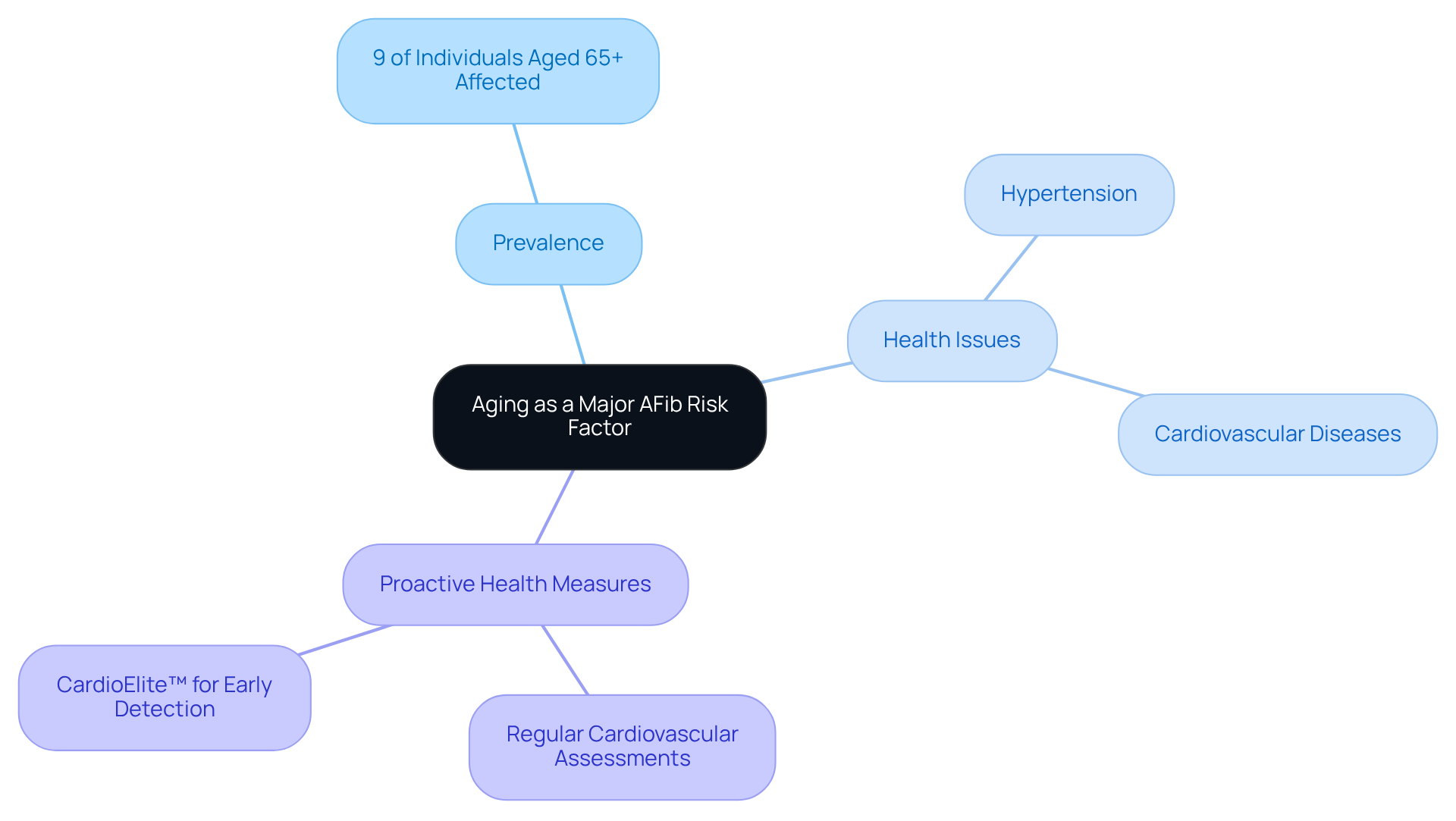
As we age, it’s important to recognize that the afib risk factors increase significantly. Did you know that about 9% of individuals aged 65 and older are affected by this condition? This rise in prevalence is often linked to changes in the heart's structure and the presence of other health issues, including afib risk factors like hypertension and cardiovascular diseases.
For older adults, understanding that age alone is one of the afib risk factors is crucial. Regular cardiovascular assessments can help monitor heart health and catch any potential issues early on.
With Amavita's CardioElite™, healthcare facilities can now conduct thorough cardiac assessments right at the bedside. This means immediate insights into heart structure and function are available, allowing healthcare providers to identify complications like atrial fibrillation sooner. Early detection can lead to better outcomes and timely interventions, ensuring that you receive the care you deserve.
Remember, taking proactive steps towards your heart health is vital. If you have concerns or questions, don’t hesitate to reach out for support. You’re not alone in this journey.
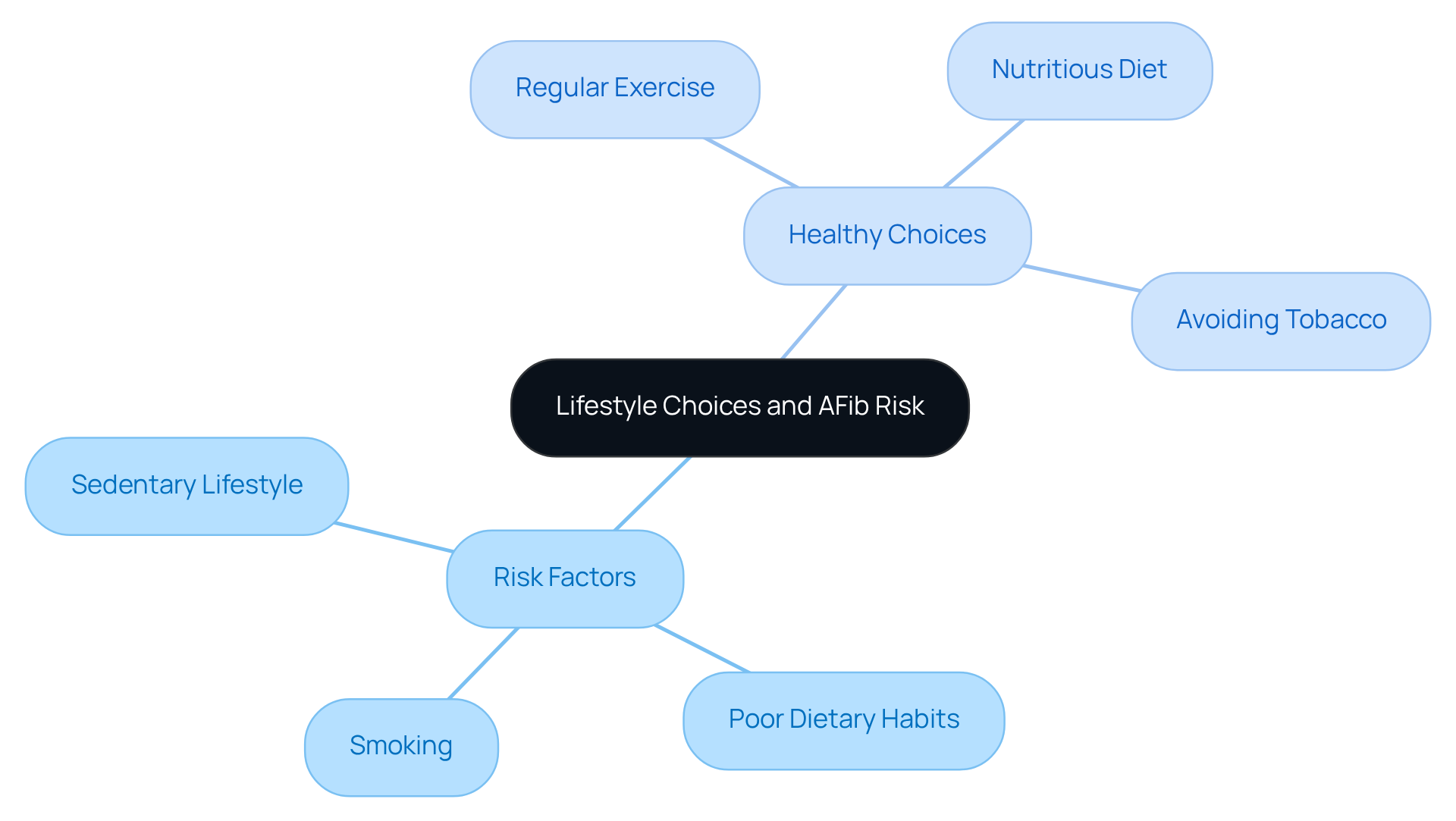
As we age, certain lifestyle choices can increase the likelihood of atrial fibrillation, which underscores the significance of recognizing afib risk factors that many older individuals share. A sedentary lifestyle, poor dietary habits, and smoking are considered afib risk factors that can contribute to this condition. But there’s good news! By embracing consistent exercise, enjoying a nutritious diet rich in fruits and vegetables, and avoiding tobacco, you can significantly lower your chances of developing atrial fibrillation.
Have you considered how small changes can make a big difference? Regular walks and heart-healthy food choices not only improve your cardiovascular health but also enhance your overall well-being. It’s never too late to start making these positive changes, and every step counts.
Remember, you’re not alone on this journey. Many people have successfully adopted healthier habits and experienced remarkable improvements in their health. If you’re feeling uncertain about where to begin, reach out for support. Together, we can work towards a healthier future.
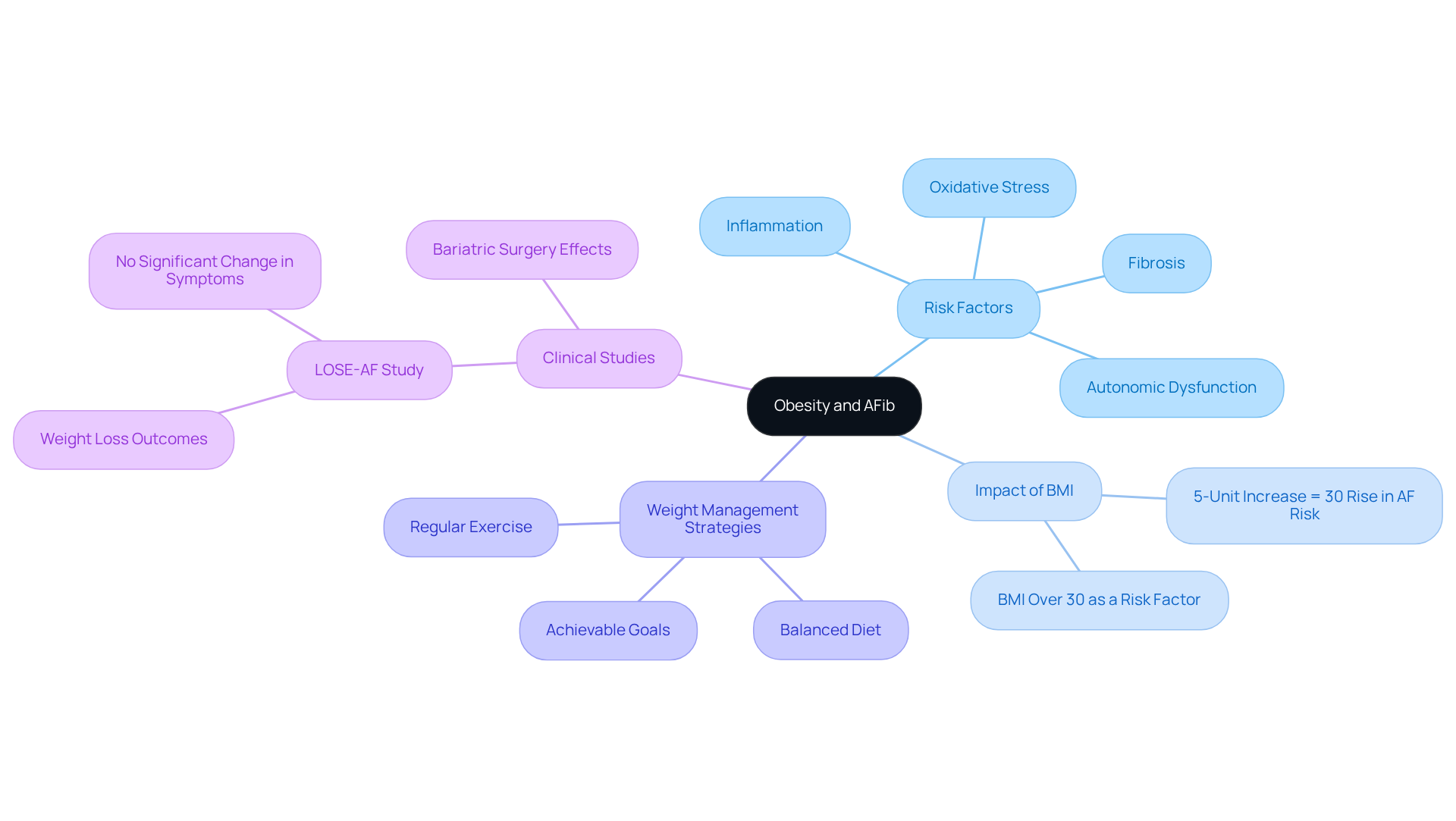
Obesity can be a significant concern, especially for older adults, as it plays a major role in developing atrial flutter. If you have a body mass index (BMI) over 30, studies show that this condition is one of the afib risk factors that considerably increase your chances of experiencing atrial fibrillation. Excess weight can lead to changes in the heart's structure, which raises afib risk factors due to issues such as inflammation, fibrosis, oxidative stress, and autonomic dysfunction.
For older adults, maintaining a healthy weight is crucial. A balanced diet and regular exercise can make a real difference. Even modest weight loss can reduce afib risk factors and enhance overall cardiovascular health. Did you know that a 5-unit increase in BMI is associated with a 30% rise in afib risk factors? This highlights just how important weight management is for your health.
Clinical trials, such as the LOSE-AF study, have shown that while weight loss can improve outcomes for those undergoing treatments for atrial fibrillation, it may not lead to significant changes in symptoms or heart function. Cardiologists emphasize that tackling obesity is crucial for mitigating afib risk factors and improving patient outcomes.
So, if you’re an elderly individual, it’s essential to prioritize your weight management strategies. Focus on achievable goals and consider lifestyle modifications that can support your health. Remember, you’re not alone in this journey, and there are resources available to help you every step of the way.
Hypertension is a significant concern, especially for older individuals, as it can lead to atrial flutter. When blood pressure rises, it can cause changes in the heart's structure and function, which are considered afib risk factors for developing atrial fibrillation. In fact, studies show that hypertension is one of the afib risk factors, as those with this condition have a 50% higher chance of experiencing atrial fibrillation compared to those without it. It’s crucial for seniors to monitor their blood pressure closely, as unmanaged hypertension can lead to serious complications like stroke and heart failure.
To help manage hypertension and reduce the afib risk factors, making lifestyle changes is essential. Consider these recommendations:
The effects of high blood pressure on heart structure are significant. Research indicates that it can lead to left ventricular hypertrophy, a condition that increases the afib risk factors for atrial fibrillation. Cardiologists emphasize that managing blood pressure proactively is key to preventing atrial fibrillation and reducing afib risk factors. By incorporating these strategies into daily routines, older individuals can significantly lower their chances of atrial fibrillation and enhance their overall heart health.
Remember, you’re not alone in this journey. Taking these steps can make a real difference in your health and well-being.

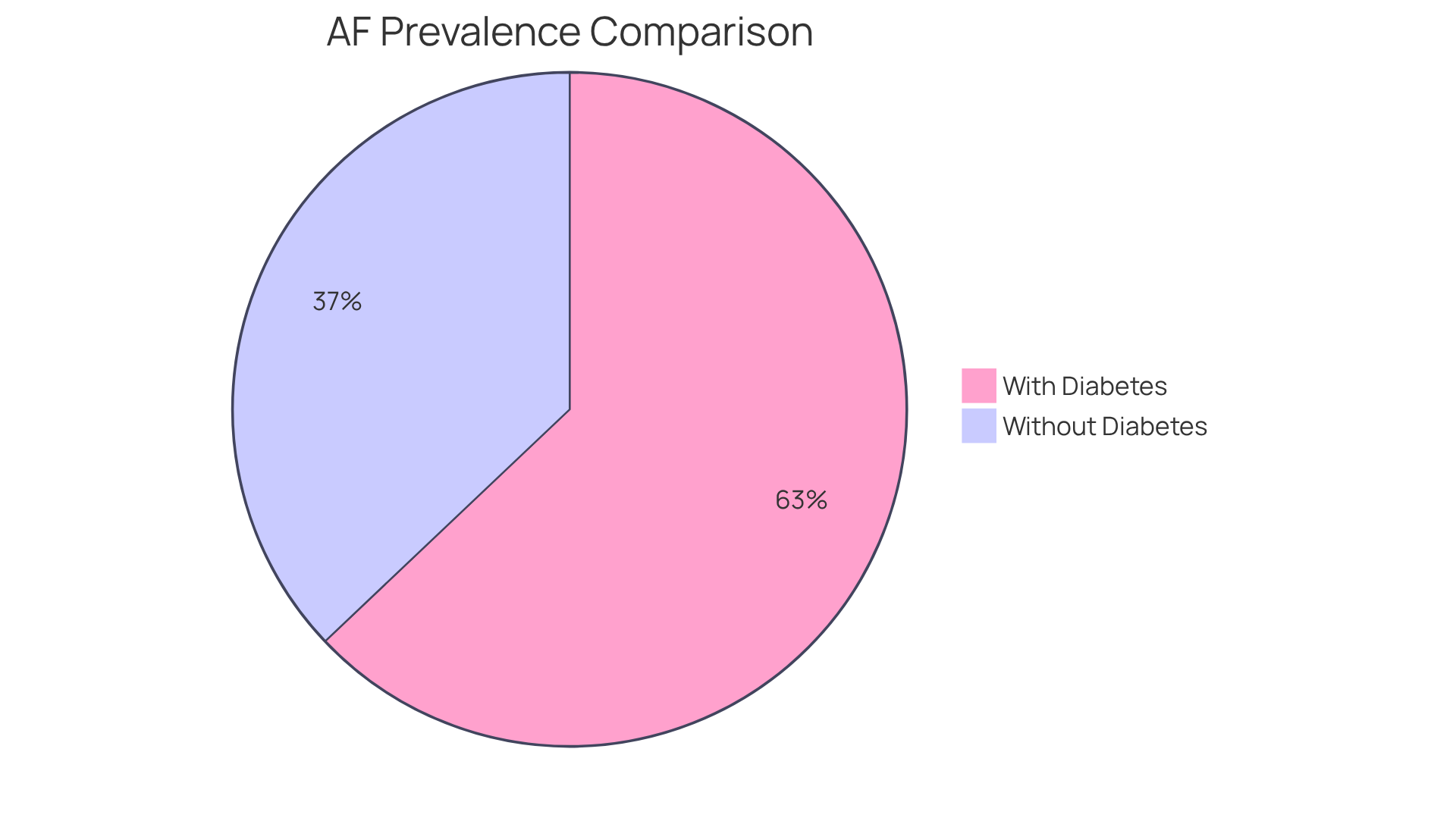
Diabetes mellitus is one of the significant afib risk factors. In fact, studies show that individuals with diabetes, who are often affected by afib risk factors, have a 40% higher chance of developing this rhythm disorder compared to those without it. During follow-up, 5.6% of individuals with diabetes developed AF, while only 3.3% of those without diabetes did. This highlights the prevalence of afib risk factors among those living with diabetes.
What causes this connection? It often stems from structural changes in the heart, like left ventricular hypertrophy and autonomic dysfunction, which can disrupt normal heart rhythms. For older adults, managing blood glucose levels effectively is crucial. This can be achieved through:
By maintaining optimal blood sugar control, older adults can reduce their likelihood of atrial fibrillation and address various afib risk factors, thereby enhancing their overall cardiovascular health and ultimately improving their quality of life.
Furthermore, Amavita's CardioElite™ program offers a comprehensive approach to managing cardiovascular health. It integrates advanced diagnostic data, AI technology, AHA certification, and 24/7 cardiology consultation. This proactive management can significantly lower readmissions and improve outcomes for elderly individuals with diabetes and atrial fibrillation. Imagine transforming the way cardiac care is provided in skilled nursing facilities, ensuring that every patient feels supported and valued.
If you or a loved one are facing these challenges, know that help is available. Don't hesitate to reach out for support-your health and well-being are worth it.
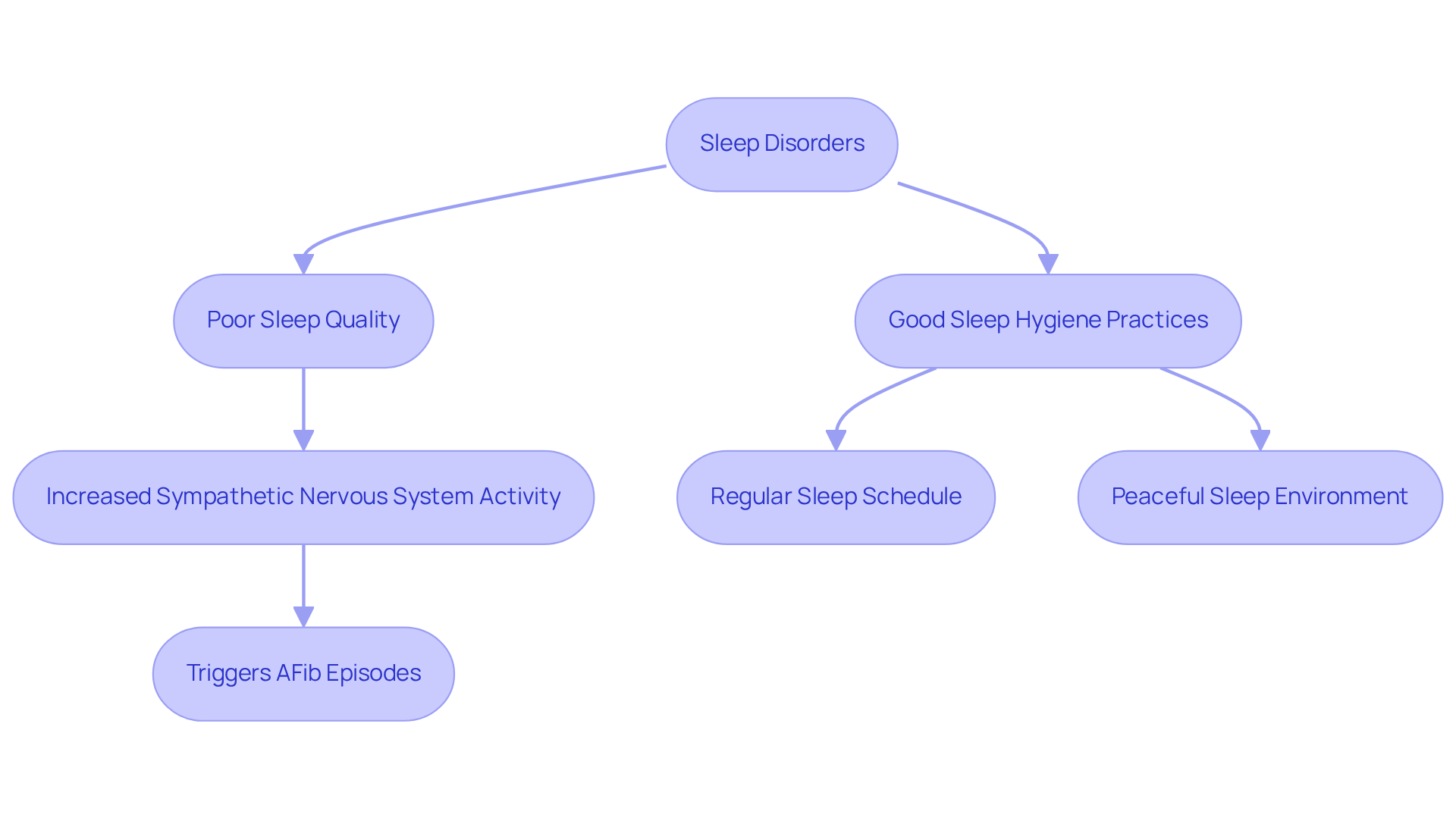
Sleep disorders, particularly obstructive sleep apnea, can significantly impact your heart health, especially for older adults. If you’ve been feeling restless at night, it’s important to know that poor sleep quality can lead to increased activity in your sympathetic nervous system, which may trigger episodes of atrial fibrillation (AFib) due to various AFib risk factors.
Have you ever wondered how your sleep might be affecting your heart? It’s a concern worth exploring. Seeking treatment for sleep disorders is a vital step towards better health. By adopting good sleep hygiene practices, like maintaining a regular sleep schedule and creating a peaceful sleep environment, you can lower your chances of developing AFib risk factors.
Remember, you’re not alone in this journey. Many people face similar challenges, and there are solutions available to help you find restful sleep. Taking action now can lead to a healthier, more vibrant life. Don’t hesitate to reach out for support; your well-being is worth it.
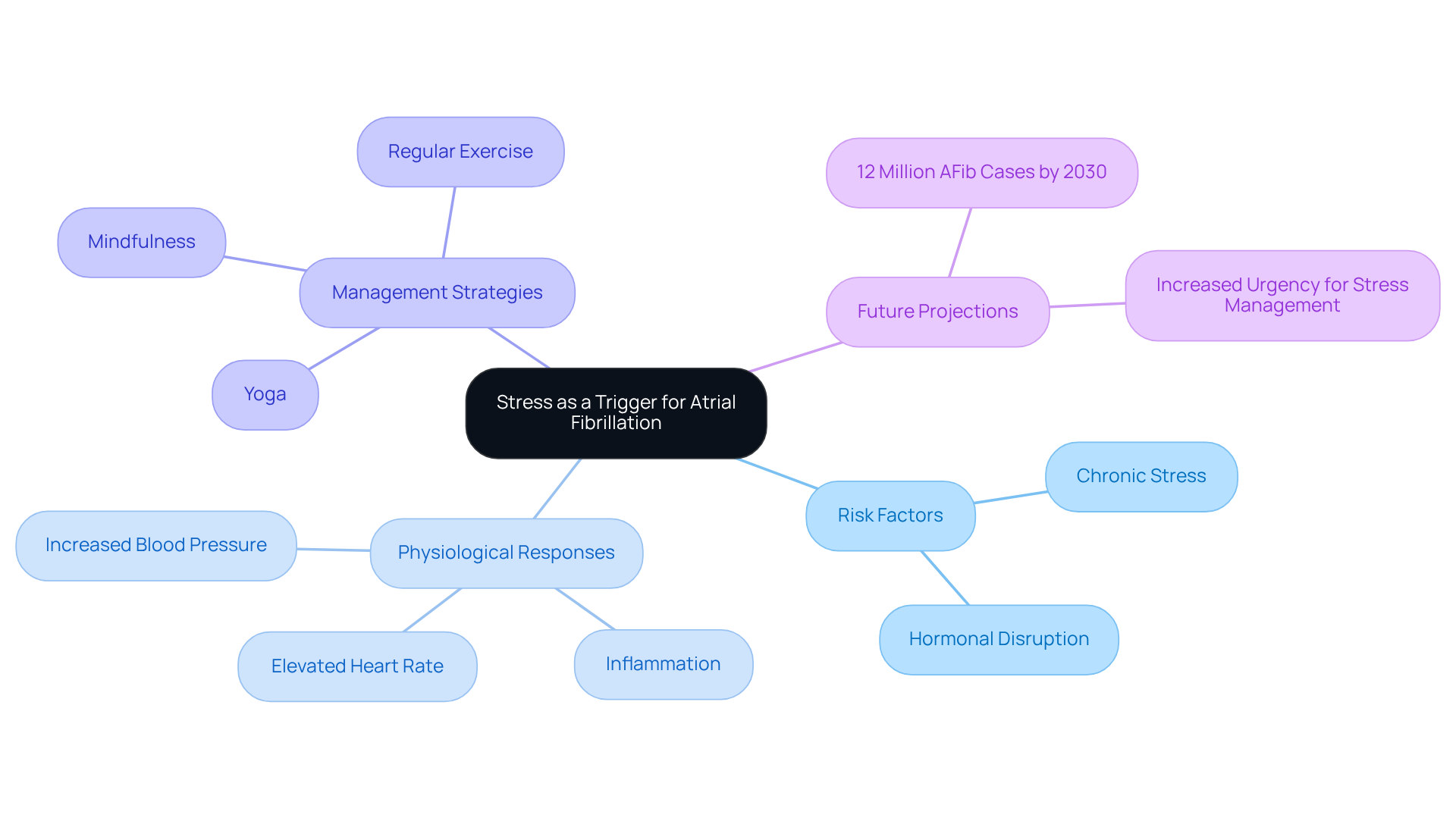
Chronic stress is one of the significant afib risk factors that can trigger atrial fibrillation, especially in older adults. It’s important to understand that when we experience stress, our bodies react by releasing hormones that can disrupt our heart's normal rhythms. This can increase the likelihood of AFib episodes, which raises concerns about afib risk factors. Research shows that prolonged exposure to these stress hormones can raise blood pressure and promote inflammation, both of which can harm our cardiovascular health.
For elderly patients, managing stress is crucial. Engaging in activities like mindfulness, yoga, and regular physical exercise can effectively help reduce stress levels. Not only do these practices improve emotional well-being, but they also promote better cardiovascular health, potentially reducing the frequency and severity of AFib episodes. Have you considered how these activities might fit into your routine?
As Dr. Glenn N. Levine wisely noted, 'Comprehending how stress impacts your cardiovascular system is one of the most crucial steps you can take toward long-term vascular health.' By prioritizing stress reduction, older adults can effectively manage afib risk factors and take meaningful steps toward maintaining a healthier heart rhythm.
Furthermore, projections indicate that by 2030, over 12 million individuals in the United States are expected to have atrial fibrillation. This makes addressing stress management increasingly urgent. Remember, you’re not alone in this journey, and seeking support can make a significant difference in your heart health.
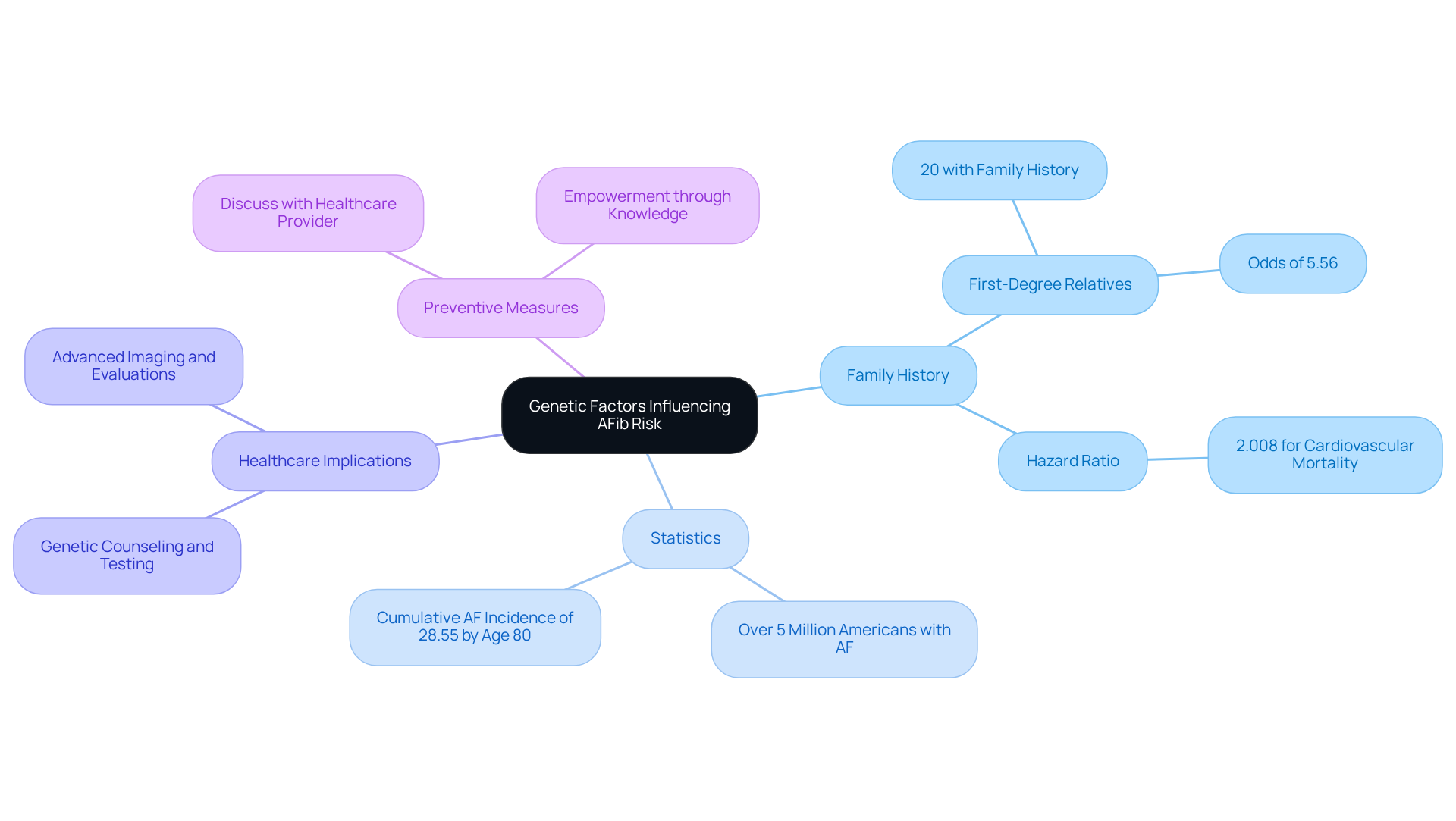
Genetic predisposition plays a vital role in the likelihood of developing atrial fibrillation (AF), especially for older individuals. If you have a family history of AFib or related arrhythmias, it’s important to know that these are afib risk factors that significantly increase your chances of encountering this condition. Research shows that over 20% of individuals with AF have a first-degree relative affected by the same arrhythmia. This highlights how crucial familial connections are when assessing cardiovascular health.
For instance, if you have one affected parent and one affected sibling, your odds of developing AF rise to 5.56. This underscores the genetic influence on this arrhythmia. Moreover, a family history of AF is linked to increased cardiovascular mortality, with a hazard ratio of 2.008. These statistics are essential to consider, especially if you have a known family history of afib risk factors, along with other contributing factors like diabetes or hypertension.
It’s crucial to engage in discussions with your healthcare provider at Amavita. Dr. Martinez-Clark, with his Harvard training and extensive cardiovascular experience, ensures that advanced imaging and comprehensive evaluations are available for those at high risk. Genetic counseling and testing can be valuable tools in assessing your vulnerability and informing management strategies.
As leading researchers in the field have noted, understanding the genetic underpinnings of AF can lead to more effective treatments and preventive measures. This proactive approach not only helps in evaluating potential issues but also empowers you to take control of your heart health. Remember, you’re not alone in this journey; support is available, and taking these steps can make a significant difference.
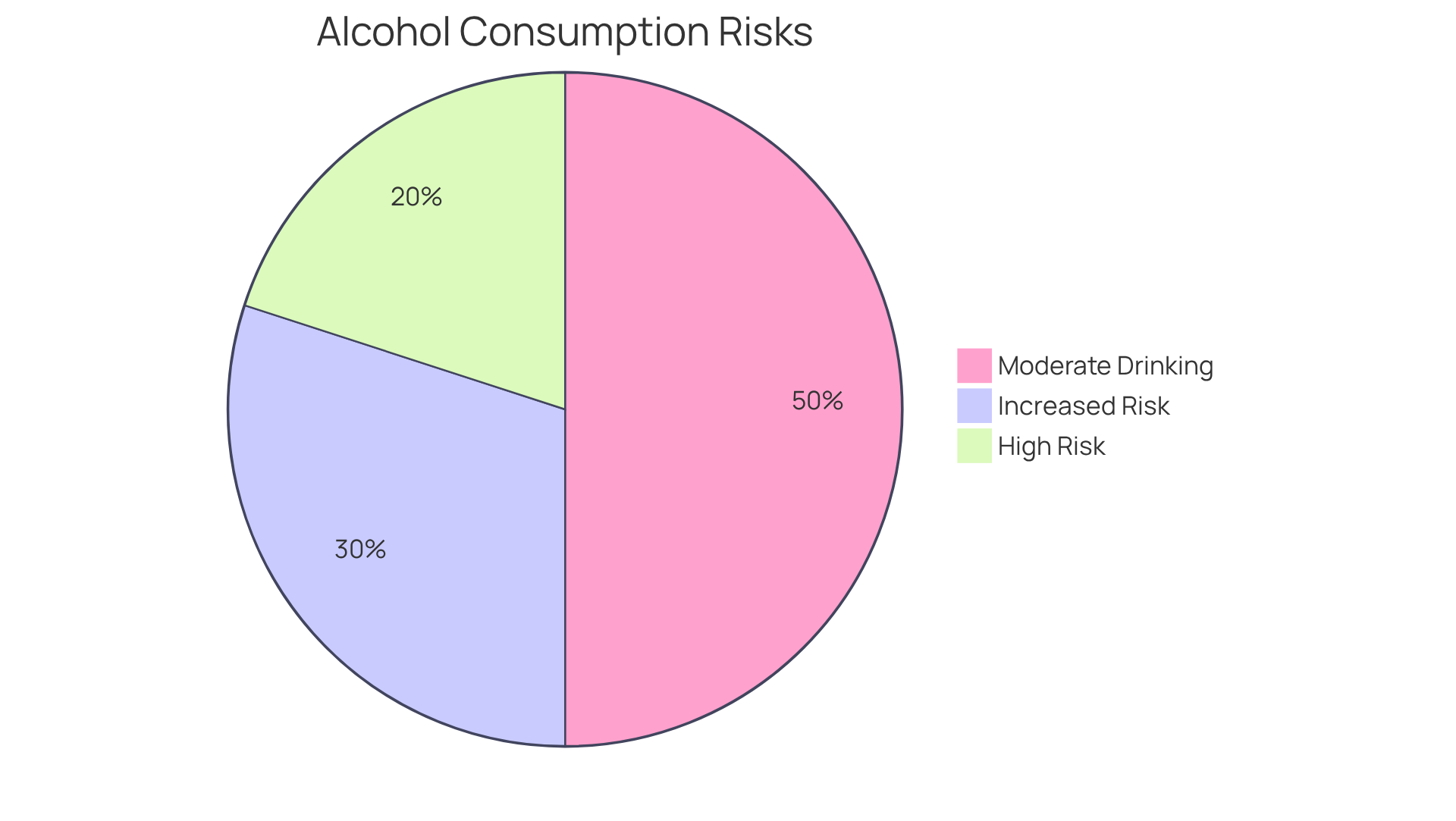
Alcohol intake, even in moderate amounts, can raise concerns about atrial fibrillation. If you’re wondering about your drinking habits, it’s important to know that recent studies suggest women can safely enjoy up to two beverages each day without significantly increasing their risk of developing this condition. However, if you find yourself having three or more drinks daily, the likelihood of atrial fibrillation does rise. In fact, research involving nearly 35,000 women aged 45 and older indicates that each additional drink per day can increase the risk by about 6%. For men, a Danish study found that the risk only heightens with five or more drinks per day.
For older adults, especially those with diabetes, hypertension, or a family history of heart disease, it’s crucial to consider limiting alcohol consumption due to the presence of afib risk factors. Have you talked with your healthcare provider about your drinking habits? At Amavita Heart and Vascular Health, we understand the complexities of managing afib risk factors, particularly for those at higher risk. Our advanced imaging capabilities and thorough cardiac evaluations allow us to provide personalized care tailored to your unique needs. Reducing alcohol intake can help lower afib risk factors, leading to fewer episodes of atrial fibrillation and better heart health.
While moderate drinking might offer some cardiovascular benefits, cardiologists emphasize that excessive consumption poses significant risks, especially for older individuals. It’s essential to maintain a balanced approach to alcohol intake. Remember, moderate alcohol consumption is defined as:
Taking these steps can help you manage your afib risk factors and promote overall heart wellness.
As we age, various health risks can significantly increase the chances of developing atrial fibrillation (AFib), especially AFib risk factors such as diabetes, hypertension, obesity, and sleep issues. These conditions often coexist, creating a combined vulnerability that can be concerning. Did you know that obesity alone raises the likelihood of AFib by 49%? Moreover, hypertension is considered one of the AFib risk factors, accounting for over 20% of AFib cases. For individuals aged 45, the lifetime risk of developing atrial fibrillation is estimated at 27.7% from 2000 to 2022. This highlights the urgent need to address these factors with care and attention.
It's essential to embrace a holistic approach to health management that addresses all contributing factors. This means making lifestyle changes, attending regular medical check-ups, and following prescribed treatment plans. At Amavita Heart and Vascular Health, we understand the importance of personalized care. We emphasize advanced imaging and thorough assessments tailored for those at high risk, including individuals seeking executive health screenings for comprehensive cardiac evaluations. Such a unified approach not only helps reduce the chances of arrhythmia but also enhances overall health outcomes.
Cardiologists stress that effective assessment and management of AFib risk factors are essential in preventing AFib and its complications. It's crucial for elderly patients to prioritize their health in a holistic manner. Remember, monitoring changes in atrial fibrillation burden is essential to measure the effectiveness of management strategies and prevention efforts. We’re here to support you every step of the way.
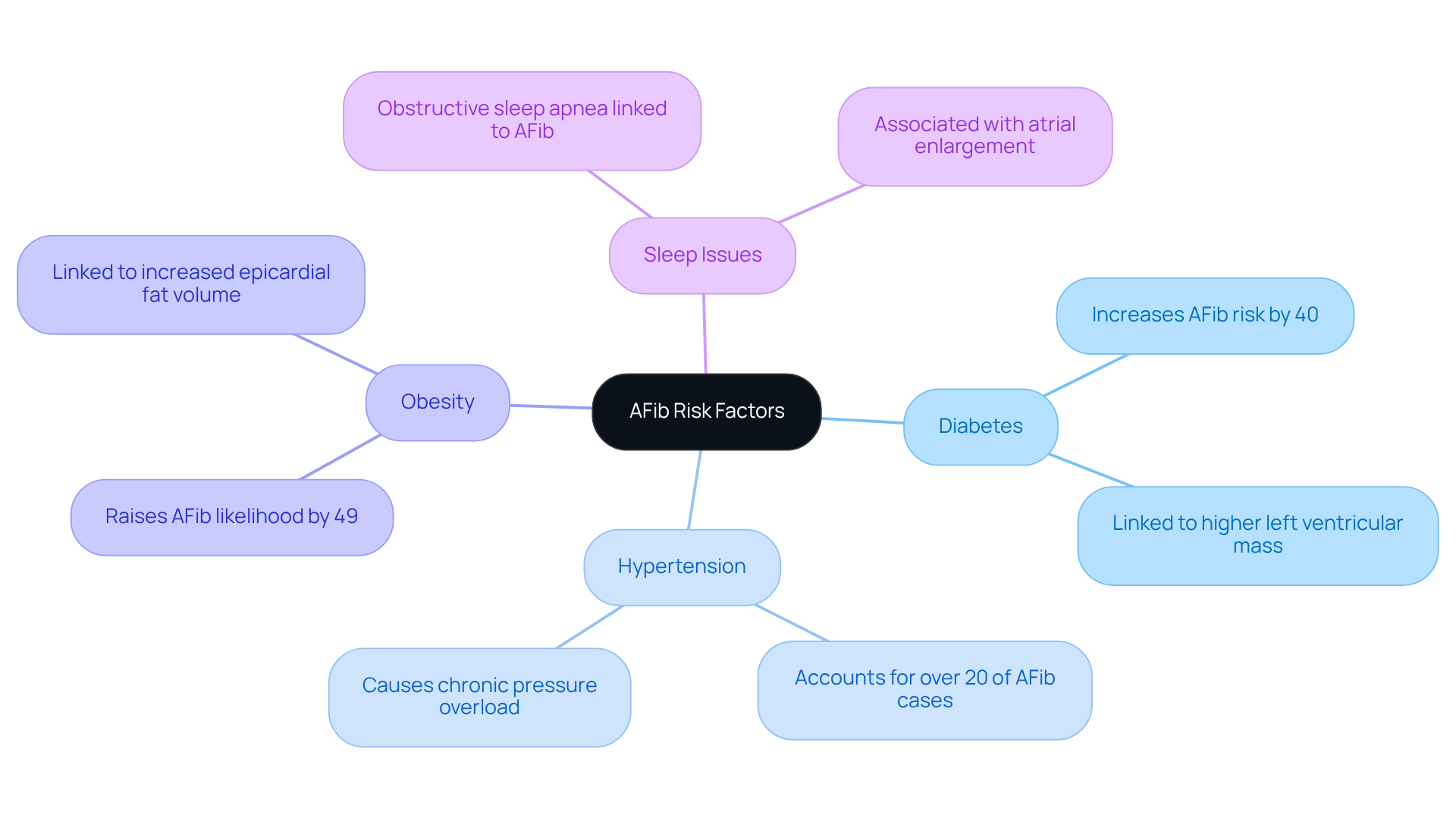
Aging significantly influences the rising occurrence of atrial fibrillation (AFib), especially in older adults. As we age, risk factors linked to AFib-like hypertension, obesity, diabetes, and lifestyle choices-become more evident. It’s crucial for elderly patients to understand these connections so they can take meaningful steps to protect their heart health.
This article highlights ten important AFib risk factors that older individuals should recognize. These include:
Each of these factors plays a part in a complex relationship that can heighten the risk of developing AFib, emphasizing the need for a thorough approach to health management.
Ultimately, being aware of and actively managing these AFib risk factors can lead to better health outcomes for older adults. By embracing healthier lifestyle habits, scheduling regular medical check-ups, and having open conversations with healthcare providers, individuals can significantly lower their risk of atrial fibrillation. Taking these steps not only boosts cardiovascular health but also enhances overall quality of life. Remember, it’s never too late to prioritize your heart health and well-being.
What is the relationship between aging and atrial fibrillation (AFib)?
As individuals age, the risk factors for AFib increase significantly, with about 9% of those aged 65 and older affected. This rise is often linked to changes in heart structure and other health issues, such as hypertension and cardiovascular diseases.
How can older adults monitor their heart health?
Regular cardiovascular assessments are crucial for older adults to monitor heart health and catch potential issues early on. Tools like Amavita's CardioElite™ allow for thorough cardiac assessments at the bedside, providing immediate insights into heart structure and function.
What lifestyle choices can increase the risk of AFib?
A sedentary lifestyle, poor dietary habits, and smoking are lifestyle choices that can increase the likelihood of developing AFib. Embracing consistent exercise, a nutritious diet rich in fruits and vegetables, and avoiding tobacco can significantly lower these risks.
How can weight management impact AFib risk?
Obesity is a major concern for older adults and significantly increases the risk of AFib. A body mass index (BMI) over 30 is associated with higher chances of developing atrial fibrillation. Maintaining a healthy weight through a balanced diet and regular exercise can help reduce AFib risk factors.
What are the effects of weight loss on AFib?
While weight loss can improve outcomes for those undergoing treatments for AFib, it may not lead to significant changes in symptoms or heart function. However, tackling obesity is crucial for mitigating AFib risk factors and improving overall cardiovascular health.
What should older adults focus on for better heart health?
Older adults should prioritize weight management strategies, focusing on achievable goals and lifestyle modifications, such as regular exercise and healthy eating, to support their heart health.