


Peptide and hormone therapy for weight loss is truly a groundbreaking approach in the ongoing battle against obesity, a challenge that touches the lives of billions around the globe. These therapies harness the power of peptides and hormones, offering a unique opportunity to help regulate appetite, enhance metabolism, and promote fat oxidation. For many struggling with weight management, this represents a beacon of hope.
But with so many options available, it’s natural to feel overwhelmed. How can you determine the most effective path forward in your weight loss journey? It’s important to remember that you’re not alone in this. Many individuals share similar concerns and anxieties about their health and well-being.
In addition to exploring these innovative therapies, consider reaching out for support. Whether it’s talking to a healthcare professional or connecting with others who understand your journey, taking that first step can make a world of difference. Remember, you deserve to feel supported and valued as you navigate this path.
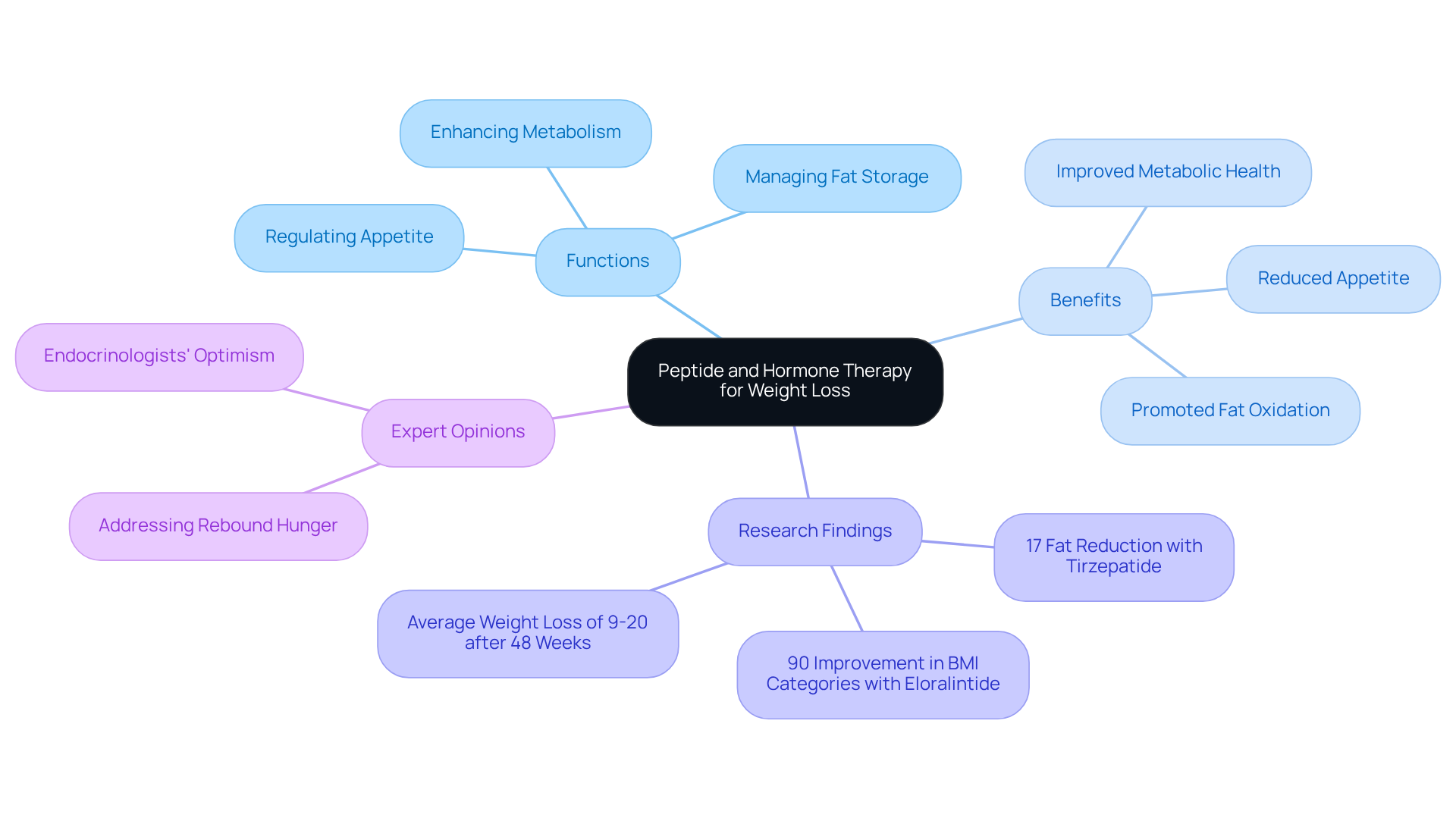
Managing body mass can be a challenging journey, and it’s completely understandable to feel overwhelmed. provides a to help control the physiological processes that influence body mass. Peptides, which are short chains of amino acids, play a crucial role by signaling the body to regulate appetite, , and manage fat storage. Hormones, acting as chemical messengers, help balance metabolism and energy levels. Together, these treatments, such as , aim to improve metabolic health, reduce appetite, and , making them a hopeful option for those facing obesity or weight management difficulties.
Research shows that combining protein treatment with hormone therapy can lead to . For instance, studies indicate that women using tirzepatide alongside hormone treatment saw an average decrease of 17% over 18 months, compared to 14% for those not receiving hormone support. Additionally, a Phase 2 clinical trial revealed that up to 90% of participants using eloralintide improved by at least one BMI category, showcasing the real-world effectiveness of these treatments.
Endocrinologists are optimistic about the potential of peptide treatments in managing body mass. One specialist noted that these therapies not only help reduce appetite but also prevent rebound hunger, addressing a common hurdle in weight loss. With , presents promising solutions for those seeking .
If you’re feeling uncertain about your weight management journey, remember that you’re not alone. There are compassionate options available to support you. Don’t hesitate to reach out for help; together, we can explore the best path forward for your health and well-being.
In the early 20th century, the medical community began exploring the use of proteins and hormones, with insulin standing out as one of the first protein hormones used to manage diabetes. As research progressed, attention shifted to various molecules that influence appetite and metabolism, particularly and .
Today, we see a growing interest in for , especially among those looking to reduce body mass. in controlling appetite and . For example, GLP-1 treatments have shown promise in managing . However, it’s concerning to note that the World Health Organization estimates that by 2030, fewer than 10% of individuals who could benefit from these treatments will have access to them.
At the same time, (HRT) has evolved significantly. Initially aimed at alleviating menopausal symptoms, it is now recognized for its potential to help manage body composition, particularly in postmenopausal women. This shift reflects a deeper understanding of the intricate relationship between hormones, metabolism, and body mass, paving the way for innovative therapies, including for , that address and related health challenges.
Yet, challenges remain in fully and their production. This highlights the ongoing need for research and advancements in hormone discovery techniques. If you or a loved one are navigating these health concerns, remember that support is available. Seeking help can lead to better management of your health and well-being.

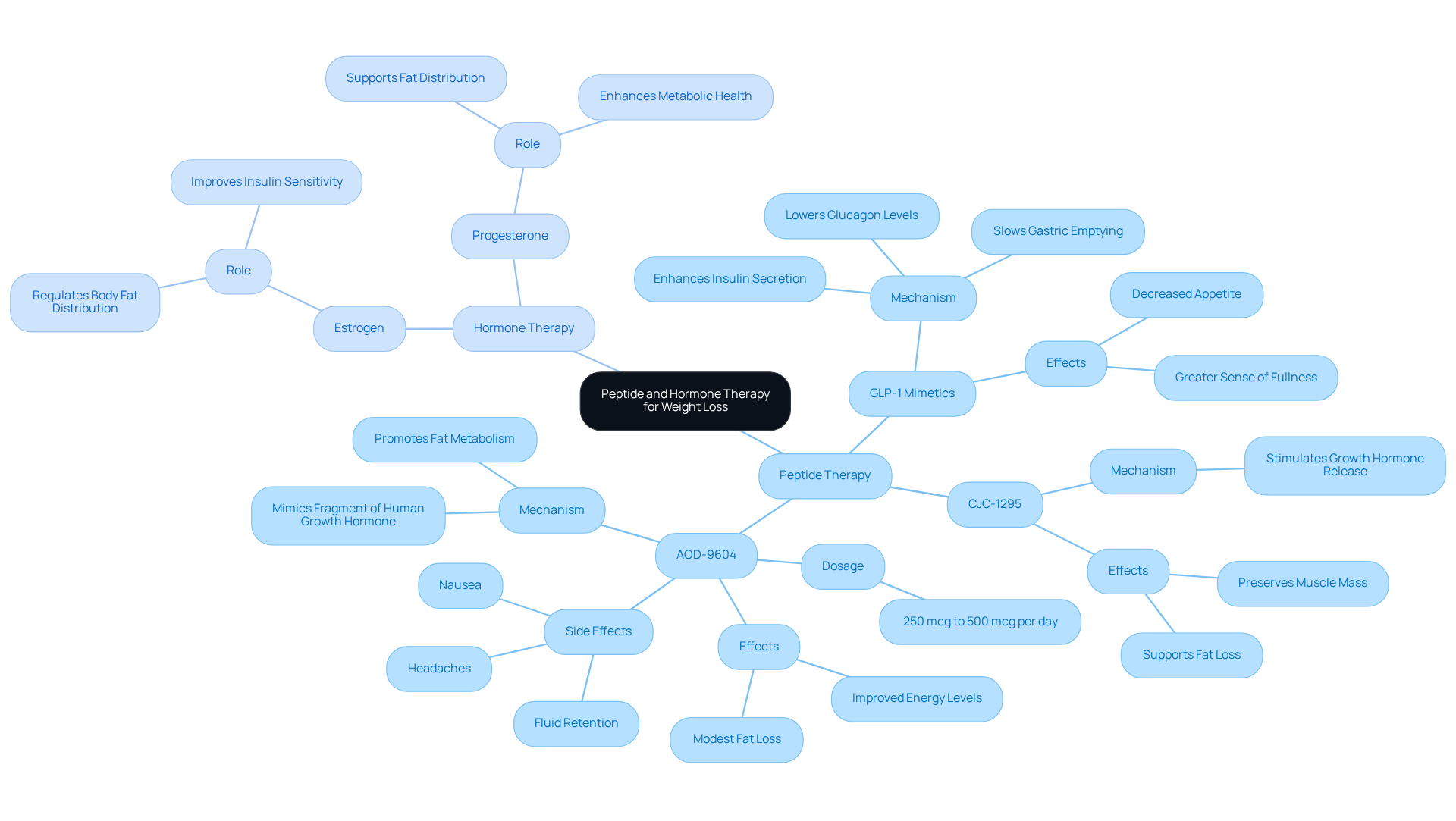
When it comes to body reduction, understanding the can feel overwhelming. works through various mechanisms that can truly make a difference. For example, GLP-1 mimetics help enhance , lower glucagon levels, and slow down gastric emptying. This can lead to a decreased appetite and a greater sense of fullness, which many people find beneficial. Similarly, peptides like while preserving muscle. However, it’s important to note that and is often used off-label. This is crucial to understand when considering its legal status and safety profile.
, can also play a significant role in regulating and improving insulin sensitivity. These factors are essential for effective weight management. Typically, these therapies are administered through injections or subcutaneous delivery, allowing for targeted effects on metabolism and appetite regulation.
Clinical data suggests that AOD-9604 can lead to modest fat loss, especially when combined with a calorie-controlled diet and regular exercise. However, results can vary based on individual metabolic health. The usual recommended dosage for AOD-9604 ranges from 250 mcg to 500 mcg per day. Many patients have reported positive outcomes, noting improvements in body composition and energy levels over time, often within just 6 to 12 weeks of starting treatment.
Experts believe that while AOD-9604 may not be a standalone solution for slimming, it can be effectively integrated into a comprehensive fat-reduction strategy, particularly when paired with other compounds like CJC-1295. This combination can enhance the overall effectiveness of weight management efforts, making a valuable option for those seeking sustainable results. Continuous monitoring for individuals using these treatments is beneficial, as it helps track fat reduction, energy levels, and hormonal responses over time.
It's also important to be aware of potential side effects from peptide treatments, which may include nausea, headaches, and fluid retention. Discussing these with a knowledgeable physician can ensure safe and effective care. Remember, you’re not alone in this journey, and seeking support can make all the difference.
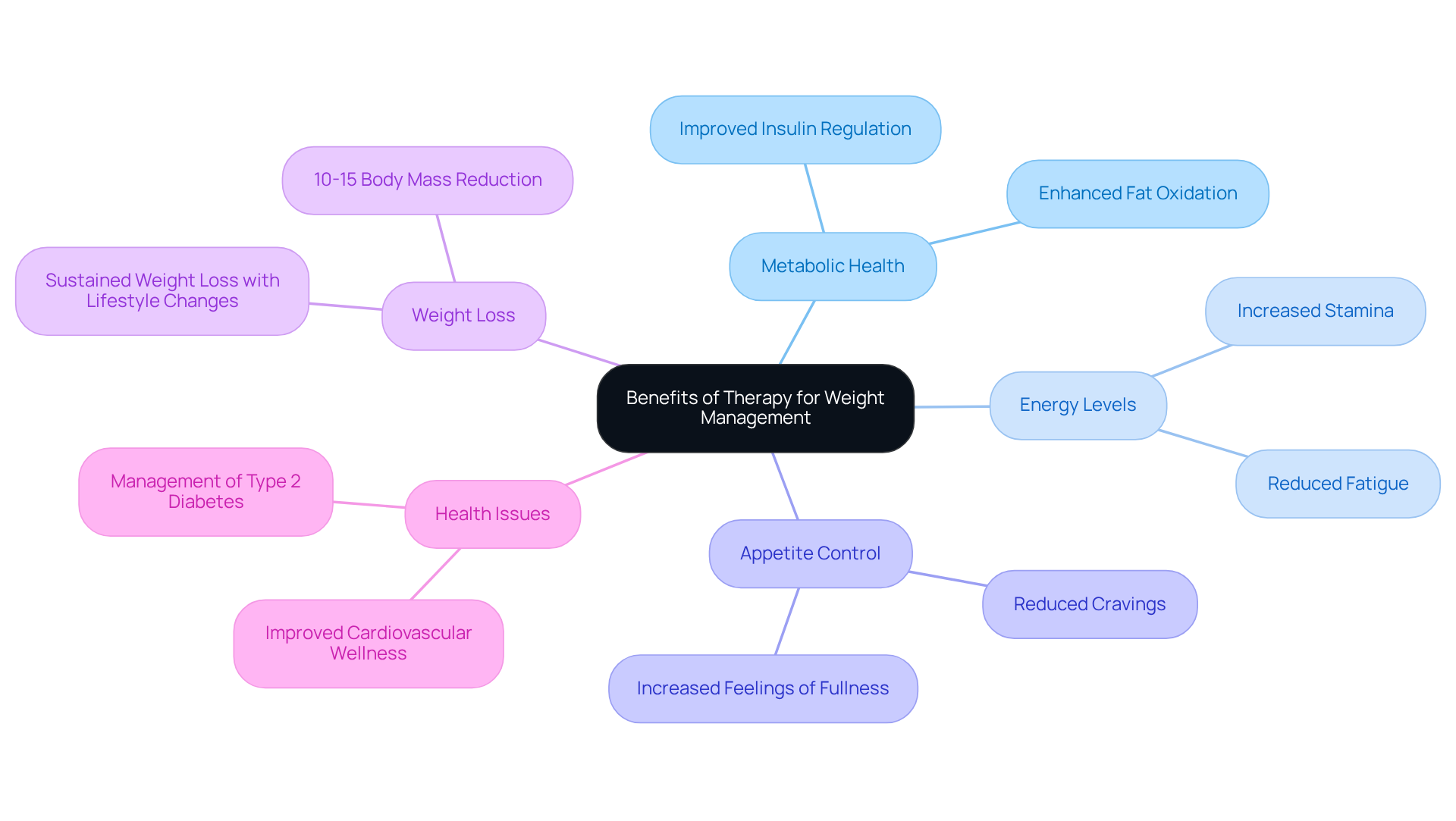
Are you feeling overwhelmed by ? You're not alone. Many individuals struggle with body mass and the associated health concerns, but there are compassionate solutions available. , especially , can provide . These treatments not only improve metabolic health but also help with and .
Patients often share their experiences of heightened energy levels and reduced cravings, making the journey of shedding pounds feel more manageable. , with many experiencing reductions of 10-15% of their body mass when combined with lifestyle changes over several months. This can be a hopeful prospect for anyone looking to improve their health.
In addition to this, these treatments can enhance related health issues, such as and . The World Health Organization emphasizes the importance of early detection and integrated strategies for obesity control, and GLP-1 therapies fit beautifully into this comprehensive approach.
While the effectiveness of GLP-1 treatments is clear, it's natural to have concerns about . Rest assured, these treatments are generally well-accepted and tend to show fewer side effects compared to traditional weight loss medications. Integrating , including GLP-1 therapies, into a holistic plan can lead to sustained health benefits and a better quality of life.
If you're considering this path, know that support is available. Reaching out for help can be the first step towards a healthier, happier you.
Peptide and hormone therapy for weight loss offers a compassionate approach to managing body mass, giving individuals a chance to take charge of their health once again. These therapies harness the power of peptides and hormones to influence appetite, metabolism, and fat storage, providing a holistic solution for those facing the challenges of obesity and weight management.
Have you ever felt overwhelmed by the struggle to maintain a healthy weight? You’re not alone. Throughout this article, we’ve explored key insights, including the historical context of these therapies, their mechanisms of action, and the significant benefits they can provide. Research shows that GLP-1 agonists and other peptide treatments can lead to meaningful weight loss and improved metabolic health. Many patients report feeling more energetic and experiencing fewer cravings. Furthermore, the ongoing evolution of these therapies reflects a deeper understanding of the intricate relationship between hormones and body composition.
Ultimately, embracing peptide and hormone therapy for weight loss can open the door to a healthier future. As obesity rates continue to rise, it’s essential to seek out compassionate solutions and support systems that can guide you on this journey. By exploring these innovative therapies, you can take meaningful steps toward achieving your health goals, fostering not just weight loss, but a better quality of life. Remember, you deserve support and understanding as you navigate this path.
What is peptide therapy for weight loss?
Peptide therapy for weight loss involves the use of short chains of amino acids that signal the body to regulate appetite, enhance metabolism, and manage fat storage.
How does hormone therapy contribute to weight loss?
Hormone therapy acts as a chemical messenger that helps balance metabolism and energy levels, which can aid in weight management.
What are the benefits of combining peptide and hormone therapy for weight loss?
Combining peptide and hormone therapy can improve metabolic health, reduce appetite, and promote fat oxidation, making it a hopeful option for those struggling with obesity or weight management.
What results have been observed from studies on peptide and hormone therapy?
Research indicates that women using tirzepatide alongside hormone treatment experienced an average weight decrease of 17% over 18 months, while those not receiving hormone support saw a 14% reduction. Additionally, a Phase 2 clinical trial showed that up to 90% of participants using eloralintide improved by at least one BMI category.
What challenges do peptide treatments address in weight loss?
Peptide treatments help reduce appetite and prevent rebound hunger, addressing a common obstacle that individuals face during weight loss.
How prevalent is obesity globally, and what role do peptide and hormone therapies play?
Obesity affects around 3 billion people worldwide, and peptide and hormone therapies present promising solutions for effective weight management strategies.
What should individuals do if they feel uncertain about their weight management journey?
Individuals are encouraged to seek help and explore compassionate options available to support their health and well-being.