


Atrial fibrillation (AFib) is a silent epidemic affecting millions, yet many remain unaware of its signs and symptoms. Recognizing these indicators is not just beneficial; it is essential for preventing serious health risks, including stroke and heart failure. As the prevalence of AFib continues to rise, especially among older adults, it’s natural to feel concerned. How can you empower yourself with knowledge to identify this potentially life-threatening condition before it escalates?
Understanding AFib is crucial. By being aware of its signs, you can take proactive steps to protect your health. It’s important to remember that you’re not alone in this journey. Many people share your concerns, and there are resources available to help you navigate this condition.
In addition to this, seeking support from healthcare professionals can provide you with the guidance you need. They can help you understand your risks and what steps to take next. Remember, taking action now can lead to a healthier future.
Furthermore, by educating yourself about AFib, you’re not just protecting yourself; you’re also empowering those around you. Share this knowledge with loved ones, and encourage them to be vigilant about their health as well. Together, we can create a supportive community that prioritizes heart health.
Atrial fibrillation is a common form of arrhythmia that can be concerning, as it leads to an irregular and often rapid heartbeat. This condition occurs when the electrical signals in the heart's upper chambers, known as the atria, become disorganized. As a result, the heart may not contract effectively, and the heart rate can exceed 100 beats per minute.
You might experience atrial fibrillation in different ways: it can be paroxysmal (intermittent), persistent, or even permanent. The signs and symptoms of afib commonly include:
It's important to recognize that atrial fibrillation significantly increases the risk of serious health issues, such as stroke, heart failure, and other cardiovascular complications.
Did you know that around 10 million Americans are affected by atrial fibrillation? This number is expected to rise, especially among our senior citizens. This reality highlights the critical need for awareness and early detection. Understanding your condition is essential for effective management and can lead to improved outcomes.
If you or a loved one are experiencing any symptoms, please don’t hesitate to reach out for support. You are not alone in this journey, and there are resources available to help you manage your health effectively.
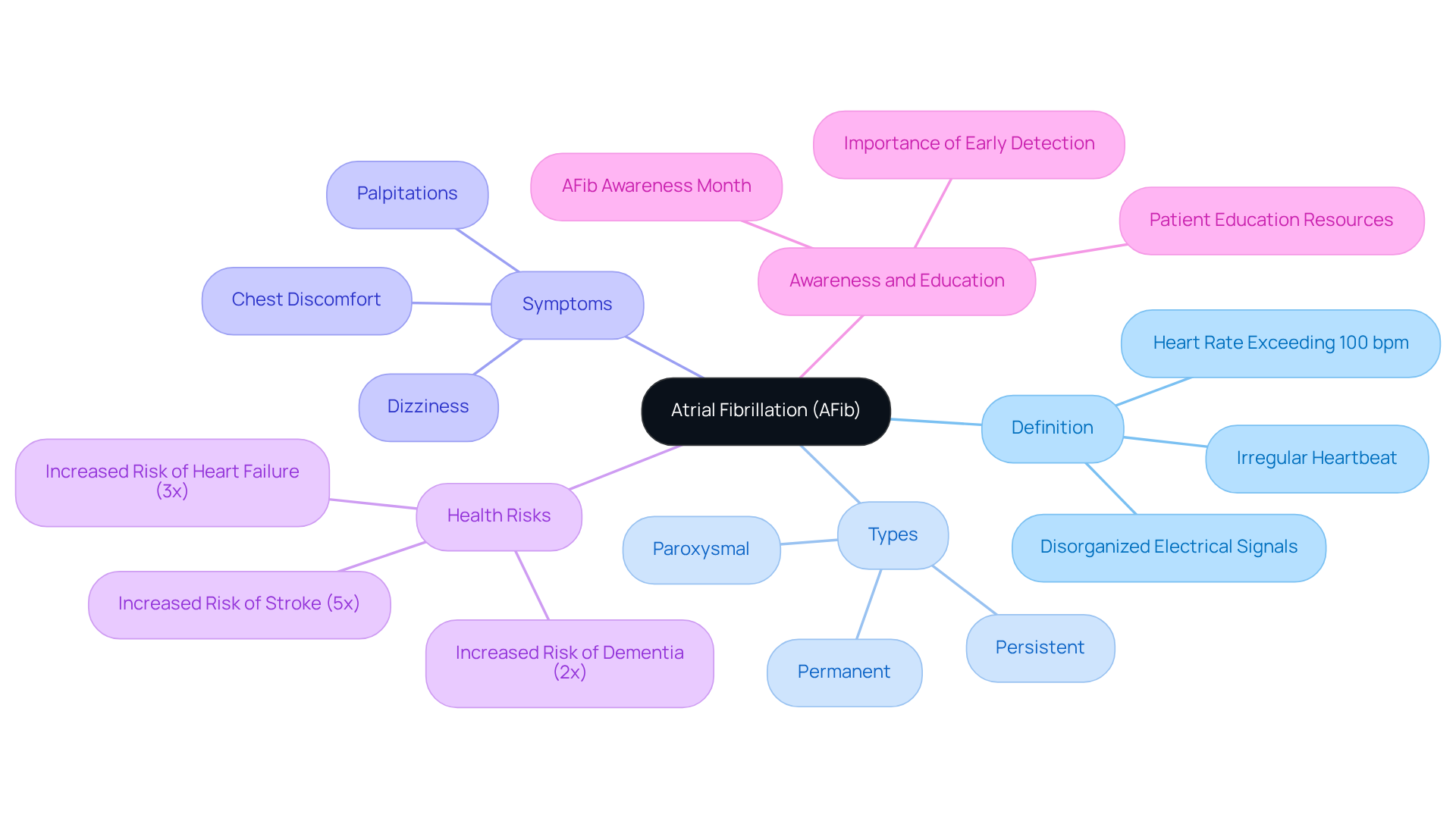
Atrial fibrillation (AFib) can show up in various ways, and recognizing these signs is vital for timely intervention. Here are some common symptoms to watch for:
Recognizing the signs and symptoms of AFib is crucial, as they may indicate atrial fibrillation, a condition affecting over 5 million adults in the U.S. alone. Research indicates that more than half of those with AFib were unaware of their condition before diagnosis. Early detection and management can greatly improve outcomes, especially for older patients who face a higher risk of complications like stroke.
At Amavita Heart and Vascular Health®, we understand how concerning these symptoms can be. Our innovative AI-powered CardioElite™ program uses advanced imaging technology, including portable, FDA-cleared AI ultrasound for bedside diagnostics, to enhance early detection and provide thorough evaluations for high-risk patients. If you or someone you know is experiencing these signs, please don’t hesitate to reach out to a healthcare expert for further assessment and potential treatment options. Your health and peace of mind are our top priorities.

Recognizing the signs and symptoms of afib is crucial for your health and well-being. This condition significantly increases the risk of stroke, with studies indicating a fivefold increase compared to those without it. Early detection can lead to timely intervention, which can drastically lower this risk. If left untreated, atrial fibrillation can lead to serious complications, such as heart failure, particularly in older adults, where the occurrence of this condition is nearly 10% for those over 80.
By being aware of the signs and symptoms of afib, including heart palpitations, dizziness, and fatigue, you can seek medical help sooner, which can greatly improve your health management and enhance your quality of life. Education and awareness play a vital role in preventing complications from AFib, especially since up to 50% of older adults may not show any symptoms. It’s concerning that many individuals are unaware of their condition, highlighting the importance of regular checkups and monitoring. Taking a proactive approach can lead to better health outcomes and fewer complications related to AFib.
Amavita's CardioElite™ program is here to support you in managing your heart health. It offers comprehensive care for arrhythmias, utilizing advanced monitoring technology to detect irregular heartbeats and providing innovative treatments that help restore your heart's natural rhythm. Wearable devices can even identify irregular heartbeats before symptoms arise, allowing for quicker treatment and improved overall cardiac care.
Remember, you’re not alone in this journey. Seeking help and staying informed can make a significant difference in your health.

When it comes to atrial fibrillation, understanding the diagnostic process can feel overwhelming. It all starts with a thorough medical history and a physical examination. Cardiologists often recommend essential tests to confirm atrial fibrillation, with the electrocardiogram (ECG) being the primary tool. This test captures the heart's electrical activity, helping to identify any abnormal rhythms, and it’s responsible for confirming over 90% of atrial fibrillation diagnoses.
In addition to the ECG, healthcare professionals might suggest using a Holter monitor. This portable ECG device is worn for 24 to 48 hours, allowing for the recording of heart activity during daily activities. It’s particularly useful for spotting sporadic episodes of atrial fibrillation that might not show up during a standard ECG.
Another important test is the echocardiogram, which uses ultrasound to assess the heart's structure and function. This can reveal hidden cardiovascular issues that may contribute to atrial fibrillation. Blood tests are also performed to check for underlying conditions, like thyroid disorders or electrolyte imbalances, that could exacerbate symptoms.
Recent advancements in diagnosing atrial fibrillation include implantable loop recorders, which continuously monitor heart rhythms over extended periods, and event recorders that capture irregular heartbeats during symptomatic episodes. These innovations are especially helpful for older adults, who may experience unusual symptoms or struggle to communicate their feelings.
Consider the case of a 76-year-old patient who experienced dizziness and fainting. An ECG revealed atrial fibrillation, and with continuous monitoring and appropriate testing, timely intervention was possible. This example underscores the vital role accurate diagnosis plays in effectively managing AFib.
Understanding this diagnostic process empowers you to seek evaluation promptly if you notice any symptoms. Remember, you’re not alone in this journey, and taking action can lead to better heart health.

Atrial fibrillation (AFib) is more than just a medical term; it’s a significant health concern that deserves our attention. With potential complications like stroke and heart failure, understanding AFib's signs and symptoms is crucial. By recognizing symptoms such as palpitations, dizziness, and fatigue, you can seek medical help sooner, which can ultimately improve your health outcomes and enhance your quality of life.
Throughout this article, we’ve shared key insights about the importance of awareness and early detection of AFib. It’s concerning that millions are affected by this condition, yet many remain unaware of their diagnosis until complications arise. The diagnostic process, which includes tools like ECGs and Holter monitors, is vital in confirming AFib and guiding appropriate treatment strategies.
Recognizing the signs of AFib and understanding the diagnostic process empowers you to take proactive steps in managing your heart health. Staying informed and seeking timely medical evaluation can lead to better outcomes, reducing the risk of serious complications. Remember, emphasizing AFib awareness and education is essential for fostering a community that prioritizes heart health. You don’t have to navigate this journey alone; support is available, and together we can work towards a healthier future.
What is atrial fibrillation (AFib)?
Atrial fibrillation is a common form of arrhythmia characterized by an irregular and often rapid heartbeat due to disorganized electrical signals in the heart's upper chambers, known as the atria.
What are the different types of atrial fibrillation?
Atrial fibrillation can be classified as paroxysmal (intermittent), persistent, or permanent.
What are the common signs and symptoms of atrial fibrillation?
Common signs and symptoms of atrial fibrillation include palpitations, dizziness, and chest discomfort.
Why is atrial fibrillation concerning?
Atrial fibrillation significantly increases the risk of serious health issues, such as stroke, heart failure, and other cardiovascular complications.
How many Americans are affected by atrial fibrillation?
Approximately 10 million Americans are affected by atrial fibrillation, with the number expected to rise, particularly among senior citizens.
What is the importance of awareness and early detection of atrial fibrillation?
Awareness and early detection of atrial fibrillation are critical for effective management and can lead to improved health outcomes.
What should I do if I experience symptoms of atrial fibrillation?
If you or a loved one are experiencing symptoms of atrial fibrillation, it is important to reach out for support, as there are resources available to help manage your health effectively.