


Understanding the nuances of hormone pellet therapy is essential for anyone seeking relief from hormonal imbalances. This innovative treatment can help restore balance and improve your quality of life. However, it’s natural to feel discomfort and uncertainty after the insertion process. What common pain and side effects might you experience? How can effective aftercare strategies ease your recovery journey?
By exploring these questions, you not only empower yourself but also enhance your overall experience with hormone therapy. In addition to this, knowing what to expect can help alleviate some of the anxiety surrounding the process. Remember, you’re not alone in this journey; many have walked this path and found relief.
If you have concerns, don’t hesitate to reach out for support. Your well-being is our priority, and we’re here to help you every step of the way.
Are you feeling tired, experiencing mood swings, or noticing a decrease in your libido? These symptoms can be signs of hormonal imbalances, and it’s completely understandable to feel concerned. At Amavita Heart and Vascular Health®, we offer a specialized treatment using small implants that can help restore your and improve your .
Our advanced , utilizing the established Virden Method™, is tailored specifically for the lifestyles of Miami men. These small capsules, containing , are gently inserted beneath the skin. They release these vital substances consistently over time, effectively addressing those frustrating symptoms. Imagine feeling more energetic and emotionally stable again-this treatment aims to help you achieve just that.
The primary goal of , especially for older individuals. It can be particularly beneficial for those experiencing andropause, as it helps maintain stable biochemical levels, leading to enhanced physical and emotional well-being. Recent studies have shown that men who undergo testosterone replacement treatment often experience . This highlights the potential for a and even longevity.
Endocrinologists have described as a 'godsend' for many, providing relief from disruptive symptoms and enhancing overall well-being. And here’s some encouraging news: the , signaling a positive shift in the perception and safety of these treatments.
If you’re feeling uncertain or anxious about your health, know that you’re not alone. We’re here to support you every step of the way. Don’t hesitate to reach out for help-your well-being is our priority.

At Amavita Heart and Vascular Health, we understand that the can feel daunting. That’s why we’ve designed it to be efficient and patient-friendly, typically conducted in a clinical setting with several key steps:
Our innovative and patented Virden Method™ enhances your comfort during the procedure, with 98% of individuals reporting excellent satisfaction. It’s heartening to note that for are notably high, with a continuation rate of approximately 93% after two insertions. This reflects the therapy's effectiveness and the positive experiences shared by many.
However, we want to ensure you’re fully informed about . Informed consent is essential, as we want you to understand both the advantages and the risks involved. Additionally, follow-up labs should be scheduled 4-6 weeks after insertion to monitor hormone levels and make any necessary adjustments.
Many individuals report , which can greatly enhance your overall after the procedure. Plus, the procedure encourages quicker recovery and reduces bruising, further boosting satisfaction.
If you have any questions or concerns, please don’t hesitate to reach out. We’re here to every step of the way.

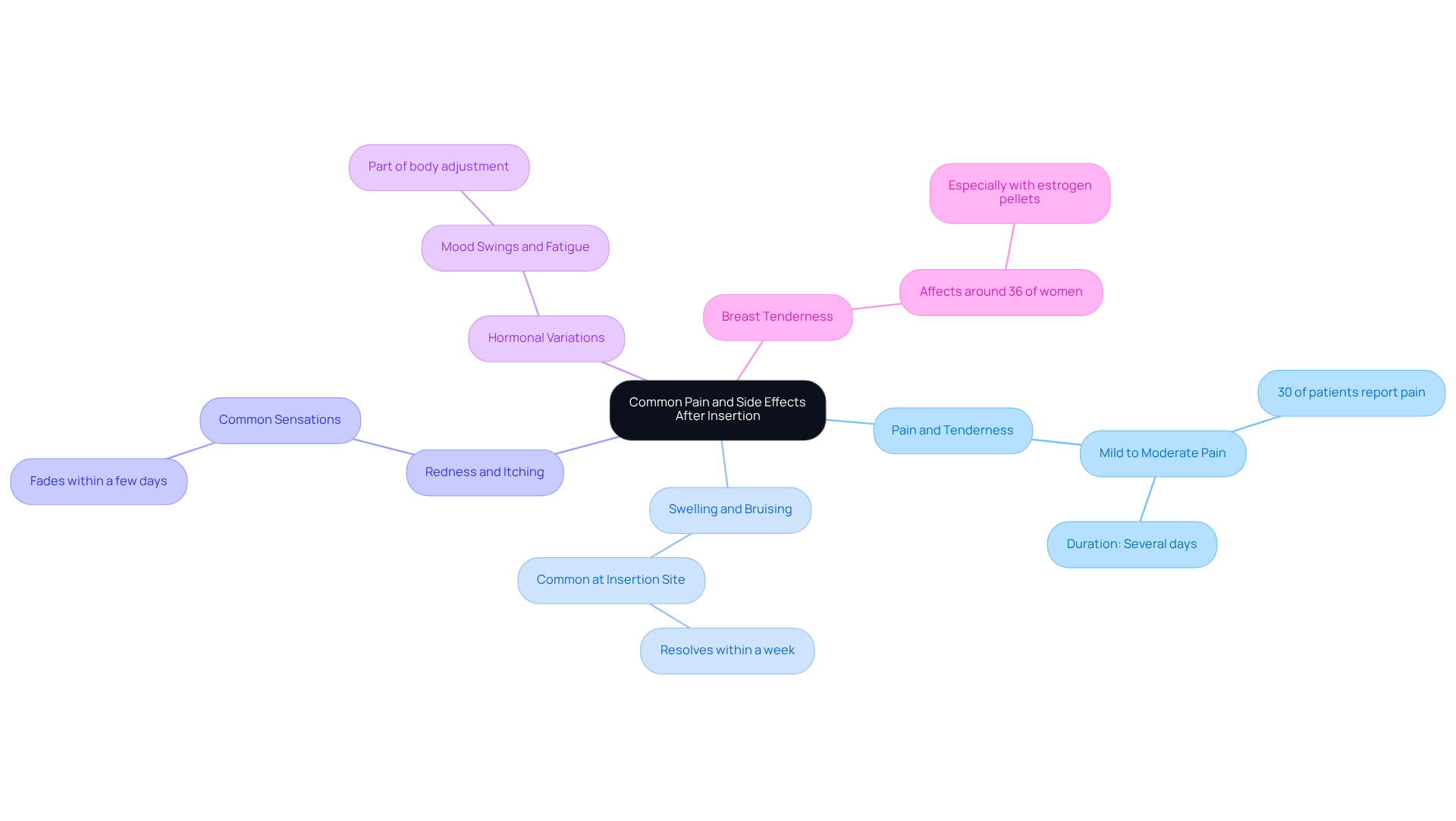
After , it’s common for individuals to experience , which can differ in intensity and duration. Understanding these can help you feel more at ease during your recovery. Here are some typical experiences:
While these side effects are usually mild and temporary, it’s important to keep an eye on your symptoms. If you experience severe pain, excessive swelling, or signs of infection, please consult with your . They can help ensure any complications are addressed promptly. Remember, understanding these potential side effects can empower you to take an active role in your treatment journey. You're not alone in this; .
To effectively manage pain and promote healing after , it’s important to follow these :
There may be pain after . : Over-the-counter pain relievers, such as acetaminophen, can be effective in alleviating pain. It’s always best to consult with your healthcare provider before taking any medication to ensure it’s safe for you. Also, avoid anti-inflammatory drugs unless specifically advised by your provider.
These strategies not only promote a smoother recovery but also enhance the overall effectiveness of . With Amavita's , you can expect comprehensive care at just $249/month, ensuring transparent pricing and expert guidance throughout your journey. Remember, you’re not alone in this - support is always available.

Understanding the nuances of hormone pellet therapy is crucial, especially when it comes to the pain and side effects that may follow insertion. If you’re considering this treatment, it’s important to be informed. The insights shared in this article not only cover the procedure itself but also what you can expect during recovery. This knowledge empowers you to make informed decisions and take proactive steps in your aftercare.
Key points discussed include:
Your comfort and satisfaction are paramount, and hormone pellet therapy can play a significant role in restoring hormonal balance and enhancing your overall well-being, particularly if you’re experiencing symptoms related to andropause.
Ultimately, hormone pellet therapy has the potential to greatly improve your quality of life. However, understanding the possible challenges and preparing adequately for recovery is essential. By following the recommended aftercare strategies and keeping an open line of communication with your healthcare provider, you can navigate your treatment journey more effectively. Embracing this knowledge allows you to take control of your health and well-being, ensuring a smoother transition into a revitalized state of balance and vitality.
What is hormone pellet therapy?
Hormone pellet therapy involves the use of small implants containing bioidentical substances like estrogen or testosterone, which are inserted beneath the skin to help restore hormonal balance and improve quality of life.
What symptoms can hormone pellet therapy address?
Hormone pellet therapy can address symptoms such as fatigue, mood swings, and decreased libido, which may indicate hormonal imbalances.
What is the Virden Method™?
The Virden Method™ is a specialized treatment approach used at Amavita Heart and Vascular Health® for administering testosterone implants tailored specifically for the lifestyles of Miami men.
Who can benefit from hormone pellet therapy?
Hormone pellet therapy can be particularly beneficial for older individuals, especially those experiencing andropause, as it helps maintain stable biochemical levels and enhances physical and emotional well-being.
What improvements can men expect from testosterone replacement treatment?
Men who undergo testosterone replacement treatment often experience significant improvements in energy levels and overall health, potentially leading to a better quality of life and increased longevity.
What recent changes have been made regarding the safety of hormone replacement therapy?
The FDA has recently lifted the black box warning on replacement therapy, indicating a positive shift in the perception and safety of these treatments.
How can individuals seek support regarding their hormonal health?
Individuals feeling uncertain or anxious about their health are encouraged to reach out for help, as support is available to prioritize their well-being.