


Atrial fibrillation (AFib) is more than just a medical term; it represents a significant health challenge that many face, especially older adults. This condition is characterized by an irregular heartbeat, which can lead to serious complications like stroke and heart failure. Understanding AFib is crucial, as it empowers you to take control of your health.
What if simple lifestyle changes could help manage your symptoms? This article explores effective management strategies and lifestyle adjustments that not only aim to alleviate the symptoms of AFib but also consider the possibility of reversing its effects. Can these proactive steps truly change the course of your health, or do you feel like you're facing an uphill battle?
We want to provide you with insights that can empower you with knowledge and practical steps for better heart health. Remember, you are not alone in this journey, and there are ways to navigate the challenges of AFib with support and understanding.
Atrial fibrillation is more than just a medical term; it’s an irregular and often rapid pulse rhythm that can lead to serious complications like stroke and heart failure. When the electrical signals in the heart become disorganized, the atria quiver instead of contracting effectively. This can lead to symptoms such as palpitations, shortness of breath, fatigue, and dizziness.
Understanding the effects of atrial fibrillation is especially important for our elderly loved ones, who face a higher risk of complications. At Amavita Heart and Vascular Health, we’re here to help. We provide comprehensive arrhythmia care, utilizing advanced treatments and innovative AI-powered diagnostic technology to enhance early detection and improve patient outcomes.
Our patient-focused approach ensures that early detection and treatment of atrial fibrillation can significantly enhance quality of life and reduce the risk of severe outcomes. If you or someone you care about is experiencing symptoms, don’t hesitate to reach out. We’re here to support you every step of the way.

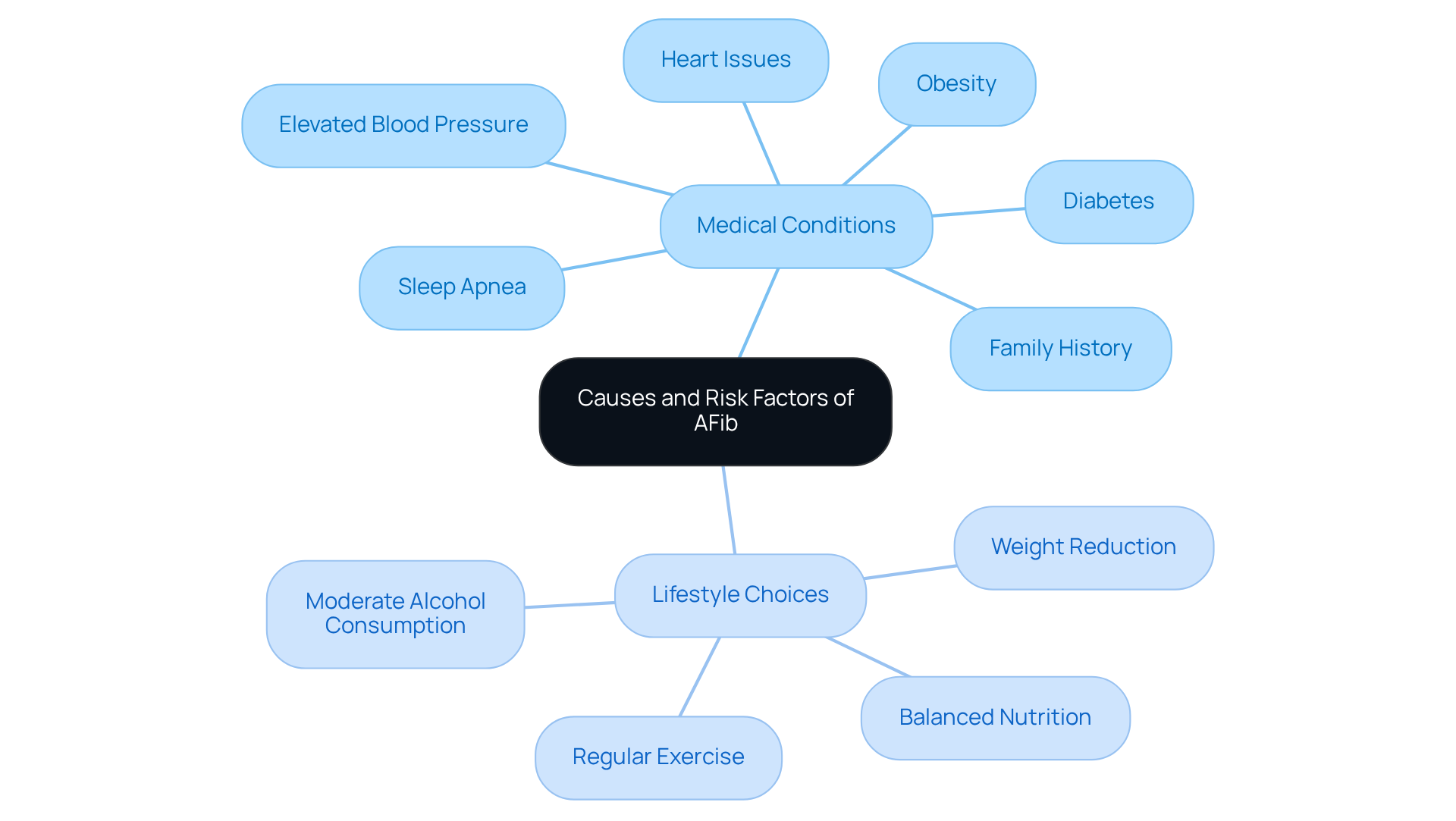
Atrial fibrillation can be a concern, especially for older individuals. Understanding the key contributors to this condition can help answer the question of whether afib can be reversed. Elevated blood pressure and heart issues are significant factors. Research shows that unmanaged hypertension can worsen symptoms and complications of atrial fibrillation. Additionally, obesity, diabetes, and excessive alcohol consumption can increase the likelihood of developing this arrhythmia. Advanced age, sleep apnea, and a family history of heart conditions also play critical roles.
Recent studies highlight the strong connection between high blood pressure and atrial fibrillation. Properly managing hypertension can greatly reduce the chances of developing this condition. Furthermore, maintaining a healthy weight is essential. Lifestyle changes such as:
can help answer the question of how afib can be reversed by significantly lowering the risk of atrial fibrillation.
For older individuals, understanding these risk factors is crucial for proactive health management. By focusing on controlling blood pressure and making healthier lifestyle choices, you can take meaningful steps toward reducing your risk of atrial fibrillation and its related complications. Remember, you’re not alone in this journey; support is available, and taking action now can lead to a healthier future.
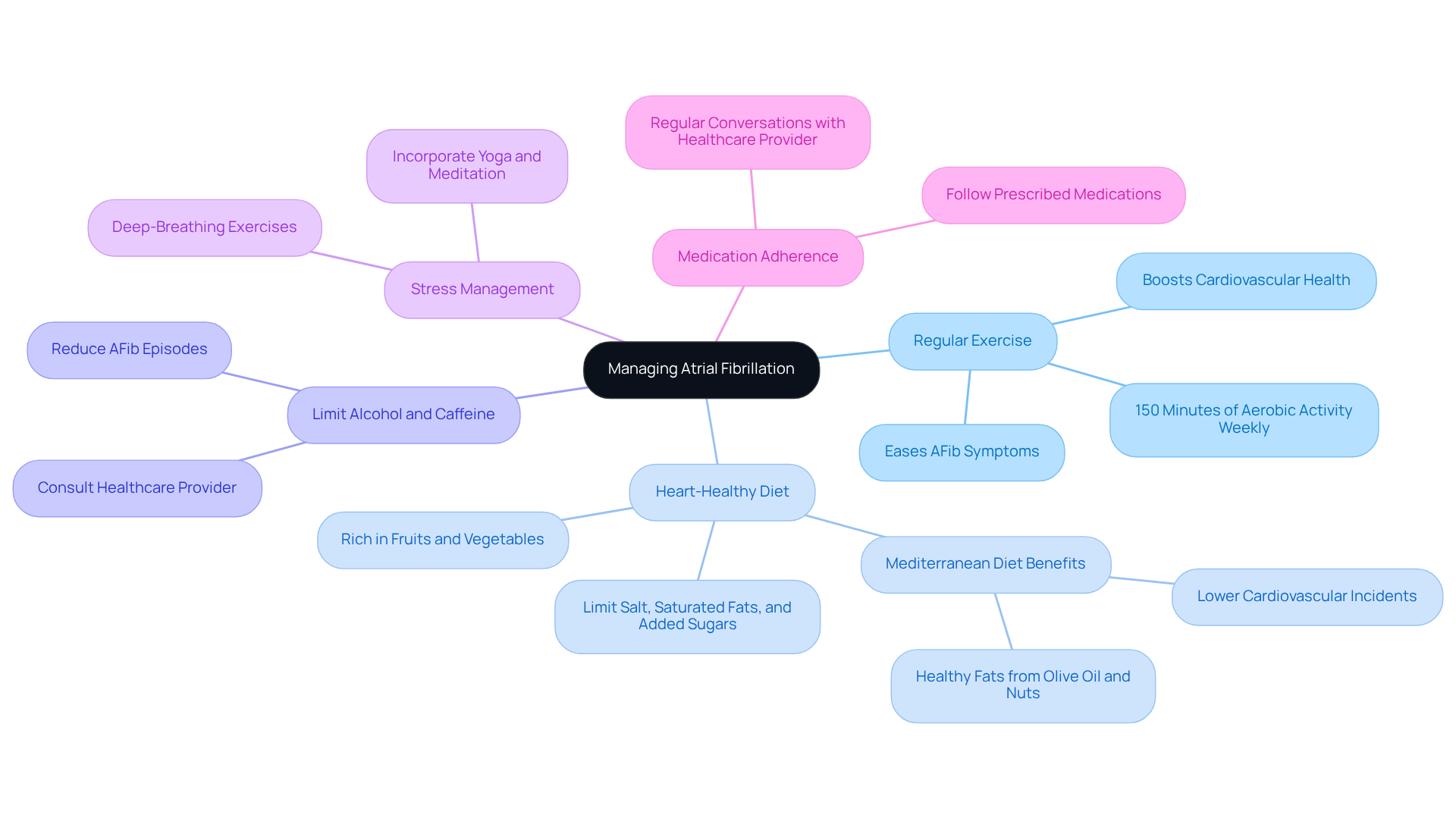
Managing atrial fibrillation can feel overwhelming, but knowing how can afib be reversed through a few lifestyle changes can truly make a difference. Here are some gentle suggestions to help you on this journey:
Regular Exercise: Aim for at least 150 minutes of moderate-intensity aerobic activity each week, like walking or swimming. Regular exercise not only helps you maintain a healthy weight but also significantly boosts your cardiovascular health, easing AFib symptoms. Remember, every little bit counts!
Heart-Healthy Diet: Focus on a diet rich in fruits, vegetables, whole grains, and lean proteins while keeping an eye on salt, saturated fats, and added sugars. The Mediterranean diet is particularly beneficial for seniors, as it’s linked to lower rates of cardiovascular incidents and better recovery for those with heart conditions. This diet encourages healthy fats from sources like olive oil and nuts, which are great for your heart.
Limit Alcohol and Caffeine: Cutting back on these can help reduce the frequency of atrial fibrillation episodes. Research shows that patients who lower their alcohol intake often experience fewer AFib episodes. Dr. Alyson Kelley-Hedgepeth advises, "If you have atrial fibrillation, consider reducing alcohol consumption, or perhaps abstaining completely."
Stress Management: Incorporate calming techniques like yoga, meditation, or deep-breathing exercises to help manage stress, a known trigger for AFib. Regular practice can enhance your emotional well-being and overall heart health.
Medication Adherence: Following your prescribed medications is crucial for controlling heart rate and preventing blood clots. Regular conversations with your healthcare provider are essential to adjust your treatment as needed, ensuring you have the best control over your atrial fibrillation.
Remember, ongoing communication with healthcare professionals is vital for successful long-term management of atrial fibrillation. By embracing these lifestyle adjustments, you can significantly enhance your quality of life and consider whether can afib be reversed. You're not alone in this journey; support is always available.
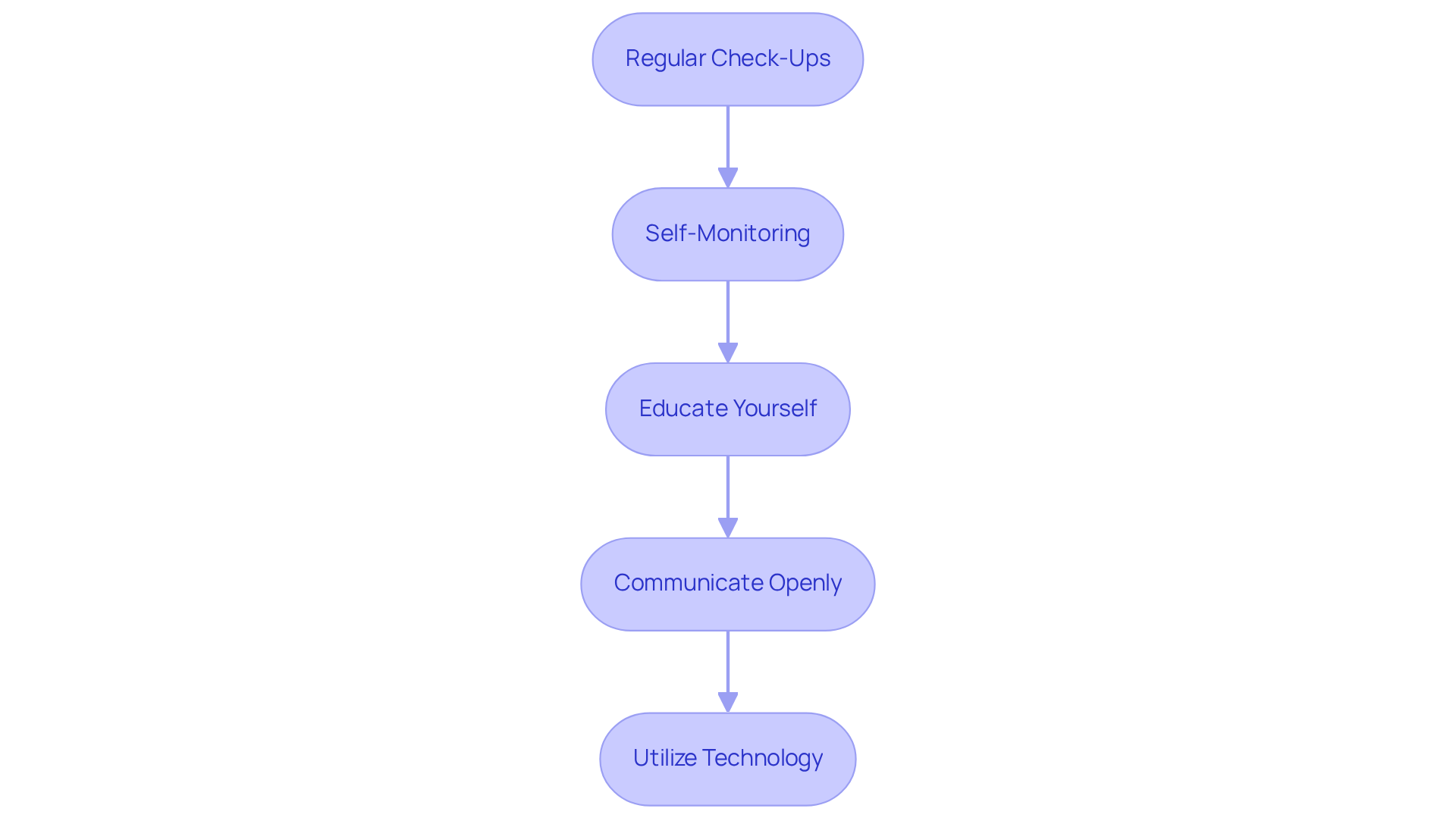
Effectively managing atrial fibrillation (AFib) can feel overwhelming, but you’re not alone. It’s essential to stay engaged with your healthcare team and monitor your condition consistently. Here are some key steps to help you navigate this journey:
Regular Check-Ups: Make it a priority to schedule routine appointments with your cardiologist. These visits are crucial for assessing your cardiovascular health and adjusting your treatment plan as needed. Recent guidelines highlight how these check-ups can lead to early detection and timely intervention, giving you peace of mind.
Self-Monitoring: Keeping track of your symptoms, heart rate, and any potential triggers is vital. This information helps your healthcare provider tailor your treatment effectively. Research shows that seniors who practice self-monitoring often gain a better understanding of atrial fibrillation and how to manage it.
Educate Yourself: Knowledge is empowering. By staying informed about atrial fibrillation and its treatment options, you can make better health decisions and engage more effectively with your care team. Remember, the more you know, the more control you have over your health.
Communicate Openly: Don’t hesitate to share any changes in your symptoms or concerns with your healthcare provider. Open dialogue fosters a collaborative approach to your care, ensuring that your treatment aligns with your evolving needs. Your voice matters in this process.
Utilize Technology: Consider using wearable devices that monitor your heart rhythm and alert you to any irregularities. These tools can facilitate prompt medical intervention, enhancing your ability to manage atrial fibrillation proactively.
Healthcare professionals emphasize that regular monitoring and check-ups are vital for improving outcomes in patients with AFib, especially among the elderly. Engaging in these practices can significantly reduce the risk of complications, including stroke, and enhance your overall quality of life. Remember, you are taking important steps towards better health, and support is always available.
Atrial fibrillation is a serious condition that affects the heart's rhythm and can lead to severe complications if left unmanaged. Understanding its implications is crucial for anyone at risk, particularly the elderly. By recognizing the symptoms and potential dangers associated with AFib, individuals can take meaningful steps toward effective management and care.
Key strategies for managing atrial fibrillation include identifying risk factors such as:
Implementing lifestyle changes like:
can significantly reduce the risk of AFib episodes. Furthermore, maintaining open communication with healthcare providers and utilizing technology for self-monitoring are essential components of effective management.
Ultimately, taking charge of heart health through education, lifestyle modifications, and consistent medical engagement can empower individuals to manage atrial fibrillation effectively. Emphasizing the importance of early detection and proactive care not only enhances quality of life but also reduces the risk of serious complications. By adopting these practices, individuals can strive for better heart health and a more fulfilling life. Remember, you’re not alone in this journey-support is always available.
What is atrial fibrillation?
Atrial fibrillation is an irregular and often rapid pulse rhythm caused by disorganized electrical signals in the heart, leading to ineffective contraction of the atria.
What are the potential complications of atrial fibrillation?
Atrial fibrillation can lead to serious complications such as stroke and heart failure.
What symptoms are associated with atrial fibrillation?
Symptoms of atrial fibrillation may include palpitations, shortness of breath, fatigue, and dizziness.
Why is understanding atrial fibrillation important for the elderly?
The elderly face a higher risk of complications from atrial fibrillation, making it crucial to understand its effects and management.
How does Amavita Heart and Vascular Health support patients with atrial fibrillation?
Amavita Heart and Vascular Health provides comprehensive arrhythmia care, utilizing advanced treatments and AI-powered diagnostic technology for early detection and improved patient outcomes.
What is the benefit of early detection and treatment of atrial fibrillation?
Early detection and treatment can significantly enhance quality of life and reduce the risk of severe outcomes for patients with atrial fibrillation.