


Understanding the complexities of metabolism is vital for seniors, as it plays a significant role in their overall health and vitality. As we age, our metabolic rates often decline, which can lead to challenges like weight gain and lower energy levels. This article explores the potential of pellet therapy, a promising approach aimed at rejuvenating metabolism and enhancing well-being in older adults.
But what steps can seniors take to navigate the pellet therapy consultation process effectively? How can they ensure they receive the maximum benefits from this innovative treatment? These are important questions, and we’re here to help guide you through them with care and understanding.
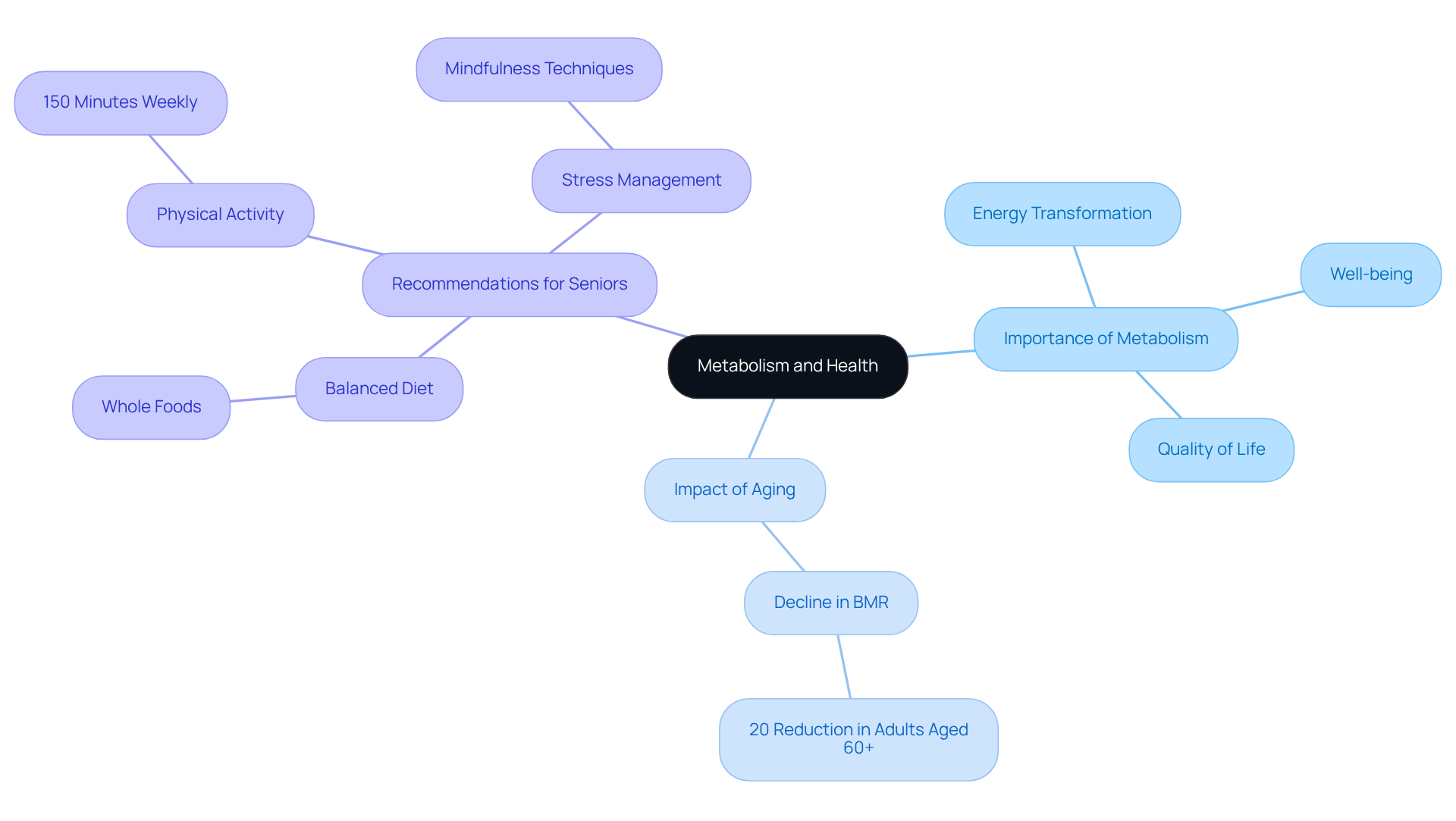
Metabolism is the process that transforms food into energy, playing a vital role in keeping our bodies functioning well. As we age, our metabolic rates often decline, which can lead to weight gain, lower energy levels, and an increased risk of chronic diseases. For seniors, is crucial, as it directly impacts both physical and mental well-being. A healthy metabolism not only boosts energy but also lifts mood and enhances overall quality of life, making it essential for those who wish to stay active. By grasping these metabolic changes, seniors can take proactive steps to manage their health effectively.
Recent studies show that the is about 20% lower than what we might expect based on body and organ composition. This decline can significantly influence well-being, highlighting the need for that include to address these changes. Geriatric specialists recommend:
By understanding how , seniors can navigate their health journeys more confidently and explore .
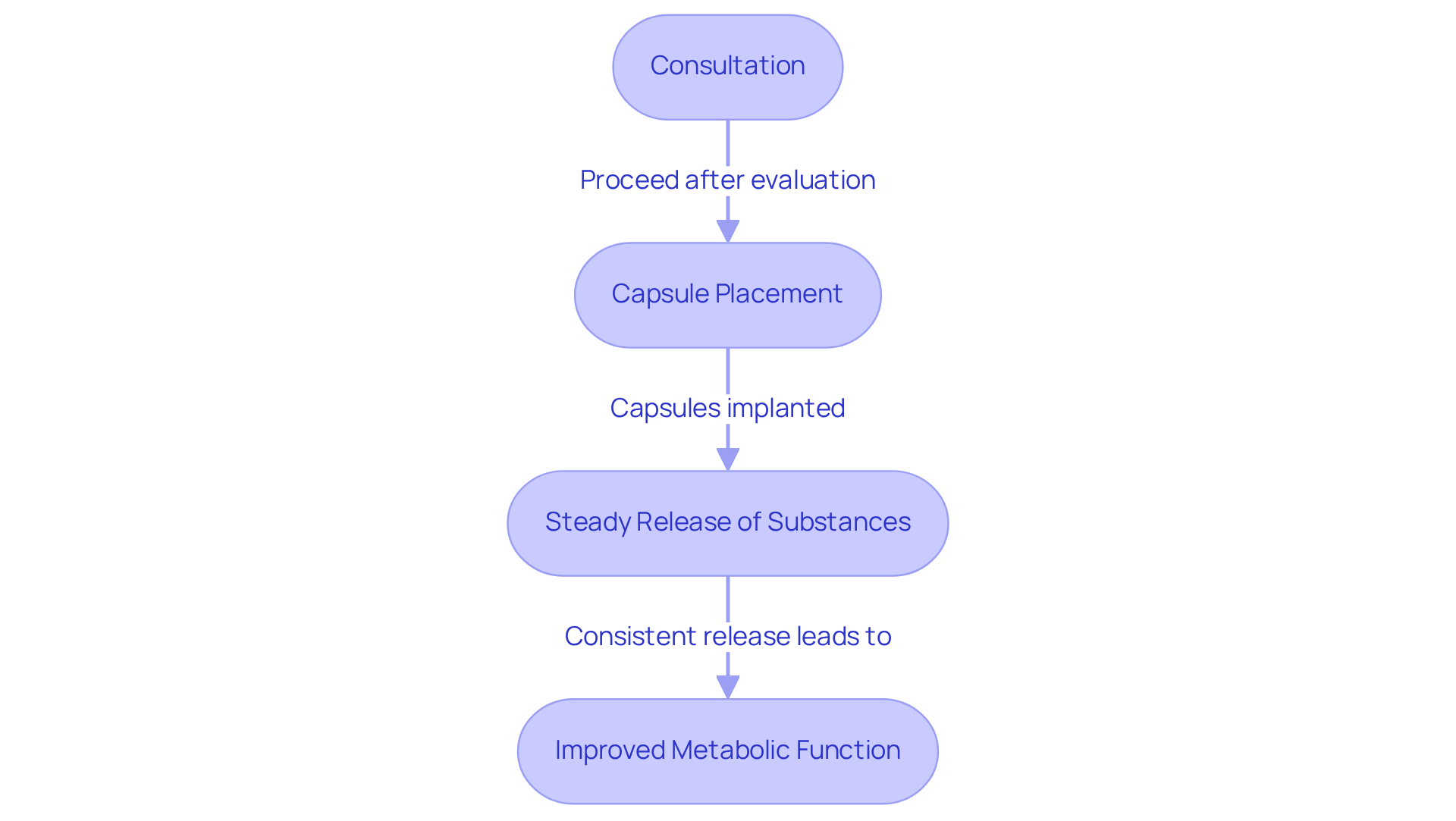
This approach offers a that involves placing small capsules filled with bioidentical substances beneath the skin, typically in the hip or buttock area. These tiny particles are designed to release a consistent amount of substances over time, helping to restore and . For seniors, this treatment addresses common challenges such as low energy, weight gain, and that often accompany aging.
How does this treatment work? It’s quite simple: by providing a steady supply of substances, it enhances , boosts energy levels, and promotes overall well-being. This treatment, which includes , is especially beneficial for elderly individuals who may experience that can slow down metabolism. Research indicates that a can significantly , leading to better and increased vitality. Importantly, this treatment doesn’t require daily applications or weekly injections, making it convenient for those with busy lifestyles.
Many success stories highlight the positive impact of this treatment, with numerous senior patients reporting increased energy levels and improved metabolic rates after receiving care. Endocrinologists recognize the importance of in managing metabolism and highlight that a can help ease both the physical and emotional challenges associated with hormonal discrepancies. Regular follow-up appointments and blood tests are essential to monitor and adjust dosages during hormone treatment, ensuring the best possible outcomes.
In summary, this treatment offers a hopeful option for elderly individuals looking to rejuvenate their metabolism through a and . If you or a loved one are facing these challenges, consider reaching out for support. You deserve to feel your best!
Understanding the complexities of metabolism and its effects on health is vital, especially for seniors. As we age, our metabolic rates tend to decline, making it essential to adopt strategies that help maintain a healthy metabolism. This not only enhances energy levels but also contributes to overall well-being. Pellet therapy stands out as a promising option, offering a personalized approach to address hormonal imbalances and boost metabolic function, ultimately leading to a better quality of life.
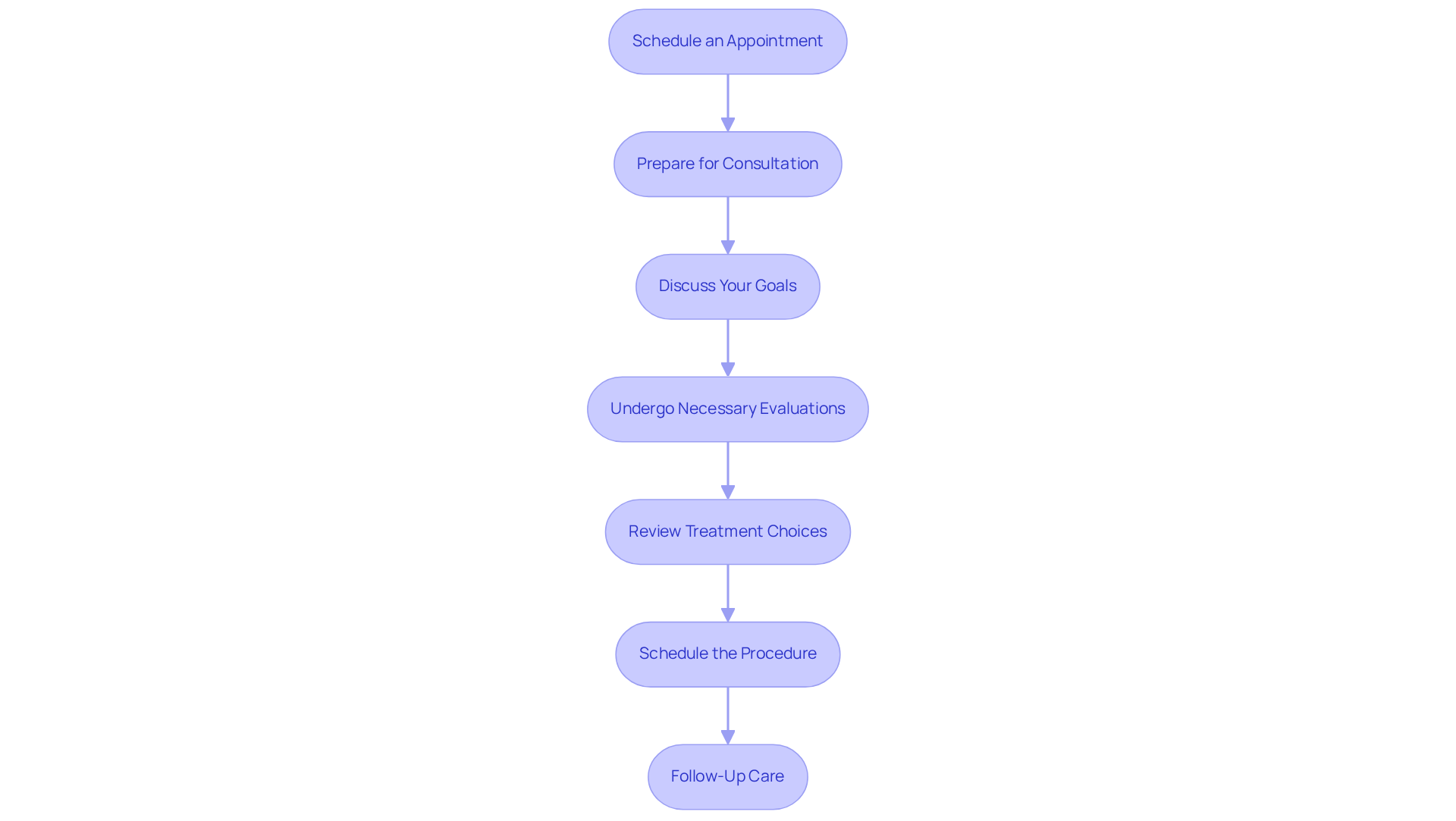
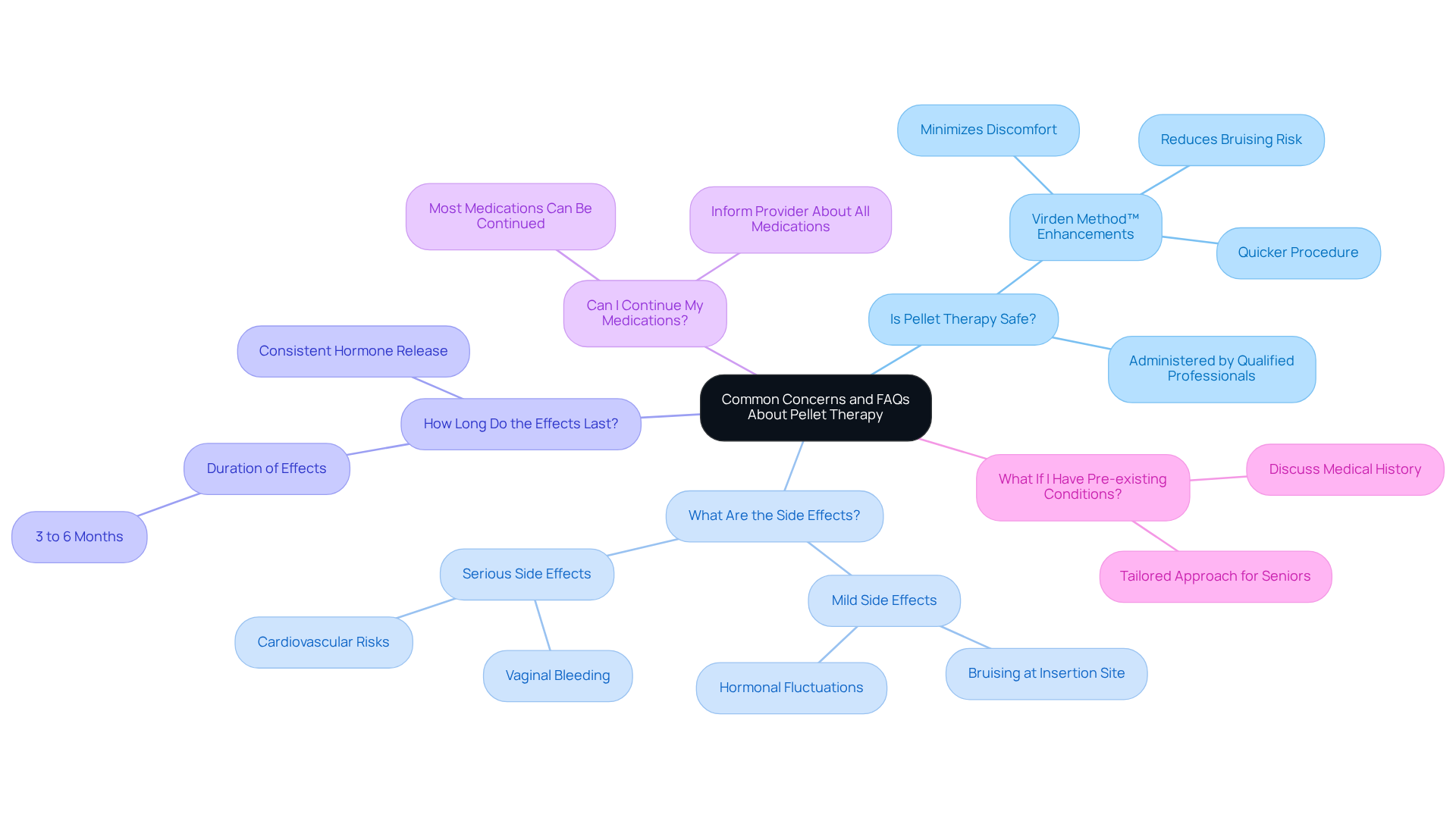
Throughout this article, we’ve shared important insights about the role of metabolism in aging, the mechanics of pellet therapy, and the steps involved in optimizing the consultation process. From scheduling an appointment with a qualified provider to discussing personal goals and undergoing necessary evaluations, each step is crucial in tailoring the treatment to meet individual needs. Additionally, addressing common concerns about safety and side effects reinforces the importance of making informed decisions on the journey toward better health.
Reflecting on these insights, it’s clear that taking proactive steps to understand and enhance metabolic health can lead to significant benefits for seniors. Embracing options like pellet therapy not only promotes physical vitality but also nurtures emotional well-being. If you’re facing challenges related to metabolism and aging, seeking professional guidance and support can pave the way for a healthier, more vibrant life. Remember, you’re not alone in this journey; help is available, and taking that first step can make all the difference.
What is metabolism and why is it important for health?
Metabolism is the process that transforms food into energy, playing a vital role in keeping our bodies functioning well. It is crucial for maintaining physical and mental well-being.
How does aging affect metabolism?
As we age, our metabolic rates often decline, which can lead to weight gain, lower energy levels, and an increased risk of chronic diseases. For adults aged 60 and above, the basal metabolic rate (BMR) is about 20% lower than expected based on body and organ composition.
Why is understanding metabolism important for seniors?
Understanding how metabolism works is crucial for seniors as it directly impacts their physical and mental well-being. A healthy metabolism boosts energy, lifts mood, and enhances overall quality of life.
What are some strategies recommended for optimizing metabolism in older adults?
Key strategies include maintaining a balanced diet rich in whole foods, engaging in at least 150 minutes of physical activity each week, and managing stress.
How can seniors manage changes in their metabolism effectively?
By grasping the metabolic changes associated with aging, seniors can take proactive steps to manage their health, such as exploring personalized wellness programs, including consultations for metabolism-boosting therapies.