


Understanding the intricacies of cardioversion is essential for elderly patients navigating the complexities of heart health. This medical procedure plays a pivotal role in restoring normal heart rhythms, especially for those suffering from arrhythmias like atrial fibrillation.
By delving into the nuances of cardioversion, you will uncover not only the benefits and types of the procedure but also the necessary preparations and aftercare that can significantly enhance your recovery.
How can you ensure that you are fully informed and ready to embrace this life-changing intervention while minimizing potential risks?
Remember, you are not alone in this journey, and support is available every step of the way.
Cardioversion is a compassionate medical intervention aimed at restoring a normal rhythm for individuals experiencing , especially atrial fibrillation (AFib). Imagine regaining a steady heartbeat and alleviating distressing symptoms like palpitations, shortness of breath, and fatigue. For older individuals, who often face a heightened risk for rhythm disorders, is vital. Cardioversion can significantly improve by lowering the risks associated with prolonged , including stroke and cardiac failure. While AFib itself may not be life-threatening, cardiologists emphasize that cardioversion is crucial as untreated AFib can lead to .
The procedure is considered safe and effective, thoughtfully tailored to meet the unique health needs of older adults. Many have experienced and daily functioning following the procedure, underscoring its importance in addressing arrhythmias and promoting within this community. In addition to this, involving individuals and their caregivers in is crucial. This approach ensures that with personal preferences, making cardioversion a suitable option for enhancing the in older adults. By taking these steps together, we can foster a supportive environment that prioritizes your health and well-being.

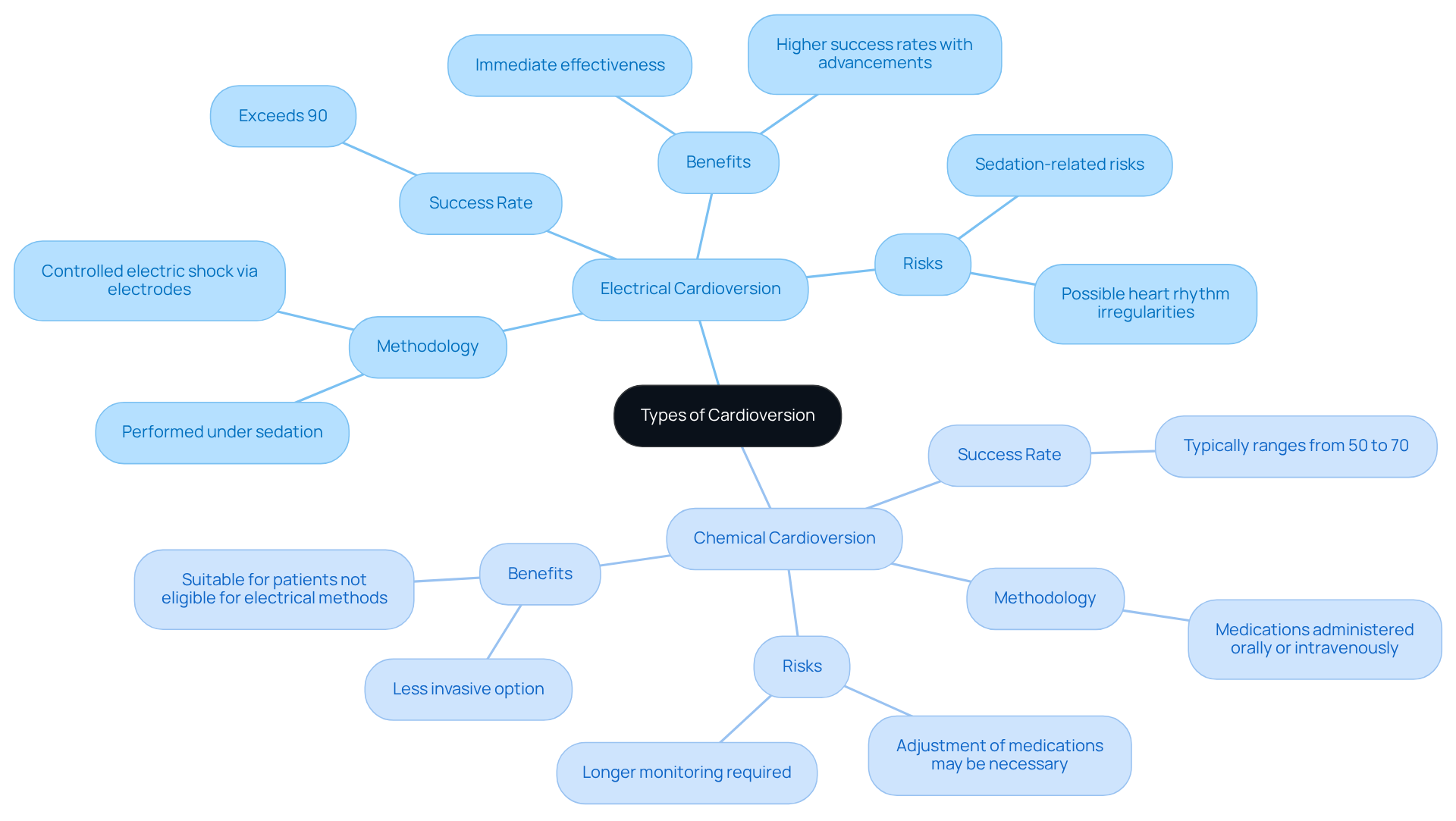
is categorized into two main types: electrical and chemical, each featuring distinct methodologies and applications that cater to individual needs.
Electrical : This technique involves delivering a controlled electric shock to the heart via electrodes placed on the chest. Cardioversion is typically performed in a hospital setting under sedation, ensuring comfort for individuals while offering immediate effectiveness, especially in severe arrhythmias. Recent advancements, including , have improved the precision and safety of this procedure, leading to higher success rates. Research shows that the exceeds 90% in restoring normal rhythm, making it a favored option for many. At , our specialists utilize to ensure that each individual receives the most appropriate treatment tailored to their specific needs, often allowing for same-day discharge.
: This method utilizes medications to restore normal heart rhythm, administered either orally or intravenously. While it may take longer to achieve the desired effect compared to electrical methods, cardioversion is often considered a suitable option for individuals who may not be appropriate candidates for electrical procedures due to other health issues. The efficacy of chemical intervention varies, with success rates typically ranging from 50% to 70%, depending on the specific medication utilized and the individual's condition. Our comprehensive at Amavita includes continuous monitoring technology to identify the specific type of arrhythmia, ensuring that patients receive the most effective treatment.
Both methods of cardioversion have their benefits and risks. Cardioversion is usually more prompt than electrical shock therapy but involves risks related to sedation and possible heart rhythm irregularities. In contrast, is a less invasive option but may necessitate longer monitoring and adjustment of medications.
Experts emphasize the importance of . As Dr. Yiannis Chatzizisis notes, "Our team takes a — treating not just the arrhythmia but the entire individual, focusing on risk factor modification alongside world-class procedural techniques." This perspective underscores the need for elderly patients to with their healthcare providers to determine the most suitable approach for their individual health needs. We are here to support you every step of the way.
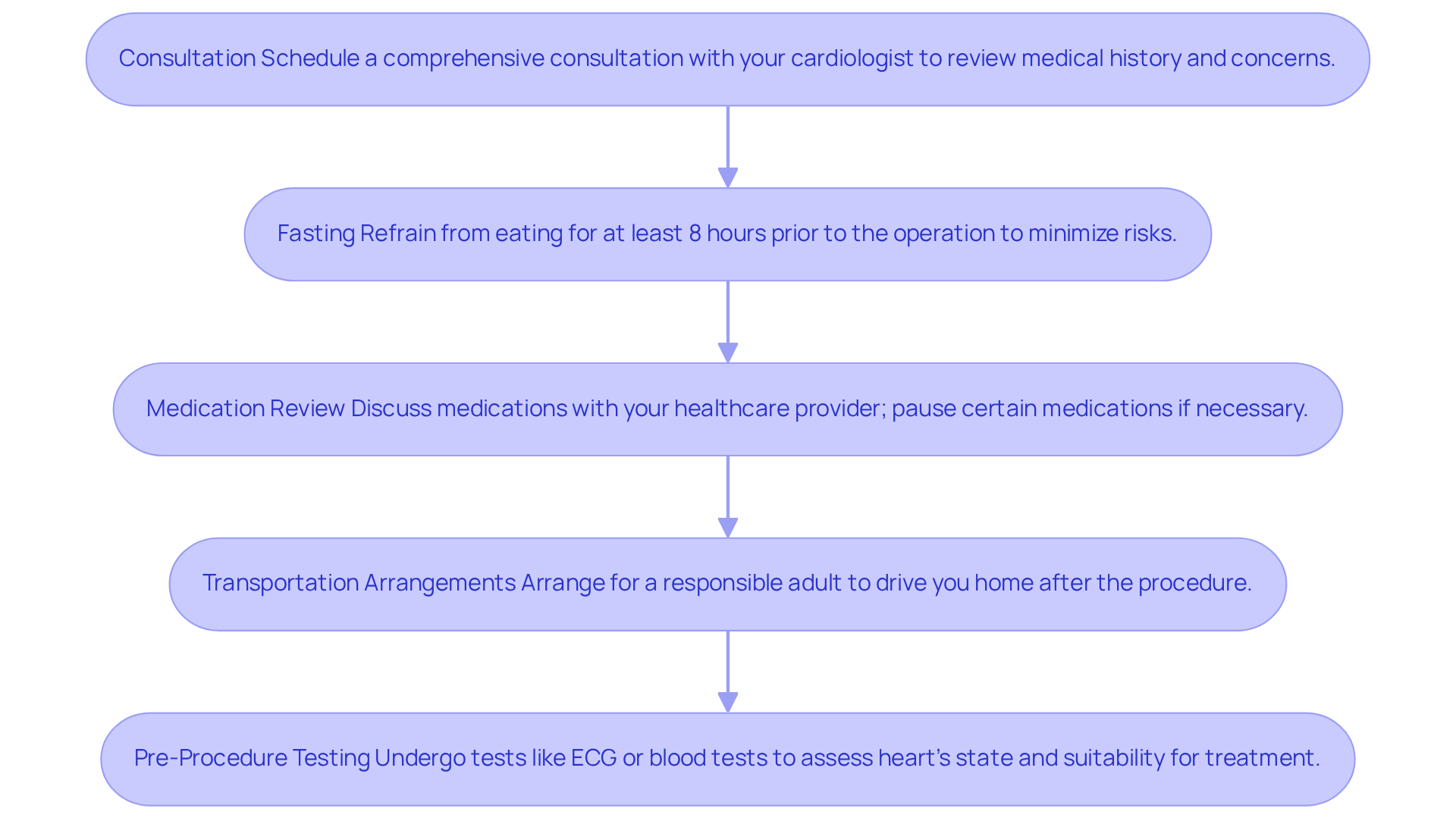
Preparing for cardioversion involves several essential steps that can significantly impact the procedure's success:
By following these steps, you can improve your experience with cardioversion for restoring heart rhythm, ensuring that you are well-prepared and informed for the process. You will also benefit from the available at Amavita Heart and Vascular Health, where we are dedicated to supporting your health and well-being.
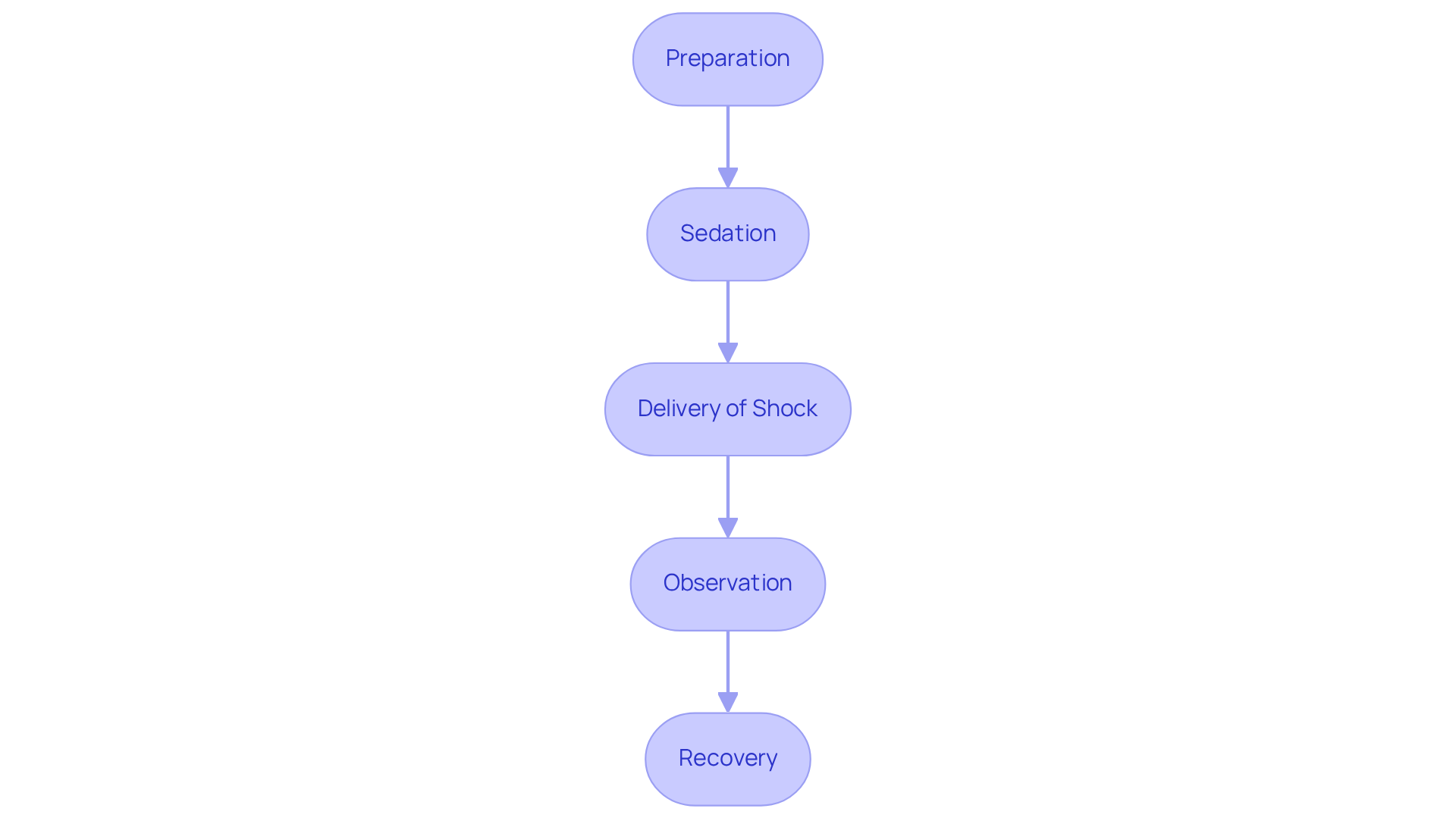
The involves several key steps designed to ensure your safety and comfort:
can help ease any anxieties and for what to expect during the procedure, ensuring a smoother experience overall. We are here to support you every step of the way.
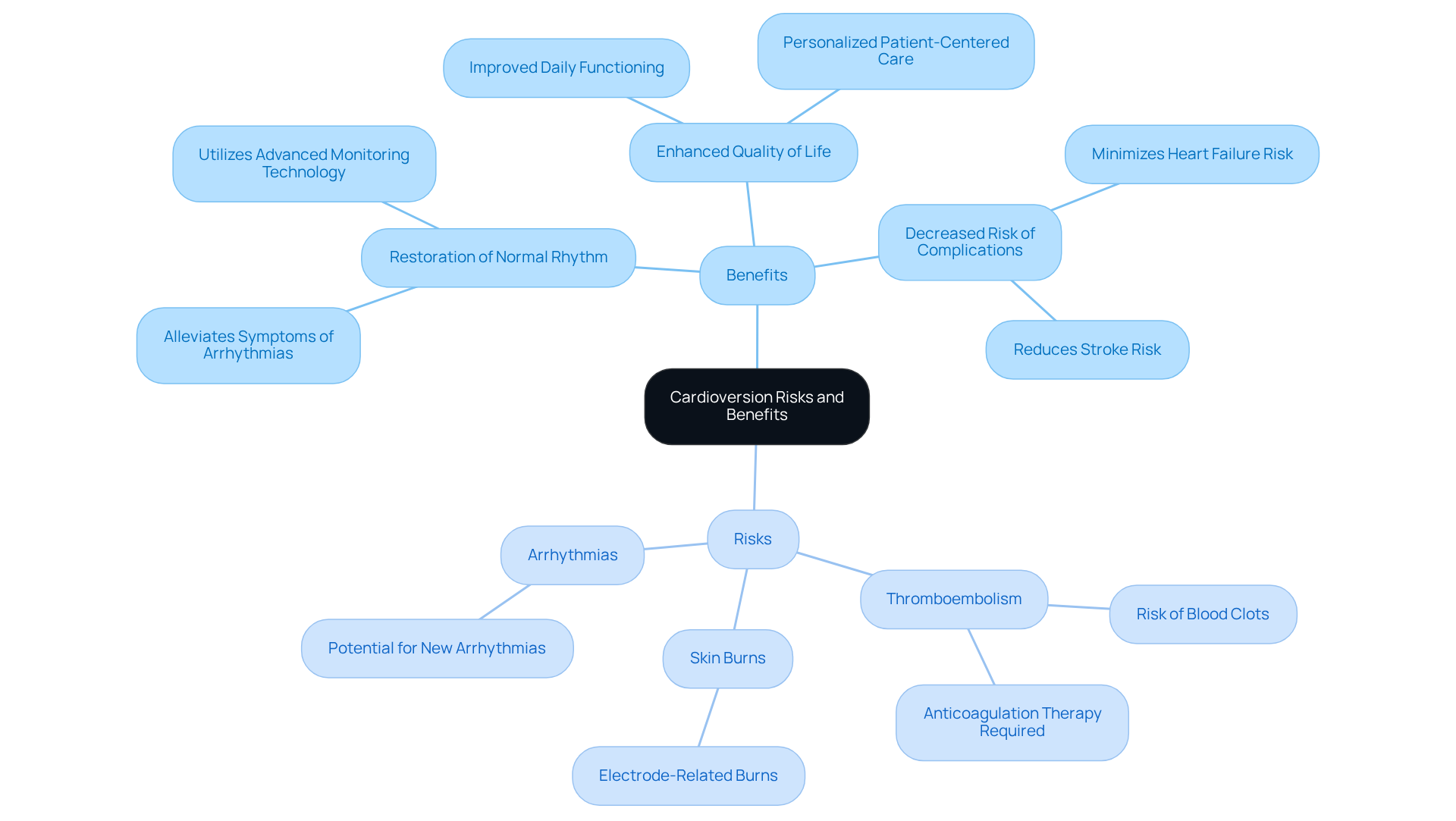
When considering cardioversion, it's essential to thoughtfully evaluate both the risks and benefits involved:
Benefits:
Risks:
Understanding these risks and benefits empowers older individuals to make for their heart health. With the and innovative treatments offered at Amavita, you can feel reassured that your health is in compassionate hands.
After undergoing cardioversion, it’s important for patients to follow these to ensure a :
By diligently following these aftercare instructions, elderly patients can enhance their recovery process and maintain optimal heart health following cardioversion.
Cardioversion stands out as a crucial procedure for elderly patients facing arrhythmias, particularly atrial fibrillation. By restoring normal heart rhythms, it alleviates distressing symptoms and significantly enhances overall quality of life. Understanding the nuances of cardioversion—its types, preparation, procedure, and recovery—empowers both patients and caregivers to make informed decisions that resonate with their health needs.
Throughout this guide, we have shared key insights that underline the importance of personalized treatment plans. We have distinguished between electrical and chemical cardioversion, and outlined the essential steps for preparation and aftercare. Emphasizing a collaborative approach between patients and healthcare providers ensures that individual preferences and medical histories are respected, ultimately leading to improved outcomes.
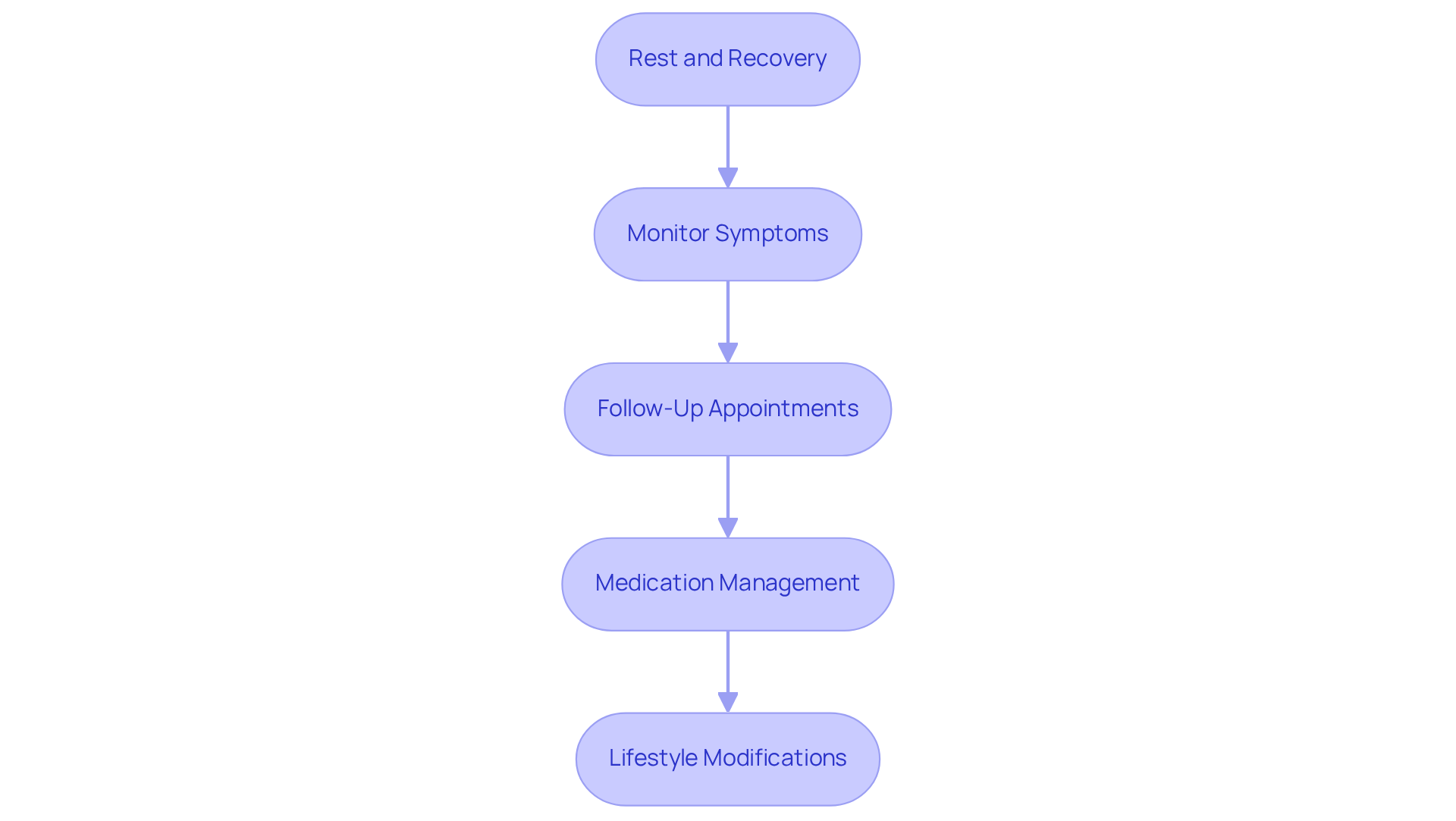
As you navigate your journey through cardioversion, it is vital to remain proactive about your heart health. Embracing lifestyle modifications, adhering to medication regimens, and attending follow-up appointments can further enhance recovery and reduce the risk of recurrence. By prioritizing cardiovascular wellness, elderly patients can reclaim a sense of vitality and well-being, reinforcing the significance of cardioversion in their overall health journey.
What is cardioversion and its purpose?
Cardioversion is a medical intervention aimed at restoring a normal heart rhythm for individuals experiencing arrhythmias, particularly atrial fibrillation (AFib). It helps alleviate distressing symptoms like palpitations, shortness of breath, and fatigue, significantly improving the quality of life and reducing risks associated with prolonged arrhythmias, such as stroke and cardiac failure.
Why is cardioversion important for older adults?
Older individuals are at a higher risk for rhythm disorders, making it vital for them to understand cardioversion. The procedure can improve their well-being and daily functioning, addressing arrhythmias and promoting cardiovascular health. Involving patients and caregivers in decision-making enhances the suitability of the treatment for individual preferences.
What are the two main types of cardioversion?
The two main types of cardioversion are electrical and chemical. Electrical cardioversion involves delivering a controlled electric shock to the heart, while chemical cardioversion uses medications to restore normal heart rhythm.
How does electrical cardioversion work?
Electrical cardioversion is performed in a hospital setting under sedation. Electrodes are placed on the chest to deliver an electric shock to the heart, which is effective in restoring normal rhythm, especially in severe arrhythmias. The success rate is over 90%, and advancements in technology have improved its precision and safety.
What is chemical cardioversion and when is it used?
Chemical cardioversion uses medications administered either orally or intravenously to restore normal heart rhythm. It may take longer to achieve results compared to electrical cardioversion and is often suitable for individuals who may not be candidates for electrical procedures due to other health issues. Success rates typically range from 50% to 70%.
What are the benefits and risks of each cardioversion method?
Electrical cardioversion is usually more prompt but involves risks related to sedation and potential heart rhythm irregularities. Chemical cardioversion is less invasive but may require longer monitoring and adjustment of medications. Both methods necessitate personalized treatment plans tailored to individual health needs.
How should patients approach the decision-making process for cardioversion?
Patients, especially elderly ones, should discuss their options thoroughly with healthcare providers to determine the most suitable approach for their health needs. A holistic approach that focuses on treating the individual and modifying risk factors is emphasized by experts in the field.